
Peru Endemic Bird Photography Tour: Marañón Valley and Cloud Forest
Overview
This 14-day birding circuit through northwestern Peru is built around light, habitat and the region's endemic specialities, moving at an easy pace from the arid Tumbesian dry forests of Reserva Chaparrí to the cloud forests of Abra Patricia and the deep Marañon Canyon.
White-winged Guan and Spectacled Bear country at Chaparrí gives way to the Marvelous Spatuletail feeders at Huembo and the Long-whiskered Owlet trail near El Progreso. Crossing Abra Barro Negro, the route drops to Balsas for the tiny endemic Yellow-faced Parrotlet before climbing to the high-country endemics above Cajamarca.
Photographic opportunities
Light here is the working material: dry-forest dawn at Reserva Chaparrí, where White-winged Guan and the lodge feeders offer close work with hummingbirds and the endemic Tumbesian set; midday shade for Ochre-bellied Dove in the higher humid forest. The Casupe-Tocmoche road and Pómac's Acacia scrub reward patient fieldcraft, while Abra Porculla and El Puente bring cloud-forest fog and gully work for Piura Chat-Tyrant and White-winged Brushfinch.
At Huembo, feeders give sustained frames of Marvelous Spatuletail; the El Progreso trail is a night session for Long-whiskered Owlet. Abra Patricia and Owlet Lodge supply mixed tanager flocks, antpittas and hummingbird feeders; Arena Blanca's blind and trails add tinamous, wood-quail and Cock-of-the-rock. The Marañón descent, the Balsas orchard and the Cajamarca gravel roads close the circuit with parrotlets, comets and high-country endemics.
Who this journey is for
This itinerary will appeal to birders who want to work seriously through northern Peru's endemic specialities over 14 days at an easy pace. Days combine road transfers with birding stops, early starts, night searches for owls and nightjars, and time on foot along forest trails and a steep path into an orchard. The route reaches Abra Barro Negro at 3670 m and descends to Balsas at 850 m, so participants should be comfortable with long drives on winding mountain roads and changes in altitude. Small-group, species-led travel suits those who value time at feeders and stakeouts over general sightseeing.
Inspiration
Expedition highlights


Itinerary
Day 1
Arrival in Lima and Airport Hotel Stay
Arriving at Lima International Airport, you transfer to a hotel close by for the night, setting up an early-morning departure north. No city birding is scheduled on this first day, so the focus stays on a smooth arrival and rest. You stay at a Lima airport hotel, with the specific property still to be determined. This opening day keeps things simple before the journey continues.
Day 2
Reserva Chaparrí: Tumbesian Dry Forest Birding
A morning flight lifts north along the arid coast to Chiclayo, then a road transfer runs east toward Reserva Chaparrí, a private reserve founded to protect the endangered White-winged Guan, with birding stops along the way. The dry scrub and semi-deciduous forest hold Tumbesian endemics such as Collared Antshrike and Tumbes Chat-Tyrant. Around Chaparri Ecolodge, gardens, a pond and hummingbird feeders draw Elegant Crescentchest, Necklaced Spinetail and the dry-forest hummingbird set, among them Peruvian Sheartail and Short-tailed Woodstar. As light fades, an evening owling session may find Peruvian Screech-Owl or Striped Owl.


Day 3
Birding Chaparrí Lodge and Reserve
Dry scrub and semi-deciduous woodland define the Reserva Chaparrí, worked through the day for the endangered White-winged Guan and around 39 resident Tumbesian-limited species. Collared Antshrike, Tumbes Chat-Tyrant and Baird's Flycatcher move through the scrub, while the lodge gardens and pond draw Elegant Crescentchest, Necklaced Spinetail and White-edged Oriole. Hummingbird feeders near the lodge give close views of the arid-zone set: Long-billed Starthroat, Peruvian Sheartail, Short-tailed Woodstar and Tumbes Hummingbird. Higher humid forest holds Ochre-bellied Dove, and the reserve is also known for Spectacled Bear.

Day 4
Casupe-Tocmoche Cloud Forest and Bosque de Pómac
Higher-elevation cloud forest along the Casupe-Tocmoche Road, roughly an hour from Chaparrí, offers a relatively unexplored birding site where Ecuadorian Trogon, Guayaquil Woodpecker and Piura Chat-Tyrant are among the possibilities. The route then continues through Chiclayo to the Santuario Histórico Bosque de Pómac, an hour north, where archaeological ruins sit within dry forest and scrub. The endemic Peruvian Plantcutter is the primary target here, usually found in roadside scrub, with Rufous Flycatcher and the rare Tumbes Swallow over the Acacia forest.
Day 5
Abra Porculla Cloud Forest and Jaén Foothills
A two-hour climb into the highlands reaches Abra Porculla pass by around 7:30, where fog is always possible. Birding at the El Puente area and a short trail off the main road focuses on the shy Piura Chat-Tyrant in shrub-filled gullies, along with the endemic White-winged Brushfinch. Gray-chinned Hermit, Peruvian Sheartail and Golden-olive Woodpecker are among other possibilities. After lunch the drive continues east toward Jaén, arriving late afternoon for the arid foothills above town, where Marañon Crescentchest, Rufous-fronted Thornbird and Little Inca-Finch inhabit the scrub. Early-evening birding could yield Scrub Nightjar.
Day 6
Xeric Habitat Outside Jaén and Huembo Hummingbird Feeders
Xeric scrub outside Jaén is the day's first stop, a dry landscape known for the scarce Little Inca-Finch, with Marañon Antshrike, Marañon Spinetail and Chinchipe Spinetail also possible. Scarlet-fronted Parakeet and Buff-bellied Tanager move through the same habitat. After the morning drive toward the Abra Patricia area, an afternoon at the Huembo feeders brings the Marvelous Spatuletail alongside Sparkling Violetear, Chestnut-breasted Coronet and Little Woodstar. A night session on the forested trail outside El Progreso targets the rarely seen Long-whiskered Owlet, with Johnson's Tody-Flycatcher at the same site.

Day 7
Birding Abra Patricia Reserve and Owlet Lodge
Cloud-forest roadsides at Abra Patricia Reserve draw mixed-species flocks, with Vermilion and Saffron-crowned Tanager moving through the mossy trees alongside mountain tanagers and Masked Flowerpiercer. The reserve's humid forest is known for these foraging parties, and Royal Sunangel appears at a nearby site. A transfer from El Progreso follows lunch in town, reaching Owlet Lodge for the afternoon. There, the lodge grounds and hummingbird feeders host Green-fronted Lancebill, Sword-billed Hummingbird and Chestnut-breasted Coronet, giving close views of birds that rarely sit still elsewhere.


Day 8
Cloud Forest Birding on the Owlet Lodge Trails
Cloud-forest trails wind through the mossy, epiphyte-laden trees around Owlet Lodge, and a full day is spent walking them in search of undergrowth specialists. The area is known for its antpittas, among them Ochre-fronted, Rusty-tinged, Chestnut and the recently split Rufous-breasted, along with tapaculos, trogons, quetzals and manakins. Higher up, mixed flocks may hold Metallic-green, Orange-eared and Golden Tanagers, while hummingbirds such as Sword-billed and Bronzy Inca work the flowering edges. An early breakfast precedes the trails, and the day continues through lunch and dinner back at the lodge.
Day 9
Abra Patricia Cloud Forest to Arena Blanca Reserve
Cloud-forest roadsides around Owlet Lodge and Abra Patricia get a second pass, working the mixed tanager and hemispingus flocks and the range-restricted Royal Sunangel. After lunch, a two-hour drive descends to Reserva Ecológica Arena Blanca, where the afternoon turns to hummingbird and fruit feeders and forest trails. Feeders draw Green-fronted Lancebill, Sparkling Violetear, Wire-crested Thorntail and sapphires, while trails offer Peruvian Warbling-Antbird, Fiery-capped Manakin and Andean Cock-of-the-rock. The reserve's foothill forest marks the shift from highland to Amazonian birding.
Day 10
Arena Blanca Hide and the Cocahuayco Canyon to Cocachimba
A very early hide session at Reserva Ecológica Arena Blanca is spent waiting quietly for secretive forest-floor birds such as Cinereous Tinamou, Little Tinamou and Rufous-breasted Wood-Quail, before the gardens draw White-tipped Sicklebill and Great-billed Hermit to the flowers. The route then retraces west and turns south through the steep-walled Cocahuayco River canyon, a drive of four to five hours with birding stops. Canyon targets include the endemic Coppery Metaltail, Speckle-chested Piculet and Chachapoyas Antpitta, with hopes for the scarce Peruvian Pigeon. Feeders near Cocachimba offer another chance for Marvelous Spatuletail.
Day 11
Cochuayco Canyon to Leymebamba
A southward drive through the Cochuayco River canyon to its junction with the Utcubamba, then climbing toward the higher town of Leymebamba, where the road edges and scrub hold Peruvian Pigeon and Marañon Crescentchest, with Black-necked Woodpecker and Marañon Thrush among the endemic possibilities. After lunch, birding continues on the road above town, looking for Chachapoyas Antpitta, Russet-mantled Softtail and Yellow-scarfed Tanager. As dusk settles, the attention turns to night birds, trying for Blackish Nightjar and Koepcke's Screech-Owl.
Day 12
Abra Barro Negro, Marañon Canyon and Celendín
Leaving Leymebamba after breakfast, the day climbs toward Abra Barro Negro, a high pass at 3670 m, where Chachapoyas Antpitta, Neblina Tapaculo, Utcubamba Tapaculo, Russet-mantled Softtail and Gray-browed Brushfinch may be looked for amid sweeping views. The road then drops down the Marañon Canyon to Balsas at 850 m, with Gray-winged Inca-Finch and Buff-bridled Inca-Finch sought above town. Beyond the Marañon River, a private orchard above Balsas offers the best chance for Yellow-faced Parrotlet. The transfer continues up switchbacks to Celendín, with lunch, dinner and a hotel in Celendín.
Day 13
Birding Around Celendín and the Road to Cajamarca
Open country around Celendín, where scattered scrub and hedgerows hold a strangely disjunct population of Rufous-fronted Thornbird and the near-endemic Fulvous-faced Scrub-Tyrant, gives the morning its focus. The group works these local sites on foot before turning toward Cajamarca, breaking the drive for en-route birding stops. Those stops target Cajamarca Antpitta and Plain-tailed Warbling Finch, with the more difficult Rufous-breasted Warbling Finch also possible. The route crosses Andean farmland and dry slopes, and the day ends in Cajamarca, where the group stays overnight.
Day 14
Gravel Roads Above Cajamarca
Scrub habitat on a back gravel road high above Cajamarca holds the endemic Rusty-crowned Tit-Spinetail, while purple flowering plants along the river give the best chance of the prized Gray-bellied Comet, with Black Metaltail and Black-crested Tit-Tyrant also possible nearby. The endemic Striated Earthcreeper is far harder, rarely responding to playback or emerging from dense undergrowth. After lunch, a different gravel mountain road is worked for Great Spinetail and Buff-bridled Inca-Finch, before the drive down to the airport for an early evening flight to Lima, timed to connect with international flights home.
Accommodation
Where you’ll stay


Price details
Price per person
2 people
Per person
3 to 4 people
Per person
5 to 6 people
Per person
7 to 8 people
Per person
9 to 10 people
Per person
11+ people
Per person
Prices are per person and based on twin share, unless stated otherwise.
Additional costs
Deposit
30% deposit (2,129 USD approx.)
What is included
Included
- Accommodation throughout the journey
- Meals indicated in the programme
- Transportation during the itinerary
- Pre-trip planning assistance
Not included
- Lunch on arrival day
- Tips
- International flights
- Travel, Medical & Cancellation insurance
- Additional drinks and meals
- Expenses not specified in the programme
- Camera equipment
From past travellers
A few kind words
Voyage Patagonie Mars 2025
We spent three wonderful weeks in Patagonia with Tristan. An unforgettable trip for the three of us, in a warm and relaxed atmosphere that Tristan carefully crafted down to the finest details. He organized an itinerary perfectly tailored to our requests. Always smiling, incredibly kind, and very patient. He made us experience this exceptional journey with unique moments that went beyond our expectations. Tristan is an excellent guide. He plans his trips with great professionalism on all levels, yet manages to make you forget it by sharing the experience with you, marveling at the landscapes like a friend showing you around the country… A big thank you to you. Lots of love!
Excellent Travel & Photography Guide
Tristan created a wonderful cultural experience for us over a 10 day visit to Cuba. From a photography perspective, he had researched people and locations to insure the best model, in the most cuban environment in the best light. Although we were focused on photography, he rounded out the tour with opportunities to experience the history (visit to old sugar plantation), the land (visit to a farm with oxen and a hike to waterfall), and the food (experiencing local food and drink in beautiful settings). I would highly recommend Tristan as a guide. We are already planning our next trip with him.
Beautiful discovery of southern Colombia
Wonderful discovery of southern Colombia. Excellent organization, and Tristan is an outstanding guide who shares his love for the country.
Why travel with us?
Expert, trusted guides
We work with carefully selected local guides chosen for their experience, knowledge of wildlife, and ability to find unique encounters ethically and safely.
Carefully selected accommodations
We choose each accommodation to find the perfect balance between comfort, location, and access to wildlife, so you can make the most of every moment of your journey.
Schedules designed for the best light
We organize activities and outings at key times of day to take advantage of the best light conditions and increase opportunities for wildlife viewing and photography.
You’ll come home with incredible photographs
We design each expedition to maximize opportunities for observation and help you enjoy unique encounters and capture the best photographs possible in the wild.
About your guide
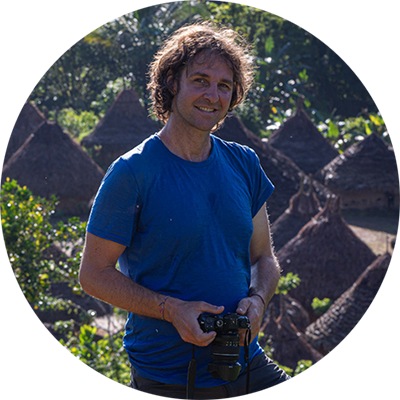
Tristan Quevilly
At the helm of Remote Expeditions, Tristan adeptly combines exploration, photography, tour design, web development, and tour leadership, encapsulating the essence of a versatile travel entrepreneur. His mission is to offer a limited number of high-quality tours each year, ensuring an unparalleled travel experience steering clear of mass tourism. He aims to guide you towards the true essence of each destination, facilitating a deep connection with both nature and yourself.
Frequently Asked Questions
To confirm your spot we request a first payment of 50% of the total trip price. The remaining 50% can be paid up to 3 months before the departure date.
We accept payments in euros and US dollars via bank transfer. Once your booking is made, we will send you all the information and details needed to make the payment.
No, anyone who loves nature is welcome. We always recommend bringing binoculars to enjoy a closer view, and if you have a camera you'll surely capture excellent images too.
You can find all the details about cancellations, refunds and booking conditions on our page: Terms and Conditions.
No. Our trips are designed both for people with experience in photography and wildlife watching and for travelers who simply enjoy nature and want to live a different experience.
The most important thing is to have interest, curiosity and a desire to enjoy the environment and the animals.
Yes. If you wish to arrive earlier or extend your stay, we can arrange additional nights of accommodation, activities and transfers. Just let us know your plans and we'll adjust the itinerary to your preferences.
Yes, of course. Many of our travelers join the expeditions on their own. Our groups usually bring together people with similar interests in wildlife, photography and nature, so the atmosphere tends to be very friendly and it's easy to connect with other travelers.
Start a conversation
Ask about this tour
Tell me what you would like to photograph, your preferred dates, and any questions about the journey.
- Flexible dates and custom itineraries available
- Response within 24 hours guaranteed
- No payment required to customize an itinerary


