
Manu Biosphere Reserve Photography Tour, Peru Andes to Amazon
Overview
This is a full descent of the Manu corridor, from the high Andes above Cusco to the lowland Amazon, built around long stays at each elevation rather than a hurried transit. Days at Wayqecha and Cock-of-the-Rock work cloud forest flocks, quetzals, fruiteaters and the Cock-of-the-Rock lek, with night birding for Lyre-tailed Nightjar and Andean Potoo.
Lower down, Amazonia Lodge, Bonanza and Manu Wildlife Center add canopy towers, bamboo, oxbow lakes, the Blanquillo macaw clay lick and tapir licks, with the chance of Giant Otter and monkeys.
Photographic opportunities
This journey is built around changing light and altitude: from the high wetlands at Huacarpay to the inter-montane valleys below Cusco, then down the eastern slope through cloud forest, foothill forest and finally lowland Amazon. Expect long, patient sessions at leks and licks, where the photography is about waiting, reading behaviour and working in low light. At the Cock-of-the-Rock lek, early respectful observation rewards quiet, steady framing. Around Wayquecha and the cloud forest road, mixed-species flocks and hummingbird feeders offer close, fast-moving subjects, while canopy towers at Amazonia Lodge, Bonanza and Manu Wildlife Center open up flocks, tanagers, dacnis and honeycreepers at eye level. Night birding at several lodges adds potoos, owls and nightjars for those comfortable with flash and focus in darkness. River journeys and trail systems through bamboo, varzea and terra firme forest provide varied field situations, from soft forest understory to open clay banks and oxbow lakes.
Who this journey is for
This itinerary will appeal to birders who want to work the full Manu corridor from the high Andes to the Amazon lowlands, with full days at each key site from Wayquecha to Bonanza and Manu Wildlife Center. The pace is an easy one, built around early starts for leks, clay licks and canopy towers, then patient roadside and trail birding downslope. Days at altitude give way to humid forest and floodplain, so expect long, rewarding sessions in the field rather than a rushed checklist. If you value quiet stakeouts, mixed flocks and a site list measured in hundreds of species, this journey is aimed at you.
Inspiration
Expedition highlights


The journey at a glance
Following the route
The journey moves gradually through 6 distinct overnight bases.
Route shown schematically for orientation.
Itinerary
Day 1
Lima Arrival and Miraflores Transfer
Arrive in Lima and take a private transfer from Lima Airport to a hotel in the Miraflores waterfront neighbourhood. The drive follows the coastal road between the airport and the district, offering a first glimpse of the city. Settle in at the Lima Airport Hotel (TBD) in Miraflores, a convenient base near the waterfront to rest after the journey before continuing onward.
Day 2
Cusco and Huarcapay Lakes
A flight from Lima brings you to Cusco, the old Inca capital, where an overnight hotel serves as the base before the early drive south. The route then heads to Huacarpay Lake, birding its highland wetlands with attention to water, reedbed and open-shore habitats. Lunch is included in the package. The return drive to Cusco follows a different route through the high Andes, adding variety to the late-afternoon journey.


Day 3
Ajcanacu Pass to Wayquecha
A private 4x4 climbs from Cusco over the Ajcanacu pass and descends the eastern Andean slope toward Wayquecha Biological Station at 2800 m. Stops in inter-montane valleys, where Quechua herders tend livestock, target Chestnut-breasted Mountain-Finch, Andean Hillstar and Creamy-crested Spinetail. At the final pass, views stretch over the Amazon basin, with Scribble-tailed and Line-fronted Canasteros possible. Afternoon birding follows the upper eastern slopes into continuous forest, seeking mixed flocks, Gray-breasted Mountain Toucan and Collared Jay. After dark, a Swallow-tailed Nightjar search closes the day.


Day 4
Birding the Tree Line and Humid Forest at Wayquecha
From the tree line down through the humid forest, a flexible day at Wayquecha targets whichever species are still missing. Morning birding may reveal the noisy Mustached Flowerpiercer, Tit-like Dacnis, Golden-collared Tanager and Puna Thistletail. As conditions warm, the route descends into the forest, tracking mixed feeding flocks that could include Hooded Mountain-Tanager, Grass-green Tanager, Black-throated Tody-Flycatcher, Barred Fruiteater, White-banded and White-throated Tyrannulets, with Golden-plumed Parakeet and Greater Scythebill as lucky possibilities. Wayqecha Cloud Forest Biological Station, in Paucartambo, provides the setting, with breakfast included in the package.
Day 5
Cloud Forest Road Birding and Cock-of-the-Rock Lodge
Descending a quiet cloud forest road from 2800 m to 1300 m, the day unfolds through pristine habitat alive with birdlife. Hummingbirds such as Collared Inca and Violet-throated Starfrontlet join Crimson-mantled Woodpeckers, the endemic Marcapata Spinetail, White-throated Antpitta, Barred Fruiteater and mixed tanagers. Breakfast is included before the birding descent. The route continues to Cock-of-the-Rock Lodge, a premier Peru birdwatching sanctuary set amid misty Manu cloud forest biodiversity, where the national bird may be observed.
Day 6
Cock of the Rock Lek and Lodge Trails in the Manu Cloud Forest
An early, respectful observation session at the Cock-of-the-Rock lek offers one of the tour's signature wildlife encounters. Trails and grounds behind Cock of the Rock Lodge then open the cloud forest understory to Chestnut-breasted Wren, Scaled Antpitta, Rufous-breasted and Short-tailed Antthrushes, and Slaty Gnateater, with roughly 80 orchid species recorded nearby. A dining area and lounge overlook feeders visited by Brown Capuchin Monkeys and Tayras, while hummingbird feeders beside the dining room sometimes attract Buff-tailed Sicklebill. Candlelight and a small generator for charging batteries complete the stay.
Day 7
Cloud Forest Birding and Night Excursions at Cock-of-the-Rock Lodge
Birding in the 1500 m cloud forest zone around Cock-of-the-Rock Lodge brings chances for White-rumped Hawk, Solitary Eagle, Crested and Golden-headed Quetzals, Masked Trogon, Amazonian Umbrellabird, the endemic Inca Flycatcher and Peruvian Piedtail, plus many tanagers, antwrens and woodcreepers. After dark, night birding near the lodge may reveal Lyre-tailed Nightjar and Andean Potoo. This premier birdwatching sanctuary in Peru's Manu cloud forest places the national bird amid misty, biodiverse surroundings.
Day 8
San Pedro Cloud Forest Descent to Amazonia Lodge
Leaving the San Pedro cloud forest, the route descends slowly through upper tropical forest toward Amazonia Lodge at 500 m, focusing on the bird-rich zone between 1500 m and 800 m. This untouched stretch, spared the cash-crop clearing seen elsewhere on Andean slopes, offers species such as Rufous-breasted Wood-Quail, Peruvian Piedtail, Long-tailed Sylph, Versicolored Barbet and Golden-collared Honeycreeper. A birding boat transfer from Atalaya along the Alto Madre de Dios continues the experience before arriving at Amazonia Lodge, a renowned rainforest birdwatching destination near Puerto Maldonado.
Day 9
Birding at Amazonia Lodge and the Atalaya-Pilcopata Road
Based at the family-run Amazonia Lodge in the transitional zone where Andean foothills meet the lowland Amazon Basin, birding unfolds across lodge grounds, a hill canopy tower, and floodplain and hill forest. Butterfly bushes attract hummingbirds including Rufous-crested Coquette and Wire-crested Thorntail. A packed picnic lunch accompanies birding along the Atalaya-Pilcopata Road, working roadside forest edges for species such as Hoatzin, Military and Blue-headed Macaws, Amazonian and Thrush-like Antpittas, and Band-tailed Manakins.
Day 10
Birding the Amazonia Lodge Grounds and Canopy Tower
At Amazonia Lodge, a family-run base in Puerto Maldonado's Madre de Dios Region, birding unfolds across the grounds, a canopy tower and surrounding floodplain and hill forest. Butterfly bushes attract hummingbirds including Rufous-crested Coquette, Golden-tailed Sapphire, Blue-tailed Emerald, Black-eared Fairy and Wire-crested Thorntail, while the tower offers access to foothill canopy flocks. Night birding targets Mottled Owl, Black-banded Owl, Tawny-bellied Screech-owl, and Great, Long-tailed and Common Potoos within this rainforest sanctuary.
Day 11
Birding from Amazonia Lodge to Bonanza Eco-Lodge
Birding near Amazonia Lodge offers another chance at species that may have been missed before departing the foothills. A motorized canoe then travels down the Alto Madre de Dios toward Bonanza Eco-Lodge, leaving the last foothills behind and entering the Amazon proper, with riverside birds and raptors possible along the way. Bonanza Eco-Lodge, a simple family-run base on the Alto Madre de Dios with basic bungalows and hot water, serves as the setting for four nights of forest and river birding around Bonanza.
Day 12
Forest Types and Birding at Bonanza Eco-Lodge
A simple, family-run base on the Alto Madre de Dios, Bonanza Eco-Lodge offers basic bungalows with hot water for four nights of forest and river birding. Its extensive trail system reaches large bamboo stands plus varzea, terra firme and transitional floodplain forest, an area said to hold more forest types than anywhere else in the Manu region. More than 450 bird species are thought present, and because birding visits have been few, birds are described as everywhere and somewhat tame. Targets include Rufous-vented Ground-Cuckoo and Peruvian Recurvebill, alongside monkeys and other mammals.
Day 13
Canopy Tower and Tapir Lick at Bonanza
Birding from the Bonanza Canopy Tower, reached by a stairway, focuses on canopy flocks such as Curl-crested Aracari, White-throated and Channel-billed Toucans, Plum-throated Cotinga, Bare-necked Fruitcrow, several woodpeckers, Lemon-throated Barbet and Striolated Puffbird, plus another chance to watch birds of prey. Nearby, the Bonanza Tapir Lick offers a patient stakeout for the Lowland Tapir, a large and elusive animal. Bonanza Eco-Lodge, a simple family-run base on the Alto Madre de Dios with basic bungalows and hot water, supports four nights of forest and river birding.
Day 14
Bonanza Forest Trails and Canopy Tower Birding
A family-run eco-lodge on the Alto Madre de Dios serves as base for exploring Bonanza's extensive trail network, where bamboo stands mix with varzea, terra firme and transitional floodplain forest. This little-visited birding site is said to hold more forest types than anywhere else in the Manu area, with over 450 bird species possible, including rare targets such as Rufous-vented Ground-Cuckoo and Peruvian Recurvebill, alongside monkeys and other mammals. A stairway leads to a canopy tower for observing flocks and birds of prey, with toucans, aracaris, cotingas, woodpeckers, barbets and puffbirds among the highlights.
Day 15
Upriver to Manu Wildlife Center
Travel by boat from Bonanza Eco-Lodge to Manu Wildlife Center, heading upriver in the direction of the Blanquillo clay lick. This premier Amazonian sanctuary near Puerto Maldonado sits within one of the most biodiverse regions on the planet, offering immersive wildlife encounters with macaws and tapirs. The journey and the destination together frame a day focused on reaching this renowned reserve and settling into its rainforest surroundings.
Day 16
Blanquillo Clay Lick and Manu Wildlife Center Trails
Start at the Blanquillo Macaw Clay Lick, waiting quietly from the blind as parrots and macaws weigh their approach to the clay bank. Birding continues along the Manu Wildlife Center trail systems, where bamboo specialists such as Rufous-headed Woodpecker, Manu Antbird, Peruvian Recurvebill and Rufous-fronted Antthrush are sought. A spiral metal stairway climbs to the canopy tower for flocks of tanagers, dacnis, honeycreepers and species like Lineated Woodcreeper. This premier Amazonian sanctuary near Puerto Maldonado promises immersive wildlife encounters.


Day 17
Oxbow Lakes and Mammal Lick at Manu Wildlife Center
Birding around the oxbow lakes at Manu Wildlife Center targets Hoatzin, Sungrebe, Agami Heron, Black-billed Seed-finch, Silvered and Band-tailed Antbirds, Amazonian Streaked Antwren, Rufous-sided and Gray-breasted Crakes, with possible sightings of Giant Otter families. Night birding may reveal Long-tailed, Great and Common Potoos, Amazonian Pygmy Owl, Spectacled Owl, Ocellated Poorwill and Silky-tailed Nightjar. At the forest's large mammal lick, Tapirs and Peccaries are drawn in, perhaps even Jaguar, alongside Guans, Curassows, Chachalacas, Rose-fronted and Rock Parakeets and Dusky-billed Parrotlets. This premier Amazonian sanctuary near Puerto Maldonado offers immersive wildlife encounters.
Day 18
Manu Wildlife Center Trails, Canopy Tower and Night Birding
Extensive trail networks at Manu Wildlife Center explore varied forest types, with bamboo birding targeting Rufous-headed Woodpecker, Manu Antbird, Peruvian Recurvebill and Rufous-fronted Antthrushes. A spiral metal stairway climbs to the canopy tower, where flocks may include Lineated Woodcreeper, Sclater's Antwren, Chestnut-winged Hookbill and Yellow-shouldered Grosbeak alongside tanagers, dacnis and honeycreepers. After dark, night birding could reveal Long-tailed, Great and Common Potoos, Amazonian Pygmy Owl, Spectacled Owl, Ocellated Poorwill and Silky-tailed Nightjar. This premier Amazonian sanctuary near Puerto Maldonado promises immersive wildlife encounters.
Day 19
Boat from Manu Wildlife Center to Boca Colorado, then Puerto Maldonado
A comfortable boat journey follows the Madre de Dios away from Manu Wildlife Center, passing pristine forest toward the frontier town of Boca Colorado, where riverside birds and raptors may be seen. From Boca Colorado, local transport covers roughly an hour to the Inambari River, where a private vehicle waits on the far bank. That private transfer continues into Puerto Maldonado, with birding stops along the way, ending at a comfortable hotel that serves as an overnight base before morning birding along the Cusco road and the flight to Lima.
Day 20
Birding Around Puerto Maldonado Before Flying to Lima
An early session around Puerto Maldonado and along the Cusco road targets seedeaters, Red-breasted Blackbird, White-tailed Kite, White-throated Jacamar, Black-banded Crake, Grassland Sparrow, Gray-breasted Crake, Black-faced Tanager, Barred Antshrike, Southern Crested Caracara, Lesser Yellow-headed Vulture, Small-billed Tinamou, Rusty-margined and Sulphury Flycatchers, and Point-tailed Palmcreeper. A morning flight from Puerto Maldonado to Lima follows, connecting to international departures with flyover views of the Amazon and Andes. A Lima airport hotel is planned, to be determined.
Accommodation
Where you’ll stay


Price details
Price per person
2 people
Per person
3 to 4 people
Per person
5 to 6 people
Per person
7 to 8 people
Per person
9 to 10 people
Per person
11+ people
Per person
Prices are per person and based on twin share, unless stated otherwise.
Additional costs
Deposit
30% deposit (2,789 USD approx.)
What is included
Included
- Accommodation throughout the journey
- Meals indicated in the programme
- Transportation during the itinerary
- Pre-trip planning assistance
Not included
- Lunch on arrival day and departure day
- Tips
- International flights
- Travel, Medical & Cancellation insurance
- Additional drinks and meals
- Expenses not specified in the programme
- Camera equipment
From past travellers
A few kind words
Beautiful discovery of southern Colombia
Wonderful discovery of southern Colombia. Excellent organization, and Tristan is an outstanding guide who shares his love for the country.
Thank you, Tristan, for this new experience by your side
Thank you, Tristan, for this new experience by your side. Cuba is truly a world of its own that is worth discovering. Thank you for all the wonderful encounters, for your patience, and for the valuable advice :-)
Traveling with you is always the best.
Hope to see you very soon.
Wonderful trip organized by the agency Remote Expeditions
Tristan is an exceptional guide, initially a great specialist in Colombia, and his expertise has expanded to all of South America. A skilled photographer and experienced trekker, his trips are captivating.
We had a fantastic journey in Colombia for the four of us. Great professionalism and kindness.
I highly recommend him.
Why travel with us?
Expert, trusted guides
We work with carefully selected local guides chosen for their experience, knowledge of wildlife, and ability to find unique encounters ethically and safely.
Carefully selected accommodations
We choose each accommodation to find the perfect balance between comfort, location, and access to wildlife, so you can make the most of every moment of your journey.
Schedules designed for the best light
We organize activities and outings at key times of day to take advantage of the best light conditions and increase opportunities for wildlife viewing and photography.
You’ll come home with incredible photographs
We design each expedition to maximize opportunities for observation and help you enjoy unique encounters and capture the best photographs possible in the wild.
About your guide
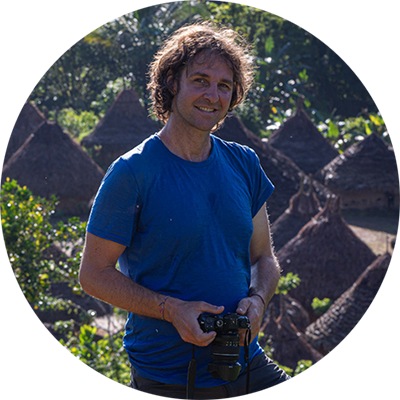
Tristan Quevilly
At the helm of Remote Expeditions, Tristan adeptly combines exploration, photography, tour design, web development, and tour leadership, encapsulating the essence of a versatile travel entrepreneur. His mission is to offer a limited number of high-quality tours each year, ensuring an unparalleled travel experience steering clear of mass tourism. He aims to guide you towards the true essence of each destination, facilitating a deep connection with both nature and yourself.
Frequently Asked Questions
To confirm your spot we request a first payment of 50% of the total trip price. The remaining 50% can be paid up to 3 months before the departure date.
We accept payments in euros and US dollars via bank transfer. Once your booking is made, we will send you all the information and details needed to make the payment.
No, anyone who loves nature is welcome. We always recommend bringing binoculars to enjoy a closer view, and if you have a camera you'll surely capture excellent images too.
You can find all the details about cancellations, refunds and booking conditions on our page: Terms and Conditions.
No. Our trips are designed both for people with experience in photography and wildlife watching and for travelers who simply enjoy nature and want to live a different experience.
The most important thing is to have interest, curiosity and a desire to enjoy the environment and the animals.
Yes. If you wish to arrive earlier or extend your stay, we can arrange additional nights of accommodation, activities and transfers. Just let us know your plans and we'll adjust the itinerary to your preferences.
Yes, of course. Many of our travelers join the expeditions on their own. Our groups usually bring together people with similar interests in wildlife, photography and nature, so the atmosphere tends to be very friendly and it's easy to connect with other travelers.
Start a conversation
Ask about this tour
Tell me what you would like to photograph, your preferred dates, and any questions about the journey.
- Flexible dates and custom itineraries available
- Response within 24 hours guaranteed
- No payment required to customize an itinerary


