
Bolivia Photography Tour: Andean Cloudforest and Macaw Country
Overview
This 22-day birding tour follows Bolivia from the Amazonian lowlands to the high Andes, with an optional six-day Apolo valley extension for Palkachupa Cotinga. The journey begins in Santa Cruz de la Sierra and moves through Riberalta, Trinidad, Los Volcanes, the dry valleys, Cochabamba, Inquisivi, La Paz, the Yungas and Sorata.
Along the way, the focus falls on restricted-range and endemic birds: the Critically Endangered Blue-throated Macaw in the palm savanna of Beni, the Red-fronted Macaw in the Rio Mizque valley, and the Masked Antpitta in the woodlands near Riberalta. Cloudforest, puna, dry valleys and Llanos de los Moxos wetlands give the tour its range and pace.
Photographic opportunities
This is a journey through radically different light. In the Amazonian lowlands around Riberalta, short-stature woodland and cerrado demand patient, quiet fieldcraft — working limited patches for the very localised Masked Antpitta and the retiring Ocellated Crake, with a supporting cast of tinamous, potoos, antbirds and tanagers. The Pantanal-like Llanos de los Moxos open the frame entirely: flooded grassland, palm savanna and gallery woodland where macaws cross between feeding and roosting areas, and Capybaras and other mammals are conspicuously present.
At Los Volcanes, a forested basin beneath immense red sandstone domes, dawn brings a full chorus and mixed flocks, while night sessions target owls and nightjars. The Yungas and Coroico Road offer a gradient from puna pass to subtropical forest, where mists, flowering bushes and towering epiphytes reward long lenses and patience. Dry valleys and the Rio Mizque add warm, arid tones and the rare Red-fronted Macaw.
Who this journey is for
This itinerary will appeal to birders who want to work a wide range of Bolivian habitats in a single journey — Amazonian lowlands, cerrado, Pantanal-like llanos, cloudforest, dry inter-Andean valleys and high puna — with an easy-rated pace and long days of focused birding. It suits travellers comfortable with a 22-day route and several internal flights, and those patient enough for quiet, targeted searches such as the Masked Antpitta woodlands and the Critically Endangered Blue-throated Macaw. The optional six-day Apolo extension will draw those still chasing Palkachupa Cotinga and other local specialities.
Highlights
- Cerro Tunari Specialities
- Yungas Gradient
The journey at a glance
Following the route
The journey moves gradually through 8 distinct overnight bases.
Route shown schematically for orientation.
Itinerary
Day 1
Santa Cruz de la Sierra Arrival and Overnight
Arrival in Santa Cruz de la Sierra comes with an airport transfer to your hotel, where the tour gathers in the evening. Bolivia's commercial capital serves as an easy gateway, offering more direct international connections than La Paz, with flights from the United States, Brazil and Argentina. A colonial red-tile centre meets fast-modernising glass and concrete, and the city sits where Amazonian rainforest, dry Chaco, Andean cloudforest and open savanna converge. This calm, practical first stop precedes the birding that starts the following morning.
Day 2
Savanna Birding Near Santa Cruz de la Sierra and Flight to Riberalta
Breakfast is included before a morning of birding in Cerrado-like savanna near Santa Cruz de la Sierra, where grassy plains, sand dunes, scrub, trees and pools provide habitat for the restricted-range White-bellied Nothura and the near-endemic Bolivian Slaty Antshrike. A generic lunch at a local market follows, then an afternoon flight to Riberalta in northernmost Bolivia, where the lowland phase begins with a two-night stay. The evening closes with a generic dinner.
Day 3
Masked Antpitta and Cerrado Birding from Riberalta
Starting with breakfast, the day heads into short-stature woodlands near Riberalta, where a patient search targets the localised Masked Antpitta in a poorly known area that may hold surprises. Attention then turns to the cerrado east of town, worked for the retiring Ocellated Crake, Rufous-sided Pygmy Tyrant and Black-masked Finch, while surrounding rainforest with Madeira-Tapajos affinities adds tinamous, potoos, parrots, puffbirds, woodcreepers, antbirds, fruitcrows, becards, euphonias and tanagers. Lunch in a local market and dinner follow.
Day 4
Riberalta Birding and Transition to the Llanos de los Moxos
A final morning of birding around Riberalta brings the Amazonian chapter to a close, with time in humid forest and cerrado at the Cerrado-Amazon junction before the flight south. After a market lunch, the flight from Riberalta to Trinidad opens the Beni province. On arrival, the afternoon is spent exploring the Trinidad region, a first look at the Pantanal-like Llanos de los Moxos, with seasonally flooded grassland, palm savanna and gallery woodland offering a relaxed introduction to the days ahead.
Day 5
Blue-throated Macaw Search and Trinidad Wetlands
Starting with breakfast, the route heads along Loreto Road through palm savanna and gallery woodland for a focused search for the Critically Endangered Blue-throated Macaw, where Blue-and-yellow, Red-and-green, Golden-collared and Chestnut-fronted Macaws may also appear. Trinidad Wetlands birding follows, covering marshes, oxbow lakes, open meadows and gallery woodland, with targets such as Orinoco Goose, Hudson's Black Tyrant, Plain Softtail and Fawn-breasted Wren, plus possible Capybaras. Lunch in a local market and dinner close the day.


Day 6
Birding Trinidad's Beni Floodplain Before Flying to Santa Cruz
After breakfast, birding around Trinidad explores Beni floodplain habitats like marshes, oxbow lakes, meadows and pastures, targeting Orinoco Goose, Hudson's Black Tyrant and possibly Chaco Eagle, plus gallery woodland species such as Plain Softtail, Fawn-breasted Wren, Unicoloured Thrush, Velvet-fronted Grackle and Sulphur-bellied Tyrant-Manakin. A local market lunch precedes the flight from Trinidad to Santa Cruz de la Sierra, closing the Llanos de los Moxos leg, followed by dinner.
Day 7
Cloudforest Birding at Refugio Los Volcanes
An early road transfer climbs into the Andean foothills toward Refugio Los Volcanes, an ecolodge near Samaipata set among towering red cliffs beside Amboró National Park. After breakfast, most of the day is given to cloudforest birding on arrival, adding a first afternoon in the forested basin beneath immense red sandstone sugarloaf domes. Near-endemics and mixed flocks offer a taste of what the following day holds, and the secluded wilderness trails make for a calm introduction to the Andes.
Day 8
Birding Trails and Night Forests at Refugio Los Volcanes
Breakfast precedes a morning on the Refugio Los Volcanes birding trails, where the dawn chorus may reveal Gray-throated Leaftosser, Rufescent Screech-Owl, Dusky-green Oropendola, Yungas Manakin, Ochre-cheeked Spinetail, Guira Tanager and possibly the endemic Bolivian Recurvebill. The entrance road offers easier walking and sightings such as Amazonian Motmot, while deeper trails into Amboró National Park pass steep forested slopes, a waterfall and chances for plants, lizards, Tapirs or monkeys. Lunch and dinner are taken locally, followed by night birding around Los Volcanes for Band-bellied Owl, Rufous Nightjar and Ocellated Poorwill.


Day 9
Crater Lake Birding en Route to Samaipata
After breakfast, the road transfer from Los Volcanes climbs from sandstone domes into higher-elevation forest, targeting the elusive Short-tailed Antthrush before reaching a crater lake ringed with dense reed beds, where Masked Duck family parties and Least and Pied-billed Grebes are often present. The route continues through a picturesque Andean farming valley, with cultivated and fallow fields, scrub and deciduous woodland where rare Mitred Parakeets move through cornfield country. Lunch is a generic local market stop, followed by dinner, before the overnight stay in Samaipata.
Day 10
Podocarpus Forest Birding and the Drive to Saipina
Birding begins in a remnant Podocarpus forest, a stronghold for the rare Tucuman Amazon and Red-faced Guan. After breakfast and a market lunch, the route continues from Samaipata toward Saipina, crossing into the Rio Mizque floodplain. The transfer itself is rewarding, with open scrubby hills offering chances at Olive-crowned Crescentchest, Bolivian Warbling Finch and Huayco Tinamou, while Dot-fronted Woodpecker and Giant Antshrike are sought in the valley. Andean Condors often soar overhead. The night is spent around Saipina.
Day 11
Red-fronted Macaw Reserve and Comarapa Journey
Breakfast is included before visiting the Red-fronted Macaw Reserve in the Rio Mizque valley, where the rare Bolivian endemic Red-fronted Macaw crosses between feeding and roosting areas and the endemic Cliff Parakeet also lives. A generic lunch at a local market precedes the transfer to Comarapa, a provincial town beneath the Siberia massif with a balmy inter-montane climate and easy access to Amboro National Park cloudforests; arrival may allow initial exploration. A generic dinner follows.
Day 12
Comarapa, Tambo Canyons and Siberia Cloudforest Birding
Breakfast is followed by birding through the red and orange canyons around Comarapa and Tambo Canyons, where cactus-covered hillsides hold the endemic Bolivian Earthcreeper, before an evening search for Scissor-tailed Nightjar and Tropical Screech Owl. A market lunch precedes the climb to Siberia Cloudforest in Amboro National Park, a high ridge of epiphyte-laden trees above bamboo, where mornings offer clear views and afternoons bring mist. The undergrowth echoes with Rufous-faced Antpitta and Trilling Tapaculo, flowering bushes draw Violet-throated Starfrontlet and Tyrian Metaltail, and the descent adds Grey-bellied Flowerpiercer and Red-tailed Comet. Dinner closes the day.
Day 13
Siberia Watershed Birding en Route to Cochabamba
After breakfast, a long drive from Comarapa to Cochabamba crosses the Siberia watershed into dry valleys, with birding stops along the way. The route focuses on Polylepis gullies, where searches may reveal the endemic Black-hooded Sunbeam, Wedge-tailed Hillstar and Rufous-bellied Mountain Tanager. A generic lunch in a local market and a generic dinner round out the journey. The day combines scenic travel with targeted birding before arriving in Cochabamba.
Day 14
Quillacolla Road and Chapare Birding from Cochabamba
Birding along the Quillacolla Road climbs past Cerro Tunari toward a 4000m pass, where targets include the endemic Cochabamba Mountain Finch, Giant Conebill, Wedge-tailed Hillstar and high-Andean boulder-field species. The Chapare Road then descends from puna through elfin, temperate and subtropical forest toward Villa Tunari, seeking Hooded Mountain Toucan, Upland Antshrike and Yungas Tody-Tyrant. Breakfast is included, with a generic lunch at a local market and a generic dinner available.
Day 15
Quillacolla Road and Chapare Birding
Birding along the Quillacolla Road climbs past Cerro Tunari to a 4000m pass, seeking the endemic Cochabamba Mountain Finch, Giant Conebill, Wedge-tailed Hillstar and high-Andean boulder-field species. A market lunch breaks the day. The Chapare Road then rises from the Cochabamba valley across puna before descending through elfin, temperate and subtropical forest toward Villa Tunari, targeting Hooded Mountain Toucan, Upland Antshrike and Yungas Tody-Tyrant. Breakfast and dinner are included or arranged separately.
Day 16
Quillacolla Road and Chapare Birding
Birding along the Quillacolla Road climbs past Cerro Tunari to a high pass, where Cochabamba Mountain Finch, Giant Conebill and Wedge-tailed Hillstar are sought among boulder-field species. A market lunch precedes the Chapare Road, which rises from puna and descends through elfin, temperate and subtropical forest toward Villa Tunari, targeting Hooded Mountain Toucan, Upland Antshrike and Yungas Tody-Tyrant. Breakfast and dinner are included or arranged separately as noted.
Day 17
Cochabamba Eucalyptus Birding and Transfer to Inquisivi
An early outing near Cochabamba targets the endemic Bolivian Blackbird, typically found singing in introduced eucalyptus trees, along with the range-restricted Brown-backed Mockingbird. Breakfast is included before the road transfer from Cochabamba to Inquisivi, crossing puna habitat with stops for Ornate Tinamou, White-winged Cinclodes, Plain-mantled Tit-Spinetail, Cordilleran Canastero and Puna Yellow Finch. Lunch is taken at a local market, and dinner closes the day.
Day 18
Inquisivi Dry Forest and Return to La Paz
Breakfast is included before searching Inquisivi's dry forest, one of few remaining sites for the Critically Endangered Bolivian Spinetail, with a newly described Green-cheeked Parakeet form, dry-country woodland birds, and another chance at Black-hooded Sunbeam. A generic lunch in a local market follows, then the road transfer from Inquisivi to La Paz, with puna stops en route for canasteros, miners, ground tyrants and yellow finches, closing the high-country birding before the tour turns toward the Yungas. Arrival frames La Paz, the highest capital city on earth, in its amphitheatre beneath Mount Illimani. Dinner is generic.
Day 19
Coroico Road Birding from La Paz
After breakfast, travel from La Paz to Coroico along the Coroico Road, descending from a high puna pass into cloudforest and on to subtropical forest. Birding along this Yungas gradient focuses on the region's specialities, with stops through changing habitat. Lunch is a generic local market meal, and dinner is included separately. The route pairs the dramatic descent with focused birding before arriving in Coroico.
Day 20
Birding the Coroico Road through the Yungas
Birding along the Coroico Road follows the Yungas gradient, descending from a high puna pass into cloudforest and lush subtropical forest while revisiting Yungas specialities. Breakfast is included, with a generic lunch at a local market and a generic dinner available at additional cost. This route through the Coroico Road landscape blends high-altitude and lowland habitats, making it a memorable stretch of birding and scenery.
Day 21
Coroico Road Birding en Route to Sorata
Breakfast is included before another morning along the Coroico Road, working the middle-elevation Yungas forest for Diademed Tapaculo, Scimitar-winged Piha and other pass specialities. This second chance at the habitat rewards patience and helps fill gaps in the list. A generic lunch in a local market follows, then the drive returns through La Paz and continues to Sorata at the base of the Illampa mountains. Dinner is generic, and the night is spent in Sorata.
Day 22
Birding Sorata's Dry Valley and Lake Titicaca Before La Paz
After breakfast, search the dry valley beneath the Illampa mountains for the localised Berlepsch’s Canastero, whose large stick nests are conspicuous in taller eucalyptus, with a high-altitude lake adding Giant Coot and Silvery Grebe. At Lake Titicaca, scan the reed edges for Titicaca (Short-winged) Grebe alongside Andean Goose, Crested Duck, Plumbeous Rail and other high-Andean waterbirds, with Puna Snipe a fortunate possibility. A generic lunch in a local market is available, then drive from Sorata and Lake Titicaca to La Paz airport for a late afternoon departure.


Accommodation
Where you’ll stay

Price details
Price per person
2 people
Per person
3 to 4 people
Per person
5 to 6 people
Per person
7 to 8 people
Per person
9 to 10 people
Per person
11+ people
Per person
Prices are per person and based on twin share, unless stated otherwise.
Additional costs
Deposit
30% deposit (629 EUR approx.)
What is included
Included
- Accommodation throughout the journey
- Meals indicated in the programme
- Transportation during the itinerary
- Pre-trip planning assistance
Not included
- Lunch on arrival day
- Tips
- International flights
- Travel, Medical & Cancellation insurance
- Additional drinks and meals
- Expenses not specified in the programme
- Camera equipment
From past travellers
A few kind words
The Magical Mystery Tour!
In March 2026, I ventured out of my comfort zone and booked an 11 day photography tour with Tristan, through Remote Expeditions.
It was amazing. Truly remote, we visited several indigenous communities in the Sierra Nevada, first to meet them and find out a little about their way of life and second lay to photograph them. Additionally there were several opportunities for photographing birds, landscape and City Scenes in Cartagena.
We were fortunate enough to to be a small group, of two , which I was more that happy to pay a premium for. This gave us an intimate experience with the people we met along the way, additionally the 1:1 attention to our personal interests in photography was incredible.
Tristan was a real treat! He has spent the last 10 years living in and exploring this region of Colombia. He has cultivated relationships with the indigenous peoples of the area, and loves to share his understanding of their culture with you.
He structured the tour perfectly. He was organized, knowledgeable (about the land, its people and photography), compassionate, passionate and eager to share his vast internal encyclopedic information with you. When he didn’t know, he would quickly get you the information.
The remote places you get to, by 4x4, hiking and boating are exceptional. You could never find these places on your own.
Knowing little about Colombia, I was initially a little hesitant to take this tour. Having just returned, I wouldn’t hesitate for a nanosecond.
What ever type of tour you take with Tristan, you won’t be disappointed. He delivered everything he he promised, and a few amazing surprises more.
A magical tour of undiscovered Colombia
I cannot believe how fortunate I am, to have discovered Remote Expeditions, with Tristan as a tour guide, and photographer extraordinaire, sharing his view of Colombia with us, through the lens.
Tristan is an incredible guide. Safe, organized, thoughtful and experienced. He truly chose the best that this mostly remote tour of Colombia has to offer. He has built strong relationships with people in remote villages and has sourced ways to shine a light on their cultural specialities. Dancing, singing, food all combined to allow for great photo opportunities.
In the land of Gabriel Garcia Marquez, you can feel the energy, experience the culture and bring home amazing photographs that capture the moments.
If Colombia is on your photographic bucket list, Tristan is your guide. I recommend him and his beautifully curated tour, without hesitation.
Our Second Unforgettable Trip with Tristan
Our second tailor-made trip with my husband and our friend Tristan, who always knows how to make the trip enjoyable with his simple approach and his own special touch that adds that little extra something!
Tristan is very calm, cheerful, and always understanding of our expectations!
Our first trip to Patagonia was exceptional, and now in September we're going on a trip to Madeira, which will be completely different but also very enjoyable.
Thank you, Tristan.
Good things come in threes 😉
Why travel with us?
Expert, trusted guides
We work with carefully selected local guides chosen for their experience, knowledge of wildlife, and ability to find unique encounters ethically and safely.
Carefully selected accommodations
We choose each accommodation to find the perfect balance between comfort, location, and access to wildlife, so you can make the most of every moment of your journey.
Schedules designed for the best light
We organize activities and outings at key times of day to take advantage of the best light conditions and increase opportunities for wildlife viewing and photography.
You’ll come home with incredible photographs
We design each expedition to maximize opportunities for observation and help you enjoy unique encounters and capture the best photographs possible in the wild.
About your guide
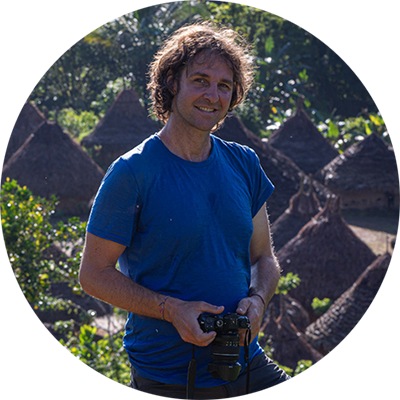
Tristan Quevilly
At the helm of Remote Expeditions, Tristan adeptly combines exploration, photography, tour design, web development, and tour leadership, encapsulating the essence of a versatile travel entrepreneur. His mission is to offer a limited number of high-quality tours each year, ensuring an unparalleled travel experience steering clear of mass tourism. He aims to guide you towards the true essence of each destination, facilitating a deep connection with both nature and yourself.
Frequently Asked Questions
To confirm your spot we request a first payment of 50% of the total trip price. The remaining 50% can be paid up to 3 months before the departure date.
We accept payments in euros and US dollars via bank transfer. Once your booking is made, we will send you all the information and details needed to make the payment.
No, anyone who loves nature is welcome. We always recommend bringing binoculars to enjoy a closer view, and if you have a camera you'll surely capture excellent images too.
You can find all the details about cancellations, refunds and booking conditions on our page: Terms and Conditions.
No. Our trips are designed both for people with experience in photography and wildlife watching and for travelers who simply enjoy nature and want to live a different experience.
The most important thing is to have interest, curiosity and a desire to enjoy the environment and the animals.
Yes. If you wish to arrive earlier or extend your stay, we can arrange additional nights of accommodation, activities and transfers. Just let us know your plans and we'll adjust the itinerary to your preferences.
Yes, of course. Many of our travelers join the expeditions on their own. Our groups usually bring together people with similar interests in wildlife, photography and nature, so the atmosphere tends to be very friendly and it's easy to connect with other travelers.
Start a conversation
Ask about this tour
Tell me what you would like to photograph, your preferred dates, and any questions about the journey.
- Flexible dates and custom itineraries available
- Response within 24 hours guaranteed
- No payment required to customize an itinerary


