
12-Day Ecuador Bird Photography Tour: Hummingbirds & Antpittas
Overview
This 12-day Ecuador bird photography tour works the Andean foothills, the Chocó cloud forest, and the eastern slope through a chain of San Jorge Ecolodges. Mornings begin before sunrise at traditional leks, where Andean Cock-of-the-rock and Long-wattled Umbrellabird may be photographed from hides. Feeding stations bring antpittas, including Rufous and Chestnut-crowned, into close range, while lodge gardens and natural perches attract a remarkable array of hummingbirds, from Sword-billed Hummingbird to Velvet-purple Coronet. The itinerary also includes Antisana National Park for Andean Condor and páramo birds, Papallacta Pass for high-Andean thornbills, and Cayambe-Coca cloud forest for tanagers and Torrent Duck.
Why I created this expedition
Twelve days on the equator is enough time to move through several worlds. The opening stay in the Andean foothills is built around a patient kind of photography: birds that hide in dense understory are drawn out by well-placed feeding stations, where antpittas appear at close range. Around the lodge gardens, hummingbirds work feeders and flowering plants, and the changing light through the day gives portraits different moods.
The story shifts when the route descends into the Chocó cloud forest. Here the fruit feeders fill with aracaris, toucans, and tanagers, while a canopy deck opens a view across the treetops. Before sunrise, hides at traditional leks put photographers face to face with displaying Andean Cock-of-the-rocks and the Long-wattled Umbrellabird. These are not quick sightings; they are sessions built around behavior, perch selection, and forest atmosphere.
The final chapters climb into the high Andes. Antisana's roads and viewpoints are searched for Andean Condors over breeding cliffs, with páramo birds along the lagoons. Papallacta Pass, near 4,000 meters, is a landscape of open grassland and scattered scrub, where high-Andean hummingbirds such as Rainbow-bearded Thornbill pose against the mountains. After descending to the Guacamayos valley, the eastern cloud forest brings another set of tanagers, hummingbirds, and riverine birds like Torrent Duck.
Throughout, the itinerary is structured around hides, feeders, lodge gardens, and natural perches, so the photography focuses on getting clean, intimate images of birds that are often elusive elsewhere.
Photographic opportunities
Photographic opportunities are concentrated around predictable sites: antpitta feeding stations, hummingbird feeders, fruit feeders, canopy decks, and pre-dawn hides. At San Jorge's foothill and cloud-forest lodges, Sword-billed Hummingbird, Sparkling Violetear, Tyrian Metaltail, and White-bellied Woodstar visit natural perches, while tanagers such as Scarlet-bellied Mountain Tanager and Blue-and-yellow Tanager move through the gardens. The Chocó brings Pale-mandibled Aracari, Chocó Toucan, Red-headed Barbet, and Rufous Motmot to banana feeders; the canopy observation deck is the place to wait for Long-wattled Umbrellabird. Hides at Andean Cock-of-the-rock and Long-wattled Umbrellabird leks allow extended sessions on lek behavior. Higher still, Antisana offers Andean Condor and páramo birds against volcanic landscapes, while Papallacta Pass yields Rainbow-bearded Thornbill, Blue-mantled Thornbill, and Ecuadorian Hillstar. Around Guacamayos, eastern-slope hummingbirds include Long-tailed Sylph, Booted Racket-tail, and Gorgeted Woodstar.
Who this journey is for
This itinerary will appeal to photographers and birders who are comfortable settling into hides, monitoring feeders, and returning to the same subjects as light and behavior change. The physical level is rated Easy, and the days are built around lodge gardens, feeding stations, forest trails, and observation decks. Early pre-dawn departures are part of the routine for leks, and the route reaches nearly 4,000 meters at Papallacta Pass, so altitude should be considered when choosing dates.
Inspiration
Expedition highlights


The journey at a glance
Following the route
The journey moves gradually through 2 distinct overnight bases.
Route shown schematically for orientation.
Itinerary
Day 1
Arrival and Welcome in Quito
Today begins with arrival and a reception at the airport with your guide, meeting Tristan there. From Quito Airport, the transfer goes to San Jorge Eco-lodge. After hotel check-in, you settle into your rooms and take a short break to relax. A tour orientation follows, a first meeting to get acquainted, where Tristan covers the itinerary's key points and offers initial tips. The day closes with a welcome dinner at San Jorge Eco-lodge - Quito.
Day 2
Antpittas and Hummingbirds at San Jorge Eco-lodge
A short drive reaches the Antpitta Feeding Station at San Jorge Eco-lodge, where patience may reveal Rufous, Chestnut-crowned, and possibly Chestnut-naped Antpittas at close range, while gardens draw hummingbirds and mountain tanagers. The afternoon centers on hummingbird feeders, with Sword-billed Hummingbird, trainbearers, Sparkling Violetear, Tyrian Metaltail, Shining Sunbeam, and White-bellied Woodstar among visitors. Bird photography around the lodge gardens adds Tufted Tit-Tyrant, Rufous-naped Brushfinch, Azara's Spinetail, Crimson-mantled Woodpecker, Scarlet-bellied Mountain Tanager, Blue-and-yellow Tanager, Southern Yellow Grosbeak, Red-crested Cotinga, and Streak-throated Bush Tyrant before returning to Quito.


Day 3
Hummingbird Photography at San Jorge Eco-lodge Tandayapa
After breakfast, transfer from San Jorge Eco-lodge to the Tandayapa Hummingbird Sanctuary. The afternoon centers on photographing hummingbirds from the lodge gardens, where feeders, flowering plants and natural perches draw Sword-billed Hummingbird, trainbearers, Sparkling Violetear, Tyrian Metaltail, Shining Sunbeam and White-bellied Woodstar, alongside Tufted Tit-Tyrant, Scarlet-bellied Mountain Tanager and Red-crested Cotinga. A second session adds Western Emerald, Buff-tailed Coronet, Booted Racket-tail and Violet-tailed Sylph. Optional forest trails may reveal Scaled Antpitta, Golden-headed Quetzal or White-faced Nunbird. Lunch and dinner are available.


Day 4
Andean Cock-of-the-rock Lek and Hummingbird Photography at San Jorge Eco-lodge Tandayapa
A pre-dawn visit to a traditional Andean Cock-of-the-rock lek allows photographers to watch males display from a well-placed hide, with cloud forest species possibly nearby. Breakfast back at San Jorge Eco-lodge Tandayapa Hummingbird Sanctuary precedes free time to rest or use the hotel facilities, then lunch. In the afternoon, a hummingbird feeding station offers close views of the Empress Brilliant and Velvet-purple Coronet, ideal for portraits and composition practice. Dinner follows at the lodge.
Day 5
From Tandayapa to San Jorge Eco-lodge Milpe
After an included breakfast and hotel check out, travel from Tandayapa into the Chocó cloud forest, arriving at San Jorge Eco-lodge Milpe for check-in. Photograph Chocó hummingbirds at the lodge's feeders and gardens, including White-whiskered Hermit and Green Thorntail. At the banana feeders, watch Pale-mandibled Aracari, Chocó Toucan, Red-headed Barbet and tanagers, with the chance of Indigo-crowned Quail-Dove. Lunch is followed by canopy photography from the multi-level observation deck, looking for trogons, motmots and the possible Long-wattled Umbrellabird.
Day 6
Cloud Forest Feeders and Hummingbird Photography
After an included breakfast, a transfer from Tandayapa leads to Balcón Tumpiki, where cloud forest feeders draw Chocó and Andean species. A hide offers chances to photograph Plate-billed Mountain-Toucan, alongside Sickle-winged Guan, Blue-capped Tanager, Dusky Bush Tanager and Black-chinned Mountain Tanager. Following lunch, hummingbird feeders at Nanegalito attract Velvet-purple Coronet, Empress Brilliant, Brown Inca and Speckled Hummingbird, with Hoary Puffleg occasionally appearing. Returning to Tandayapa, the afternoon at San Jorge Eco-lodge Milpe allows free time at the gardens, hummingbird stations and fruit feeders, with dinner and the lodge's hummingbird sanctuary nearby.


Day 7
Umbrellabird Lek and Hummingbird Photography from San Jorge Eco-lodge Milpe
An early start reaches a traditional Long-wattled Umbrellabird lek, where a hide allows photography of displaying males plus possible Gartered Trogon, Golden-headed Quetzal, Rufescent Tiger-Heron, Smoky-brown Woodpecker or Ornate Hawk-Eagle. Returning for breakfast, the day continues with lunch before an afternoon hummingbird photography session in the restaurant gardens of San Jorge Eco-lodge Milpe, capturing Chocó species at the feeders. After checking out, a transfer leads onward to San Jorge Eco-lodge near Quito for check-in, dinner and rest.

Day 8
Andean Condors and Páramo Bird Photography at Antisana
Breakfast is included before heading into Antisana National Park, where roads and viewpoints offer chances to photograph Andean Condors above the breeding cliffs, along with Ecuadorian Hillstar, Andean Lapwing, Black-faced Ibis, Carunculated Caracara, Tawny Antpitta, Aplomado Falcon, Black-chested Buzzard-Eagle and Variable Hawk. A high-altitude lagoon stop adds waterbirds and páramo specialists against the Antisana Volcano. In the afternoon, a hummingbird feeding station draws Giant Hummingbird and Great Sapphirewing. Lunch and a farewell dinner are available, with the night at San Jorge Eco-lodge in Quito.

Day 9
Papallacta Pass and Cayambe-Coca Photography Route
Breakfast and hotel check-out precede the transfer to Papallacta Pass, where Rainbow-bearded Thornbill, Blue-mantled Thornbill and Ecuadorian Hillstar are sought amid high-Andean páramo near 4,000 meters. The route continues to Cayambe-Coca Ecological Reserve for cloud forest photography of Black-backed Bush Tanager, Masked Mountain Tanager, Pale-naped Brushfinch, Crowned Chat-Tyrant, Pluscap and Golden-crowned Tanager. Hummingbird feeders at El Quetzal Protected Forest attract Chestnut-breasted Coronet, Tourmaline Sunangel and Glowing Puffleg, while a Cuyuja River walk targets Torrent Duck. Lunch, dinner, check-in and an overnight at San Jorge Eco-lodge Guacamayos close the day.

Day 10
Andean Cock-of-the-rock Lek and Cloud Forest Bird Photography at San Jorge Eco-lodge Guacamayos
At San Jorge Eco-lodge Guacamayos, the morning starts before sunrise at the lodge's Andean Cock-of-the-rock lek, photographing males as they call and display from a hide in the eastern cloud forest. Back at the feeders and gardens, hummingbirds such as Long-tailed Sylph, Greenish Puffleg and Gorgeted Woodstar offer close portraits. Breakfast is included, followed by balcony bird photography overlooking fruiting trees, where tanagers and other cloud forest species may appear. Lunch and dinner are available separately.
Day 11
Cock-of-the-rock and Hummingbird Photography at San Jorge Eco-lodge Guacamayos
A second morning at the lek allows more Andean Cock-of-the-rock photography, with shifting weather, light, perches and displaying behavior. After an included breakfast and lunch, the afternoon brings a different hummingbird feeding station on the eastern slope, where Collared Inca, Violet-fronted Brilliant, Green-fronted Lancebill and Green-backed Hillstar may appear. Before dinner, time along a clear mountain river offers Torrent Duck photography and chances at other riverine birds amid the rugged eastern Andes scenery, returning afterward to San Jorge Eco-lodge Guacamayos.
Day 12
Bird Photography at San Jorge Eco-lodge Guacamayos and Narupayacu Hummingbirds Garden
Breakfast at San Jorge Eco-lodge Guacamayos precedes bird photography around the reserve, where forest edge and gardens may reveal Red-crested Finch, Silvery-beaked Tanager, Blue Dacnis, Lafresnaye's Piculet, Coppery-chested Jacamar, Spotted Tanager, and Rufous-breasted Wood-Quail, with Military Macaw and Orange-breasted Falcon occasionally encountered. After lunch, a short drive reaches Narupayacu Hummingbirds Garden in the lower Guacamayos Valley, its flowering gardens attracting Wire-crested Thorntail, Napo Sabrewing, Violet-headed Hummingbird, Rufous-throated Sapphire, Black-throated Brilliant, Fork-tailed Woodnymph, Gould's Jewelfront, Blue-fronted Lancebill, Green Hermit, Many-spotted Hummingbird, Ecuadorian Piedtail, and Pink-throated Brilliant, and perhaps Spangled Coquette. Dinner concludes the day.
Day 13
Departure from Quito via San Jorge Eco-lodge Guacamayos
Today begins with breakfast, followed by a free morning that may be used for photo review, a photoshop session and advice with Tristan, or souvenir shopping. After hotel check out, the journey continues with a transfer from San Jorge Eco-lodge Guacamayos to Quito Airport. The day concludes with departure, as you are dropped off at the airport for your flight back home, closing out the adventure.
Accommodation
Where you’ll stay


Price details
Price per person
2 people
Per person
3 to 4 people
Per person
5 to 6 people
Per person
7 to 8 people
Per person
9 to 10 people
Per person
11+ people
Per person
Prices are per person and based on twin share, unless stated otherwise.
Additional costs
Deposit
30% deposit (1,799 USD approx.)
What is included
Included
- Accommodation throughout the journey
- Meals indicated in the programme
- Transportation during the itinerary
- Pre-trip planning assistance
Not included
- Lunch on arrival day and departure day
- Tips
- International flights
- Travel, Medical & Cancellation insurance
- Additional drinks and meals
- Expenses not specified in the programme
- Camera equipment
From past travellers
A few kind words
You are in good hands with Tristan!
Tristan does an amazing job at putting together a culturally rich experience. He also does a great job at adapting to his clients needs and interests. He responds well to feedback. He is both professional and personable. I feel as though I had the opportunity not only to photograph many different elements of Colombia, but that I truly experienced the country and its culture. Our adventure took us from birding in the mountains outside of Cali, to visiting remote indigenous tribes, to visiting active fishing villages, to learning about local and historical musicians and customs, to beautiful settings in the mountains and along the seashore.
I give Tristan the highest recommendation as a guide for Colombia.
Colombia Birding Tour
I visited Colombia with Tristan of Remote Expeditions and would highly recommend him. He put together a wonderful itinerary with great knowledge of the areas and attention to details to give us a wonderful sampling of the country. He is personally very gentle and fun by nature and you will return home feeling very happy and satisfied. Whatever your special interest is, I’m sure he can make an itinerary to exceed your goals.
The Magical Mystery Tour!
In March 2026, I ventured out of my comfort zone and booked an 11 day photography tour with Tristan, through Remote Expeditions.
It was amazing. Truly remote, we visited several indigenous communities in the Sierra Nevada, first to meet them and find out a little about their way of life and second lay to photograph them. Additionally there were several opportunities for photographing birds, landscape and City Scenes in Cartagena.
We were fortunate enough to to be a small group, of two , which I was more that happy to pay a premium for. This gave us an intimate experience with the people we met along the way, additionally the 1:1 attention to our personal interests in photography was incredible.
Tristan was a real treat! He has spent the last 10 years living in and exploring this region of Colombia. He has cultivated relationships with the indigenous peoples of the area, and loves to share his understanding of their culture with you.
He structured the tour perfectly. He was organized, knowledgeable (about the land, its people and photography), compassionate, passionate and eager to share his vast internal encyclopedic information with you. When he didn’t know, he would quickly get you the information.
The remote places you get to, by 4x4, hiking and boating are exceptional. You could never find these places on your own.
Knowing little about Colombia, I was initially a little hesitant to take this tour. Having just returned, I wouldn’t hesitate for a nanosecond.
What ever type of tour you take with Tristan, you won’t be disappointed. He delivered everything he he promised, and a few amazing surprises more.
Why travel with us?
Expert, trusted guides
We work with carefully selected local guides chosen for their experience, knowledge of wildlife, and ability to find unique encounters ethically and safely.
Carefully selected accommodations
We choose each accommodation to find the perfect balance between comfort, location, and access to wildlife, so you can make the most of every moment of your journey.
Schedules designed for the best light
We organize activities and outings at key times of day to take advantage of the best light conditions and increase opportunities for wildlife viewing and photography.
You’ll come home with incredible photographs
We design each expedition to maximize opportunities for observation and help you enjoy unique encounters and capture the best photographs possible in the wild.
About your guide
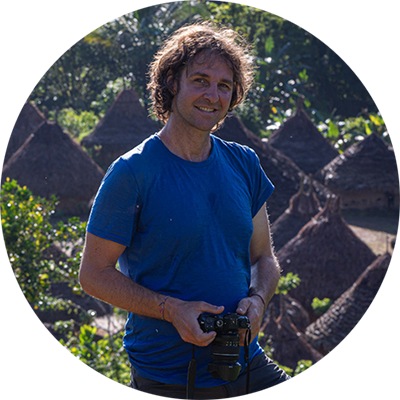
Tristan Quevilly
At the helm of Remote Expeditions, Tristan adeptly combines exploration, photography, tour design, web development, and tour leadership, encapsulating the essence of a versatile travel entrepreneur. His mission is to offer a limited number of high-quality tours each year, ensuring an unparalleled travel experience steering clear of mass tourism. He aims to guide you towards the true essence of each destination, facilitating a deep connection with both nature and yourself.
Frequently Asked Questions
To confirm your spot we request a first payment of 50% of the total trip price. The remaining 50% can be paid up to 3 months before the departure date.
We accept payments in euros and US dollars via bank transfer. Once your booking is made, we will send you all the information and details needed to make the payment.
No, anyone who loves nature is welcome. We always recommend bringing binoculars to enjoy a closer view, and if you have a camera you'll surely capture excellent images too.
You can find all the details about cancellations, refunds and booking conditions on our page: Terms and Conditions.
No. Our trips are designed both for people with experience in photography and wildlife watching and for travelers who simply enjoy nature and want to live a different experience.
The most important thing is to have interest, curiosity and a desire to enjoy the environment and the animals.
Yes. If you wish to arrive earlier or extend your stay, we can arrange additional nights of accommodation, activities and transfers. Just let us know your plans and we'll adjust the itinerary to your preferences.
Yes, of course. Many of our travelers join the expeditions on their own. Our groups usually bring together people with similar interests in wildlife, photography and nature, so the atmosphere tends to be very friendly and it's easy to connect with other travelers.
Start a conversation
Ask about this tour
Tell me what you would like to photograph, your preferred dates, and any questions about the journey.
- Flexible dates and custom itineraries available
- Response within 24 hours guaranteed
- No payment required to customize an itinerary


