
Circuit de photographie d'oiseaux de 12 jours en Équateur : colibris et grallaires
Overview
Ce Voyage Photo ornithologique de 12 jours en Équateur parcourt les contreforts des Andes, la forêt de nuages du Chocó et le versant oriental, au fil d'une chaîne d'écolodges San Jorge. Les matinées débutent avant le lever du soleil sur des leks traditionnels, où le Coq-de-roche péruvien et le Céphaloptère à longs pendants peuvent être photographiés depuis des affûts. Les stations de nourrissage permettent d'approcher de près les grallaires, notamment la Grallaire rousse et la Grallaire à tête rousse, tandis que les jardins des lodges et les perchoirs naturels attirent une remarquable diversité de colibris, du Colibri porte-épée à la Coronète de Jardine. L'itinéraire comprend aussi le parc national Antisana, pour le Condor des Andes et les oiseaux du páramo, le col de Papallacta, pour les Métallures des hautes Andes, et la forêt de nuages de Cayambe-Coca, pour les tangaras et la Merganette des torrents.
Why I created this expedition
Douze jours sur l’équateur suffisent pour traverser plusieurs mondes. Le premier séjour dans les contreforts des Andes s’articule autour d’une photographie patiente : les oiseaux qui se cachent dans un sous-bois dense sont attirés par des postes de nourrissage bien placés, où les grallaires apparaissent de près. Autour des jardins du lodge, les colibris fréquentent les mangeoires et les plantes à fleurs, et la lumière qui évolue au fil de la journée donne aux portraits des ambiances différentes.
Le récit change lorsque l’itinéraire descend dans la forêt de nuages du Chocó. Ici, les mangeoires à fruits se remplissent d’aracaris, de toucans et de tangaras, tandis qu’une plateforme dans la canopée ouvre la vue sur la cime des arbres. Avant le lever du soleil, des affûts installés sur des arènes de parade traditionnelles mettent les photographes face à des coqs-de-roche péruviens et des céphaloptères à pendeloques en pleine parade. Ce ne sont pas des observations rapides ; ce sont des séances construites autour du comportement, du choix des perchoirs et de l’atmosphère de la forêt.
Les derniers chapitres s’élèvent dans les hautes Andes. Sur les routes et aux belvédères de l’Antisana, on recherche les condors des Andes au-dessus des falaises de nidification, avec les oiseaux du páramo le long des lagunes. Le col de Papallacta, à près de 4 000 mètres, offre un paysage de prairies ouvertes et de broussailles éparses, où les colibris de haute altitude, comme la métallure à barbe arc-en-ciel, se détachent sur les montagnes. Après la descente vers la vallée de Guacamayos, la forêt de nuages orientale réserve un autre cortège de tangaras, de colibris et d’oiseaux des cours d’eau, dont la merganette des torrents.
Tout au long du parcours, l’itinéraire s’articule autour d’affûts, de mangeoires, des jardins des lodges et de perchoirs naturels : la photographie privilégie ainsi des images épurées et intimistes d’oiseaux souvent insaisissables ailleurs.
Photographic opportunities
Photographic opportunities are concentrated around predictable sites: antpitta feeding stations, hummingbird feeders, fruit feeders, canopy decks, and pre-dawn hides. At San Jorge's foothill and cloud-forest lodges, Sword-billed Hummingbird, Sparkling Violetear, Tyrian Metaltail, and White-bellied Woodstar visit natural perches, while tanagers such as Scarlet-bellied Mountain Tanager and Blue-and-yellow Tanager move through the gardens. The Chocó brings Pale-mandibled Aracari, Chocó Toucan, Red-headed Barbet, and Rufous Motmot to banana feeders; the canopy observation deck is the place to wait for Long-wattled Umbrellabird. Hides at Andean Cock-of-the-rock and Long-wattled Umbrellabird leks allow extended sessions on lek behavior. Higher still, Antisana offers Andean Condor and páramo birds against volcanic landscapes, while Papallacta Pass yields Rainbow-bearded Thornbill, Blue-mantled Thornbill, and Ecuadorian Hillstar. Around Guacamayos, eastern-slope hummingbirds include Long-tailed Sylph, Booted Racket-tail, and Gorgeted Woodstar.
Who this journey is for
Cet itinéraire plaira aux photographes et aux ornithologues qui aiment s’installer dans des affûts, surveiller les mangeoires et revenir sur les mêmes sujets lorsque la lumière et les comportements évoluent. Le niveau physique est classé Facile, et les journées s’articulent autour des jardins du lodge, des postes de nourrissage, des sentiers forestiers et des plateformes d’observation. Les départs avant l’aube font partie de la routine pour les leks, et l’itinéraire atteint près de 4 000 mètres au col de Papallacta ; il faut donc tenir compte de l’altitude au moment de choisir les dates.
Inspiration
Expedition highlights


The journey at a glance
Following the route
The journey moves gradually through 2 distinct overnight bases.
Route shown schematically for orientation.
Itinerary
Day 1
Arrivée et accueil à Quito
La journée commence par l’arrivée et un accueil à l’aéroport en compagnie de votre guide, Tristan, que vous rencontrerez sur place. Depuis l’aéroport de Quito, le transfert vous conduit au San Jorge Eco-lodge. Après l’enregistrement à l’hôtel, vous vous installez dans vos chambres et prenez un court moment pour vous détendre. S’ensuit une présentation du voyage, une première rencontre pour faire connaissance, au cours de laquelle Tristan présente les points clés de l’itinéraire et donne ses premiers conseils. La journée se termine par un dîner de bienvenue au San Jorge Eco-lodge - Quito.
Day 2
Grallaires et colibris au San Jorge Eco-lodge
Un court trajet en voiture mène à la station de nourrissage à grallaires de l’écolodge San Jorge, où la patience peut permettre d’observer de près des grallaires rousses, des grallaires à tête rousse et peut-être des grallaires à nuque rousse, tandis que les jardins attirent colibris et tangaras de montagne. L’après-midi est consacré aux mangeoires à colibris, avec, parmi les visiteurs, le colibri porte-épée, des porte-traînes, le colibri étincelant, la métallure tyrianthine, le colibri soleil et le colibri de Mulsant. La photographie d’oiseaux dans les jardins de l’écolodge ajoute à la liste le taurillon huppé, l’atlapète à nuque rousse, le synallaxe d’Azara, le pic de Rivoli, le tangara à ventre écarlate, le tangara jaune et bleu, le cardinal à ventre jaune, le cotinga à crête rouge et le tyran à gorge striée, avant de rentrer à Quito.


Day 3
Photographie des colibris au San Jorge Eco-lodge Tandayapa
Après le petit-déjeuner, transfert de l'éco-lodge San Jorge au sanctuaire des colibris de Tandayapa. L'après-midi est consacré à la photographie des colibris depuis les jardins du lodge, où les mangeoires, les plantes à fleurs et les perchoirs naturels attirent le Colibri porte-épée, les porte-queues, le Colibri étincelant, la Métallure tyrianthine, l'Aglaeactis à dos cuivré et le Colibri nain à ventre blanc, aux côtés du Taurillon huppé, du Tangara à ventre écarlate et du Cotinga à crête rouge. Une deuxième session ajoute l'Émeraude de l'Ouest, le Colibri à queue chamois, l'Ocreatus à bottines et le Sylphe à queue violette. Des sentiers forestiers en option peuvent révéler la Grallaire écaillée, le Quetzal à tête dorée ou le Barbacou à face blanche. Le déjeuner et le dîner sont disponibles.


Day 4
Photographie du lek de coqs-de-roche des Andes et des colibris à l'éco-lodge San Jorge Tandayapa
Une visite avant l'aube sur un lek traditionnel de coqs-de-roche des Andes permet aux photographes d'observer les mâles parader depuis un affût bien placé, avec peut-être des espèces de la forêt de nuages à proximité. Le petit-déjeuner au San Jorge Eco-lodge Tandayapa Hummingbird Sanctuary précède un temps libre pour se reposer ou profiter des installations de l'hôtel, puis le déjeuner. L'après-midi, un poste de nourrissage des colibris offre des vues rapprochées du Brillant impératrice et du Colibri de Jardine, idéales pour les portraits et les exercices de composition. Le dîner est ensuite servi au lodge.
Day 5
De Tandayapa à San Jorge Eco-lodge Milpe
Après un petit-déjeuner inclus et le départ de l'hôtel, vous quitterez Tandayapa pour la forêt de nuages du Chocó et arriverez à San Jorge Eco-lodge Milpe pour l'installation. Vous photographierez les colibris du Chocó aux mangeoires et dans les jardins de l'éco-lodge, notamment l'Ermite de Yaruqui et la Coquette de Convers. Aux mangeoires à bananes, vous observerez l'Araçari à bec clair, le Toucan du Chocó, le Cabézon à tête rouge et des tangaras, avec la possibilité d'observer la Colombe à couronne indigo. Après le déjeuner, vous photographierez la canopée depuis la plateforme d'observation à plusieurs niveaux, à la recherche de trogons, de motmots et, éventuellement, de la Coracine penduline.
Day 6
Mangeoires en forêt de nuages et photographie des colibris
Après un petit-déjeuner inclus, un transfert depuis Tandayapa mène à Balcón Tumpiki, où les mangeoires de la forêt de nuages attirent des espèces du Chocó et des Andes. Un affût offre l'occasion de photographier le Toucan montagnard à bec plat, aux côtés de la Pénélope à ailes en faucille, du Tangara à calotte bleue, du Tangara des buissons enfumé et du Tangara montagnard à menton noir. Après le déjeuner, les mangeoires à colibris de Nanegalito attirent le Colibri de Jardine, le Brillant impératrice, l'Inca brun et le Colibri moucheté, l'Érione givrée se montrant parfois. De retour à Tandayapa, l'après-midi au San Jorge Eco-lodge Milpe laisse du temps libre dans les jardins, aux stations de nourrissage des colibris et aux mangeoires à fruits, avec le dîner et le sanctuaire de colibris de l'écolodge à proximité.


Day 7
Lek de cotingas-parapluies et photographie de colibris depuis l'éco-lodge San Jorge Milpe
Un départ matinal permet d'atteindre un lek traditionnel de céphaloptères à longues caroncules, où un affût permet de photographier les mâles en parade, ainsi que, éventuellement, un trogon pattu, un quetzal à tête dorée, un onoré rayé, un pic enfumé ou un aigle orné. Après un retour pour le petit-déjeuner, la journée se poursuit par un déjeuner, puis par une séance de photographie de colibris l'après-midi dans les jardins du restaurant de San Jorge Eco-lodge Milpe, où vous photographierez des espèces du Chocó aux mangeoires. Après avoir libéré la chambre, un transfert mène ensuite à San Jorge Eco-lodge, près de Quito, pour l'enregistrement, le dîner et le repos.

Day 8
Condors des Andes et photographie d'oiseaux du páramo à Antisana
Le petit-déjeuner est inclus avant de rejoindre le parc national Antisana, où les routes et les points de vue offrent l'occasion de photographier des condors des Andes au-dessus des falaises de nidification, ainsi que le colibri du Chimborazo, le vanneau des Andes, l'ibis à face noire, le caracara caronculé, la grallaire de Quito, le faucon aplomado, la buse à poitrine noire et la buse tricolore. Une halte dans une lagune d'altitude permet d'observer des oiseaux d'eau et des spécialistes du páramo sur fond du volcan Antisana. Dans l'après-midi, une station de nourrissage de colibris attire le colibri géant et l'héliange à ailes de saphir. Le déjeuner et un dîner d'adieu sont prévus, avec une nuit au San Jorge Eco-lodge, à Quito.

Day 9
Col de Papallacta et itinéraire photographique de Cayambe-Coca
Le petit-déjeuner et la libération de la chambre d'hôtel précèdent le transfert vers le col de Papallacta, où l'on recherche l'érione de Herran, l'érione de Stanley et le colibri du Chimborazo au milieu du páramo andin de haute altitude, près de 4 000 mètres. L'itinéraire se poursuit vers la réserve écologique Cayambe-Coca, pour photographier en forêt de nuages le tangara de Stolzmann, le tangara masqué, le tohi à nuque pâle, le pitajo à couronne, le catamblyrhynque à calotte jaune et le tangara à couronne dorée. Les mangeoires à colibris de la forêt protégée El Quetzal attirent le colibri de Matthews, l'héliange tourmaline et l'ériocnemis étincelant, tandis qu'une marche le long de la rivière Cuyuja permet de rechercher la merganette des torrents. Le déjeuner, le dîner, l'enregistrement et une nuit au San Jorge Eco-lodge Guacamayos clôturent la journée.

Day 10
Lek du Coq de roche péruvien et photographie d'oiseaux en forêt de nuages à San Jorge Eco-lodge Guacamayos
Au San Jorge Eco-lodge Guacamayos, la matinée commence avant le lever du soleil au lek de coqs-de-roche des Andes de l'écolodge, où l'on photographie les mâles qui lancent leurs cris et paradent depuis un affût dans la forêt de nuages orientale. De retour aux mangeoires et dans les jardins, des colibris tels que le Sylphe à queue d'azur, l'Érione d'Aurélie et le Colibri à gorgerette offrent des portraits rapprochés. Le petit-déjeuner est inclus, suivi d'une séance de photographie d'oiseaux depuis le balcon, avec vue sur des arbres en fruits, où des tangaras et d'autres espèces de la forêt de nuages peuvent se montrer. Le déjeuner et le dîner sont disponibles séparément.
Day 11
Photographie du coq-de-roche et des colibris à l'éco-lodge San Jorge Guacamayos
Une deuxième matinée sur l’arène de parade offre de nouvelles occasions de photographier le Coq-de-roche péruvien, avec une météo, une lumière, des perchoirs et des comportements de parade en constante évolution. Après un petit-déjeuner et un déjeuner inclus, l’après-midi nous mène vers une autre station de nourrissage des colibris sur le versant est, où peuvent apparaître l’Inca à collier, le Brillant à front violet, le Porte-lance à front vert et le Colibri à dos vert. Avant le dîner, un moment le long d’une rivière de montagne limpide permet de photographier la Merganette des torrents et d’observer d’autres oiseaux des cours d’eau dans les paysages escarpés des Andes orientales, avant de regagner ensuite San Jorge Eco-lodge Guacamayos.
Day 12
Photographie d'oiseaux au San Jorge Eco-lodge Guacamayos et au Jardin des colibris Narupayacu
Le petit-déjeuner au San Jorge Eco-lodge Guacamayos précède la photographie d'oiseaux autour de la réserve, où la lisière de forêt et les jardins peuvent révéler l'araguira rouge, le tangara à bec d'argent, le dacnis bleu, le picumne de Lafresnaye, le jacamar à poitrine cuivrée, le calliste tacheté et le tocro à poitrine rousse, avec le ara militaire et le faucon orangé rencontrés occasionnellement. Après le déjeuner, un court trajet mène au Jardin des colibris de Narupayacu, dans la basse vallée de Guacamayos, dont les jardins fleuris attirent la coquette de Popelaire, le campyloptère du Napo, le colibri à tête violette, le saphir à gorge rousse, le brillant à gorge noire, la dryade à queue fourchue, le brillant de Gould, le porte-lance de Jeanne, l'ermite vert, le colibri à taches nombreuses, le colibri à queue pie et le brillant à gorge rose, et peut-être la coquette pailletée. Le dîner clôt la journée.
Day 13
Départ de Quito via San Jorge Eco-lodge Guacamayos
La journée commence par le petit-déjeuner, puis par une matinée libre qui pourra être consacrée à une revue de photos, à une séance de retouche sous Photoshop et à des conseils avec Tristan, ou à l’achat de souvenirs. Après avoir libéré la chambre, le voyage se poursuit par un transfert du San Jorge Eco-lodge Guacamayos à l’aéroport de Quito. La journée s’achève par le départ : vous êtes déposé à l’aéroport pour votre vol retour, clôturant ainsi l’aventure.
Accommodation
Where you’ll stay


Price details
Price per person
2 personnes
Per person
3 à 4 personnes
Per person
5 à 6 personnes
Per person
7 à 8 personnes
Per person
9 à 10 personnes
Per person
11+ personnes
Per person
Prices are per person and based on twin share, unless stated otherwise.
Additional costs
Deposit
30% deposit (1 799 USD approx.)
What is included
Included
- Hébergement tout au long du voyage
- Repas indiqués dans le programme
- Transport pendant l'itinéraire
- Assistance à la planification avant le voyage
Not included
- Déjeuner le jour d'arrivée et le jour de départ
- Pourboires
- Vols internationaux
- Assurance voyage, médicale et annulation
- Boissons et repas supplémentaires
- Dépenses non spécifiées dans le programme
- Équipement photo
From past travellers
A few kind words
Avec Tristan, vous êtes entre de bonnes mains !
Tristan fait un excellent travail pour concevoir une expérience culturelle riche. Il sait aussi très bien s’adapter aux besoins et aux centres d’intérêt de ses clients. Il est réceptif aux retours. Il est à la fois professionnel et chaleureux. J’ai eu le sentiment d’avoir non seulement pu photographier de nombreux aspects différents de la Colombie, mais aussi d’avoir véritablement découvert le pays et sa culture. Notre aventure nous a menés de l’observation des oiseaux dans les montagnes autour de Cali à la visite de communautés autochtones reculées, en passant par des villages de pêcheurs en activité, la découverte de musiciens et de coutumes locales et historiques, et de beaux sites dans les montagnes et le long du littoral.
Je recommande Tristan sans réserve comme guide pour la Colombie.
Circuit ornithologique en Colombie
J’ai visité la Colombie avec Tristan, d’Expéditions Lointaines, et je le recommande vivement. Il a élaboré un bel itinéraire, avec une excellente connaissance des régions et un grand souci du détail, pour nous offrir un très bon aperçu du pays. Il est personnellement très doux et d’un naturel enjoué, et vous rentrerez chez vous heureux et pleinement satisfait. Quels que soient vos centres d’intérêt, je suis sûr qu’il saura concevoir un itinéraire qui dépasse vos objectifs.
Le circuit magique et mystérieux !
En mars 2026, je suis sorti de ma zone de confort et j’ai réservé un Voyage Photo de 11 jours avec Tristan, par l’intermédiaire d’Expéditions Lointaines.
Ce fut remarquable. En pleine zone reculée, nous avons visité plusieurs communautés autochtones de la Sierra Nevada, d’abord pour les rencontrer et découvrir un peu leur mode de vie, puis pour les photographier. Nous avons aussi eu plusieurs occasions de photographier des oiseaux, des paysages et des scènes urbaines à Carthagène.
Nous avons eu la chance de n’être qu’un petit groupe de deux, ce pour quoi j’étais plus que disposé à payer un supplément. Cela nous a donné une expérience intime avec les personnes rencontrées en chemin, et l’attention individuelle portée à nos intérêts personnels en photographie était remarquable.
Tristan a été une très belle rencontre ! Il a passé ces dix dernières années à vivre dans cette région de Colombie et à l’explorer. Il a noué des relations avec les peuples autochtones de la région et aime partager avec vous sa compréhension de leur culture.
Il a parfaitement structuré le circuit. Il était organisé, compétent (sur le territoire, ses habitants et la photographie), compatissant, passionné et désireux de partager avec vous son vaste savoir encyclopédique. Quand il ne savait pas, il vous trouvait rapidement l’information.
Les endroits reculés où vous vous rendez, en 4x4, en randonnée et en bateau, sont exceptionnels. Vous ne pourriez jamais trouver ces endroits par vous-même.
Connaissant peu la Colombie, j’ai d’abord un peu hésité à faire ce circuit. Maintenant que je viens de rentrer, je n’hésiterais pas une nanoseconde.
Quel que soit le type de circuit que vous ferez avec Tristan, vous ne serez pas déçu. Il a tenu tout ce qu’il avait promis, et même quelques belles surprises en plus.
Pourquoi voyager avec nous ?
Guides experts et de confiance
Nous travaillons avec des guides locaux soigneusement sélectionnés pour leur expérience, leur connaissance de la faune et leur capacité à trouver des rencontres uniques de manière éthique et sécuritaire.
Hébergements soigneusement sélectionnés
Nous choisissons chaque hébergement pour trouver l'équilibre parfait entre confort, emplacement et accès à la faune, afin que vous puissiez profiter au maximum de chaque instant de votre voyage.
Des horaires conçus pour la meilleure lumière
Nous organisons des activités et des sorties à des moments clés de la journée pour profiter des meilleures conditions de lumière et augmenter les possibilités d'observation et de photographie de la faune.
Vous rentrerez chez vous avec des photographies incroyables.
Nous concevons chaque expédition pour maximiser les opportunités d'observation et vous aider à profiter de rencontres uniques et à prendre les meilleures photographies possibles dans la nature.
À propos de votre guide
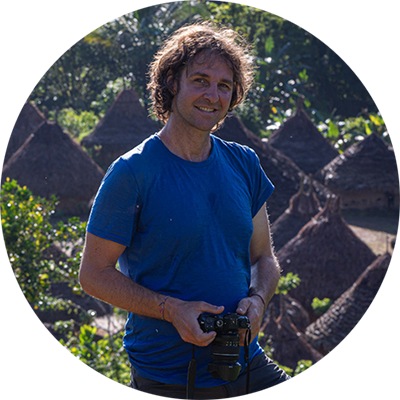
Tristan Quevilly
À la tête de Remote Expeditions, Tristan combine avec habileté exploration, photographie, conception de circuits, développement web et direction de circuits, incarnant l'essence d'un entrepreneur de voyage polyvalent. Sa mission est d'offrir un nombre limité de circuits de haute qualité chaque année, garantissant une expérience de voyage inégalée, loin du tourisme de masse. Il vise à vous guider vers la véritable essence de chaque destination, favorisant une connexion profonde avec la nature et avec vous-même.
Questions fréquentes
Pour confirmer votre place, nous demandons un premier paiement de 50 % du prix total du voyage. Les 50 % restants peuvent être payés jusqu'à 3 mois avant la date de départ.
Nous acceptons les paiements en euros et en dollars américains par virement bancaire. Une fois votre réservation effectuée, nous vous enverrons toutes les informations et détails nécessaires pour effectuer le paiement.
Non, toute personne qui aime la nature est la bienvenue. Nous recommandons toujours d'apporter des jumelles pour profiter d'une vue plus rapprochée, et si vous avez un appareil photo, vous capturerez sûrement d'excellentes images aussi.
Vous pouvez trouver tous les détails concernant les annulations, les remboursements et les conditions de réservation sur notre page : Conditions générales.
Non. Nos voyages sont conçus à la fois pour les personnes ayant de l'expérience en photographie et en observation de la faune, et pour les voyageurs qui apprécient simplement la nature et souhaitent vivre une expérience différente.
Le plus important est d'avoir de l'intérêt, de la curiosité et un désir de profiter de l'environnement et des animaux.
Oui. Si vous souhaitez arriver plus tôt ou prolonger votre séjour, nous pouvons organiser des nuits d'hébergement supplémentaires, des activités et des transferts. Faites-nous simplement part de vos projets et nous ajusterons l'itinéraire selon vos préférences.
Oui, bien sûr. Beaucoup de nos voyageurs participent aux expéditions seuls. Nos groupes rassemblent généralement des personnes partageant les mêmes intérêts pour la faune, la photographie et la nature, donc l'atmosphère a tendance à être très amicale et il est facile de se connecter avec d'autres voyageurs.
Start a conversation
Ask about this tour
Tell me what you would like to photograph, your preferred dates, and any questions about the journey.
- Dates flexibles et itinéraires personnalisés disponibles.
- Réponse garantie sous 24 heures
- Aucun paiement requis pour personnaliser un itinéraire


