
Colombia Photography Tour: Sierra Nevada Indigenous Villages and Caribbean Coast
Overview
This is a 26-day photography journey through Colombia, following the indigenous communities of the Sierra Nevada de Santa Marta over six days of trekking between Kogui villages. In the hills around Minca, mornings are given to birdwatching and an afternoon to a private portrait session with a Wiwa family in Awindua. You sleep in hammocks inside traditional huts in Gungulaja and Mamarongo, meet local Mamos, and learn the preparation of fique fibre used for mochilas.
In Arhuaco land at Nabusimake you stay with a host family, weave a mochila and join a night-time charla around the fire. The journey closes with flamingos at sunrise, a Wayuu Yona dance, the floating village of Nueva Venecia and the Palenqueras of Cartagena.
Photographic opportunities
This journey is built around slow, respectful access, and the photography follows that rhythm. In the forests around Mundo Nuevo, pre-dawn starts give you mixed flocks and hummingbirds in soft, changing light; a private session with a Wiwa family in Awindua is a chance to make unhurried portraits. Through Kogui and Arhuaco territory, expect hammock nights, river baths, and village life—wax palms, traditional plantations, the preparation of fique, and a mochila workshop. On clear nights, the sky is free of light pollution. In Mompox, a sunset boat ride on the Ciénaga de Pijiño offers lagoon ecosystems and the town seen from the river. Along the Caribbean, a sunrise sailboat trip looks for flamingos with the Sierra Nevada behind them, and a feeding station in dry forest brings close-up bird photography. Tayrona, Nueva Venecia, and Cartagena add landscape, water, and colour.
Who this journey is for
This itinerary will appeal to travellers who want more than a quick visit: a slow, respectful immersion into the worlds of the Kogui, Wiwa and Arhuaco peoples, with trekking as the thread that connects these cultures. The pace is moderate, and the group is limited to eight, which keeps the experience intimate and flexible. Days include hiking between villages, nights in hammocks inside traditional huts, river bathing, birdwatching before sunrise, and unhurried free days decided on site. If you are drawn to light, landscape and living culture—and prefer sharing days with host families over passing through—this journey is designed for you.
Inspiration
Expedition highlights


The journey at a glance
Following the route
The journey moves gradually through 8 distinct overnight bases.
Route shown schematically for orientation.
Itinerary
Day 1
Minca and Mundo Nuevo Ecolodge, Sierra Nevada de Santa Marta
A 4×4 transfer climbs from Santa Marta into Minca, the ecological capital of the Sierra Nevada de Santa Marta, where the road itself is part of the experience. The route continues to Mundo Nuevo Ecolodge, set in the forested foothills of the range. This is a day for photographing the transition from coastal lowland to mountain habitat, with the lodge as a base for exploring the surrounding vegetation and its resident birdlife. Arrival, reception with the guide and tour orientation frame the day, closing with dinner at the lodge.
Day 2
Mundo Nuevo: Forest Birds, Cacao and Wiwa Portraits
Before sunrise, the forests of Mundo Nuevo fill with mixed flocks, and a local guide helps track Keel-billed Toucan, Black-headed Tanager and White-lored Warbler among the hummingbirds, adjusting pace to the birds and the light. Next door, Finca La Candelaria opens its cacao and coffee story, then a private session with a Wiwa family in the small village of Awindua allows time for portraits. Sunset at Mundo Nuevo's mirador closes the day with one of the region's widest views.


Day 3
Mundo Nuevo Ecolodge: A Flexible Day in the Jungle
Mundo Nuevo Ecolodge sits in the humid forest near Tayrona, where the day is shaped by the group's mood. Options include relaxed morning birdwatching, a hike to Cascada Escondida or Pozo Azul, or a portrait session with a Wayuu model in a jungle-like setting. The pool offers a quiet base between activities, and a post-processing session suits photographers reviewing images. Meals are taken at the lodge, framing a day that stays close to the surrounding habitat and its wildlife.


Day 4
Kogui Village Walk from Cherua via Palmor
A full day of travel through the Sierra Nevada foothills, moving from Mundo Nuevo Ecolodge through Minca and Puente Sevilla to Palmor Village and on to Cherua, where the night is spent at Finca Donde Fidel. The walking tour focuses on Tunangasa, a Kogui village roughly half an hour from Fidel's home, integrated with the surrounding farming culture. The route pauses often for wide views over the Kogui village of Cherua and a lush valley, with the chance to visit a Lulo fruit farm along the way.


Day 5
Hiking from Cherua to Gungulaja
A hike from Cherua leads through the forest to Gungulaja, a village in the Sierra Nevada de Santa Marta. After settling into a hammock in a hut, the afternoon is spent walking the village and its surroundings, meeting the Mamo, the community's spiritual leader, and bathing in the river before returning. The landscape and the village itself, rather than wildlife, are the subjects here, offering time to photograph daily life and the river setting. Breakfast and dinner are taken in the village.


Day 6
Gungulaja: Kogui Life and Fique Craft Along the River
An ecological walk follows the stream of the river past the site of the old village of Gungulaja, where traditional plantations and wax palms stand in the landscape. Return to the village reveals more of Kogui life and the chance to exchange with residents. The afternoon turns to the preparation of fique, the natural fiber used to make mochilas. The night sky, free of light pollution, is the day's quiet reward.

Day 7
Hiking to Mamarongo, Sierra Nevada de Santa Marta
A scenic hike from Gungulaja climbs through Colombia's lush mountain landscapes toward Mamarongo, with wide views over the surrounding terrain along the way. The route ends at the village itself, reached in the middle of the afternoon, where the group settles into a hut and spends the remaining hours discovering the village, its inhabitants and its surroundings. A first meeting with the local authorities introduces the group and the photography project. The day closes quietly in the Sierra, with the hammock in the hut as the night's base.


Day 8
Free Day in Mamarongo
Mamarongo's forest and village surroundings set the pace for an unhurried day, with activities decided on site according to the energy of the moment. Photography here is opportunistic rather than scheduled: the habitat around the huts rewards those who wander quietly and watch. A hammock in a hut serves as the base between outings, offering shade during the middle of the day. Breakfast, lunch and dinner are covered, so the hours between can be spent however the group chooses, whether that means staying close to camp or exploring further along the trails.


Day 9
Mamarongo, Darién
Mamarongo sits in the Darién, where the day is spent photographing from a hammock strung inside a simple hut, the surrounding forest filling the frame. The activity centres on watching and shooting whatever moves through the clearing and canopy edge, with breakfast, lunch and dinner taken between sessions. The area is known for the birds and wildlife that pass close to the huts, and the slow pace suits a photographer waiting for light and subjects to align. The hammock base keeps gear within reach and the forest always in view.


Day 10
Hiking to Palmor Village
A scenic hike from Mamarongo to Palmor Village traverses lush landscapes and the rural charm of Colombia's primary jungle. The route ends at a local hostal in Palmor, a quiet base for exploring the surrounding forest. Birds and wildlife recorded for the day's activities are not specified, so the day's subjects remain the trail, the vegetation and the village itself. An early breakfast and packed lunch support the walking, with dinner back at the hostal.
Day 11
Mompox and the Magdalena River
A day of travel through the landscapes that shaped Gabriel García Márquez, moving from Palmor Village through Puente Sevilla toward Mompox. Founded by the Spaniards in 1530, this UNESCO World Heritage Site on the Magdalena River is a colonial jewel that receives very few visitors, making it feel like a vast living museum. The road itself is part of the experience, with changing scenery along the way. With breakfast, lunch and dinner covered, the day ends at Hotel San Rafael, ready to explore the town's streets and riverfront with cameras in hand.
Day 12
Mompox and the Ciénaga de Pijiño
Walking the streets of Mompox, a colonial town on the Magdalena River, reveals its iconic corners and rich history at an unhurried pace. Later, a shared boat ride crosses the Ciénaga de Pijiño, photographing the surrounding lagoon ecosystem as the light softens toward sunset. The return along the river gives a wide view of Mompox from the water, a different perspective on the town's riverside facades. The day moves between the built heritage of the town and the wetland beyond it, with time to work slowly and watch how the light changes over both.


Day 13
Free Day in Mompox
Mompox itself is the subject: a colonial town on the Magdalena River, its whitewashed arcades and wrought-iron windows shaped by Caribbean trade and goldsmithing. The day is unscheduled, so you can wander at your own pace, photographing doorways, balconies and street life along the riverfront as the light shifts. The surrounding wetlands and riverbanks are known for herons, kingfishers and other waterbirds, offering subjects for anyone who heads out early. Meals at the hotel frame the day, leaving long hours for exploring and making pictures in the town's quiet, weathered streets.

Day 14
Pueblo Bello and the Road from Mompox
Leaving the river country of Mompox behind, the route climbs through Valledupar toward Pueblo Bello, a mountain town in the Sierra Nevada de Santa Marta where native traditions and everyday life sit side by side. The day is mostly about the journey and the arrival: wandering Pueblo Bello's streets slowly, noticing how the old and the present blend, and stopping to taste local products from the people who make them. It is a grounded, lived-in place, best enjoyed without rushing, with cameras ready for whatever the streets offer.
Day 15
Nabusimake, Sierra Nevada de Santa Marta
From Pueblo Bello the road climbs into the highlands of the Sierra Nevada de Santa Marta to Nabusimake, an Arhuaco settlement set among terraced slopes and cold, cloud-wrapped ridges. The transfer itself is the day's photography, with the changing light and vegetation along the route. On arrival, time with a local family and their daily activities offers a quieter subject: working land, animals and household routines rather than a set itinerary. No fixed wildlife list applies here, so the camera turns to landscape, people and the textures of a working mountain village.
Day 16
Nabusimake: River Mornings and Mochila Weaving with an Arhuaco Family
Mornings in Nabusimake unfold slowly, with sunbeams warming a hammock and local coffee before a bath in the river and a look at daily life in the Sierra Nevada de Santa Marta. A visit to the huerta, the family garden and pantry, shows how food is grown and kept here. Later comes an initiation into mochila weaving, an ancestral Arhuaco art, from preparing the fiber to the foundation of the bag and the crochet techniques, working alongside the family. At night, a charla gathers everyone around the fire for questions and stories, a long-standing pillar of Arhuaco culture.
Day 17
Nabusimake: A Mamo Audience and the Pozo del Amor Valley
In the Arhuaco heartland around Nabusimake, the day turns on a rare audience with a Mamo, one of the people's spiritual leaders, whose oral tradition carries knowledge of the balance between humanity and the cosmos. An optional hike to Pozo del Amor, roughly an hour from the village, follows the valley and river past waterfalls and small farms, with a swim and time to rehydrate; access depends on whether local authorities permit visits. After dark, a charla gathers everyone around the fire, an ancestral Arhuaco custom for exchanging questions and curiosities.
Day 18
Transfer from Nabusimake to Mar Azul Playa y Turismo
Leaving the Sierra Nevada de Santa Marta behind, the route descends from Nabusimake through Pueblo Bello and on toward Mar Azul Playa y Turismo, trading highland ridges for the Caribbean coast. The day is given to the road itself: changing vegetation, scattered settlements and the slow shift from mountain air to shoreline light. Cameras stay within reach for landscape and roadside subjects along the way, with stops at Pueblo Bello before continuing to the coast. Meals are taken en route, and the evening settles at Mar Azul Playa y Turismo, a coastal base suited to photographing the play of light where land meets sea.
Day 19
Flamingos and Wayuu Culture on the Guajira Coast
A small sailboat sets out at first light across the calm water, where flamingos feed with the snow-capped peaks of the Sierra Nevada de Santa Marta rising behind them. Back on land, a private feeding station in the surrounding dry forest allows close-up work with the Vermilion Cardinal, alongside Chestnut Piculet, Buffy Hummingbird and White-whiskered Spinetail. Later, a woman chief of a Wayuu clan demonstrates La Yona, a ceremonial dance, offering a portrait of Caribbean Colombia's living culture.


Day 20
Boca de Camarones and the Road to Taironaka
A walk along the beach and through the village of Boca de Camarones gives the day its rhythm, with the Caribbean shoreline and the settlement's everyday life as the subject. The route then continues by road from Boca de Camarones toward Don Diego, passing Mingueo and on toward Santa Marta, ending at Taironaka Ecolodge. The day is unhurried, moving between coast and inland landscape, and suits photographing the textures of the village, the light on the water and the shifting scenery along the transfer.
Day 21
Rio Don Diego and Barlovento Sunset
Tubing down the Rio Don Diego carries you through the river's tropical forest corridor, where the current does most of the work and the canopy closes overhead. The route then continues along the coast from Mingueo toward Santa Marta, ending at Maloka Barlovento, a hotel set where the Piedras River meets the sea. As the light drops, the Sierra Nevada rises behind the river mouth, giving the sunset a layered backdrop of water, coastline and mountain. It is a day of moving between river and shore, camera within reach throughout.


Day 22
Hiking Tayrona National Park from Cañaveral
A self-guided hike through Tayrona National Park, entered at Cañaveral, covers roughly six hours round trip across one of Colombia's most striking coastal landscapes, where forest meets the Caribbean. The park is known for the monkeys that inhabit the area, and there may be a chance of encountering them along the trail. The route is popular, yet the scale of the terrain keeps it absorbing for photography, with changing light through the trees and along the shore. The day closes with the transfer to Santa Marta.


Day 23
Nueva Venecia and Cartagena's Walled Centre
A speedboat ride across the chocolate-coloured waters of the Ciénaga Grande de Santa Marta, Colombia's largest lagoon complex and a UNESCO Biosphere Reserve, leads to Nueva Venecia, a floating village of wooden houses on stilts, a church and a soccer field, home to more than 3,500 people. Mangroves and birdlife line the route through this amphibious settlement. Later, a transfer reaches Cartagena, where a relaxed walk through the old centre at golden hour offers blue-hour photography among the colonial streets.


Day 24
Cartagena Old Town: Palenqueras, Getsemaní and Street Photography
Cartagena's walled old town is the setting for a day of street photography, beginning at Plaza Santo Domingo, where the Palenqueras, recognised icons of Colombia, offer a composed subject for portraits that capture their grace and elegance. From there, a self-guided walk leads through the historic centre to Getsemaní, a district known for its umbrella-hung streets, architecture and large-scale grafitis, giving colourful, layered backdrops for photographs. The walking is unhurried, with time to work a scene and return to it as the light changes.


Day 25
Cartagena Old Town Morning
Wander the walled lanes of Cartagena, where balconies heavy with bougainvillea overhang the colonial streets and the old ramparts meet the Caribbean. The morning is free for strolling or shopping, with time to photograph doorways, courtyards and street life at your own pace. Vendors and passersby fill the plazas, offering unhurried frames of everyday city detail. The pace stays slow before checking out of the hotel, leaving the rest of the day open.


Accommodation
Where you’ll stay


Price details
Price per person
2 people
Per person
3 to 4 people
Per person
5 to 6 people
Per person
7 to 8 people
Per person
9 to 10 people
Per person
11+ people
Per person
Prices are per person and based on twin share, unless stated otherwise.
Additional costs
Deposit
30% deposit (3,599 USD approx.)
Single supplement
1,337 USD
Available upon request and subject to availability.
What is included
Included
- Accommodation throughout the journey
- Meals indicated in the programme
- Transportation during the itinerary
- Pre-trip planning assistance
Not included
- Lunch on arrival day and departure day
- Tips
- Domestic flights
- International flights
- Travel, Medical & Cancellation insurance
- Additional drinks and meals
- Expenses not specified in the programme
- Camera equipment
From past travellers
A few kind words
Voyage extra-ordinaire
Tristan brilliantly rose to the challenge of organizing our immersive trip among the indigenous peoples of the Sierra Nevada de Santa Marta. For four weeks, we were able to count on him and on his flexible and flawless organization. His detailed knowledge and understanding of the places we visited and the people we met enriched our daily discoveries. He was always attentive, considerate, cheerful, and generous. More than a guide, it felt like traveling with a friend.
A genuine encounter, off the beaten track
Tristan is an exceptional guide who combines unquestionable expertise in organizing tailor-made expeditions, a great talent for photographing wildlife and sharing his passion, rare human qualities... and contagious joy! He opened up unexplored paths for us to meet the indigenous peoples of the Sierra Nevada, as part of our diplomatic reconnaissance trip to initiate a cultural exchange between these peoples and Reunion Island. Our expedition had specific goals and constraints, which Tristan managed perfectly. He is therefore a must for anyone who wants a genuine encounter with South American nature and peoples, off the beaten track.
Voyage Patagonie Mars 2025
We spent three wonderful weeks in Patagonia with Tristan. An unforgettable trip for the three of us, in a warm and relaxed atmosphere that Tristan carefully crafted down to the finest details. He organized an itinerary perfectly tailored to our requests. Always smiling, incredibly kind, and very patient. He made us experience this exceptional journey with unique moments that went beyond our expectations. Tristan is an excellent guide. He plans his trips with great professionalism on all levels, yet manages to make you forget it by sharing the experience with you, marveling at the landscapes like a friend showing you around the country… A big thank you to you. Lots of love!
Why travel with us?
Expert, trusted guides
We work with carefully selected local guides chosen for their experience, knowledge of wildlife, and ability to find unique encounters ethically and safely.
Carefully selected accommodations
We choose each accommodation to find the perfect balance between comfort, location, and access to wildlife, so you can make the most of every moment of your journey.
Schedules designed for the best light
We organize activities and outings at key times of day to take advantage of the best light conditions and increase opportunities for wildlife viewing and photography.
You’ll come home with incredible photographs
We design each expedition to maximize opportunities for observation and help you enjoy unique encounters and capture the best photographs possible in the wild.
About your guide
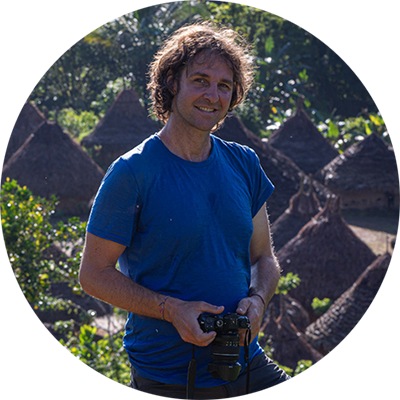
Tristan Quevilly
At the helm of Remote Expeditions, Tristan adeptly combines exploration, photography, tour design, web development, and tour leadership, encapsulating the essence of a versatile travel entrepreneur. His mission is to offer a limited number of high-quality tours each year, ensuring an unparalleled travel experience steering clear of mass tourism. He aims to guide you towards the true essence of each destination, facilitating a deep connection with both nature and yourself.
Frequently Asked Questions
To confirm your spot we request a first payment of 50% of the total trip price. The remaining 50% can be paid up to 3 months before the departure date.
We accept payments in euros and US dollars via bank transfer. Once your booking is made, we will send you all the information and details needed to make the payment.
No, anyone who loves nature is welcome. We always recommend bringing binoculars to enjoy a closer view, and if you have a camera you'll surely capture excellent images too.
You can find all the details about cancellations, refunds and booking conditions on our page: Terms and Conditions.
No. Our trips are designed both for people with experience in photography and wildlife watching and for travelers who simply enjoy nature and want to live a different experience.
The most important thing is to have interest, curiosity and a desire to enjoy the environment and the animals.
Yes. If you wish to arrive earlier or extend your stay, we can arrange additional nights of accommodation, activities and transfers. Just let us know your plans and we'll adjust the itinerary to your preferences.
Yes, of course. Many of our travelers join the expeditions on their own. Our groups usually bring together people with similar interests in wildlife, photography and nature, so the atmosphere tends to be very friendly and it's easy to connect with other travelers.
Start a conversation
Ask about this tour
Tell me what you would like to photograph, your preferred dates, and any questions about the journey.
- Flexible dates and custom itineraries available
- Response within 24 hours guaranteed
- No payment required to customize an itinerary


