
Guatemala Photography Tour | Birds, Wildlife, Nature & Mayan Culture
Overview
Guatemala unfolds in a sequence of photographic moments: first light spilling over Antigua’s colonial facades, the rhythmic eruptions of Volcán de Fuego captured at blue hour, mist-shrouded temples at Yaxha and Tikal, and the vivid textiles of highland markets. This journey balances land and people—documenting weavers, Maya models, and mask-carvers—with dedicated wildlife sessions in cloud forest and lowland jungle, where toucans, motmots, hummingbirds, and the Resplendent Quetzal reward patience. From Lake Atitlán’s volcanic rim to the Petén rainforest, the itinerary is paced for photographers who chase the best light without rushing the story.
Why I created this expedition
Antigua welcomes us with an evening walk over cobblestones. The next morning, from Cerro de la Cruz, the city sharpens in early light. A tuk-tuk rattles under the Santa Catalina Arch, and Maya models step into the frame between colonial churches and market stalls. Giant kites rise—Bariletes Gigantes—swatches of colour against the sky.
The road climbs to Acatenango. After a short 4×4 bump and a one-hour hike, camp settles below the summit. At blue hour, Volcán de Fuego breathes fire every ten minutes, each exhalation a fleeting marvel for the tripod. Dawn offers a choice: summit for the wide view or a slower roam near camp, then back to Antigua for coffee farm stillness and the city’s blue-hour quiet.
Highlands turn kaleidoscopic at Chichicastenango market—incense, fruit, and fabric. On Lake Atitlán, a boat carries us to Santiago Atitlán’s Maximon shrine and into a local home, before artisans in San Antonio Palopó gather around a loom. A flight north drops us into Petén: Yaxha’s red-hands temple frames the sunset, and the next morning, Tikal’s pyramids pierce dawn fog while howler monkeys roar and toucans arc between tree crowns.
Photographic opportunities
The range is exceptional. In Antigua, sunrise over Cerro de la Cruz, the Santa Catalina Arch framed by a tuk-tuk, and the Bariletes Gigantes in flight offer layered storytelling. Volcán de Fuego’s blue-hour eruptions demand long exposures against a darkening sky, while the volcano campsite yields rugged foregrounds. Highland markets at Chichicastenango and Sololá explode with colour—candid portraits, textile details, and the Santo Tomás Church steps. At Lake Atitlán, a sunset session with a Mayan model and the cityscape blue hour from San Antonio Palopó deliver serene light. In the lowlands, Yaxha’s red-hands temple glows at sunset; Tikal at sunrise pairs ancient stone with mist, complemented by wildlife: toucans, trogons, motmots, hummingbirds, coatis, and spider monkeys. The Resplendent Quetzal and ocellated turkey may appear in cloud forest and jungle clearings.
Who this journey is for
This itinerary will appeal to travel photographers who value cultural depth as much as landscape drama and are comfortable with a mix of early starts, boat journeys, and a single night of volcano camping. The only hike is a one-hour walk to the Acatenango campsite, graded suitable for all levels, with an optional further summit trek. No extreme fitness is required, but patience for variable mountain weather and a willingness to work around village rhythms will serve you well. Bird and wildlife enthusiasts will find accessible tropical habitats without needing advanced fieldcraft. This is a journey for those who want to photograph Guatemala’s light, people, and living heritage at a deliberate pace.
Inspiration
Expedition highlights


The journey at a glance
Following the route
The journey moves gradually through 8 distinct overnight bases.
Route shown schematically for orientation.
Itinerary
Day 1
Blue Hour in Antigua's Central Park
Antigua's central park, ringed by colonial facades and low arcades, is the setting for a blue hour photography session. As twilight settles over the plaza, the soft sky balances against the warm glow of lamps and shopfronts, giving the architecture a quiet, even light. Photographers work the square at their own pace, framing the cathedral, the fountain and the evening activity of the town. The day's transfer from Guatemala Ciudad Airport and the tour orientation leave the session as the first real encounter with Antigua. Dinner follows.


Day 2
Antigua Guatemala: Volcanoes, Colonial Streets and Maya Portraits
Photography in Antigua Guatemala moves between the city's rooflines and its colonial heart. From Cerro de la Cruz, the early light falls across Antigua and the volcanoes that ring the valley. The Santa Catalina Arch frames its yellow facade against that volcanic backdrop, while Maya models in traditional dress bring the heritage of the central streets into the frame. A relaxed walk takes in Catedral San Jose, Santa Clara, the jade museums and the city's doors and streets, ending with a typical lunch at the market.


Day 3
Birdwatching at Finca El Pilar, Antigua
Mountain trails at Finca El Pilar wind through forest above Antigua, where a morning birdwatching session follows the paths in search of the birds this area is known for, among them the Blue-throated Motmot and Band-backed Wren. In the afternoon the garden feeders draw a concentration of hummingbirds, with Garnet-throated, White-eared and Berylline among the species regularly seen. The day moves between trail and garden, followed by the return transfer to Casa Encantada.


Day 4
Antigua to Acatenango Volcano
A blue hour session at the Santa Catalina Arch opens the day, framing the historic landmark against the deep twilight sky. After a relaxed morning walk through Antigua Guatemala, a 4x4 transfer climbs toward Acatenango Volcano, followed by a comfortable one-hour hike to base camp. From this vantage point, the photography focus turns to Volcan Del Fuego, whose incandescent eruptions light the night sky. The surrounding highland habitat is known for hummingbirds such as Rivoli's and White-eared, along with the Bushy-crested Jay. Glamping at Acatenango Volcano.


Day 5
Acatenango Summit and Base Camp Sunrise, then Antigua
High on Acatenango's steep, sandy slopes, the morning is given to photography as first light reaches the volcanic ridge. Two options suit different energy levels: climb the final ridge for the panoramic summit view toward the active Volcán de Fuego, or work the rugged ground around base camp during the golden hour. The optional ridge hike rewards the effort with closer views of the neighbouring volcano. Afterwards, the transfer back to Antigua leaves the afternoon free, with lunch and dinner in the colonial town.


Day 6
Chichicastenango Market and Lake Atitlán Sunset
Chichicastenango's Sunday market fills the highland town with traders from surrounding communities, offering textiles, handicrafts and produce alongside the historic Santo Tomás Church, where Maya and Catholic rituals coexist. The colorful local cemetery may also be visited. From San Antonio Palopó, the late light falls across Lake Atitlán and the volcanoes that ring it, a setting for photographing the lake's changing tones and the ridgelines beyond. The day moves between market life and open water before returning to Tzampoc Resort.


Day 7
Artisan Textiles and Atitlan Reserve
A creative session with local artisans in San Antonio Palopo documents traditional textile weaving and ceramic craftsmanship before a tuk-tuk transfer to the Reserva Natural Atitlan. The reserve's butterfly garden, home to the blue morpho, offers a chance to practise autofocus tracking on moving subjects. Hummingbirds such as the white-eared and azure-crowned frequent the lush sanctuary, alongside painted buntings and rufous-capped warblers. An optional sunset shoot with a Mayan model in the Panajachel Keys captures cultural portraits in golden light, returning to Santa Catarina Palopo after lunch and dinner.


Day 8
Santiago Atitlán: Maximón, Market and Tz'utujil Portraits
A public boat crosses Lake Atitlán from Santa Catarina Palopó to Santiago Atitlán, a Tz'utujil Maya town on the volcano-ringed shore. A cultural visit to the Altar of Maximón observes traditional Mayan rituals and offerings to the folk saint, followed by a guided walk through Santiago Atitlán's market, where Tzutujil Maya textiles and highland commerce fill the streets. A portrait session with a Tz'utujil elder uses the village's scenery and traditional textiles as the setting for authentic photographs.


Day 9
Rostro Maya, Chuiraxamolo and San Juan La Laguna
First light over Lake Atitlán and its volcanic peaks is the reward for the climb to Rostro Maya, a ridge above Santiago Atitlán. Later, trails at Parque Chuiraxamolo in Santa Lucía Utatlán are searched for the Pink-headed Warbler, with Amethyst-throated Mountain-gems and Garnet-throated Hummingbirds among the cloud-forest birds. An afternoon walk through San Juan La Laguna follows street art and artisan cooperatives before a public boat returns across the lake, where sunset colours the volcanic landscape above Santiago Atitlán.


Day 10
Mirador Rey Tepepul and Tarrales Natural Reserve
Above the Lake Atitlán basin, the Hummingbird Trail at Mirador Rey Tepepul climbs through humid subtropical mountain forest at 1,600 metres, with views reaching from the Pacific coast to the volcanoes. Green-throated Mountain-gems and Emerald-chinned Hummingbirds work the flowering understory, while the reserve is known for the Resplendent Quetzal and Bushy-crested Jay. After lunch, a guided walk at Tarrales Nature Reserve adds Turquoise-browed Motmot and Masked Tityra, and the day closes with a night wildlife photography session among the reserve's nocturnal species.


Day 11
El Vesubio Cloud Forest, Los Tarrales Reserve
A 4x4 climb up a dirt road carries you into the El Vesubio sector of Los Tarrales, where cloud forest covers the upper slopes of the volcano between 750 and 3,500 metres. Trails here are known for high-elevation species such as Horned Guan, Azure-rumped Tanager and Pink-headed Warbler, with hummingbirds working the flowering understorey. Birding continues through the morning, then again in the afternoon lower on the reserve, where the habitat shifts toward Northern-emerald Toucanet and White-throated Magpie-Jay. The reserve holds more than 360 recorded species across its range of habitats.


Day 12
Birding Los Tarrales Nature Reserve
Guided birding through the forests of Los Tarrales Nature Reserve, on the fertile slopes of a volcano where shade-grown coffee and dense woodland meet. The reserve is known for regional endemics, among them the Horned Guan, Azure-rumped Tanager and Blue-crowned Chlorophonia, alongside Collared Aracari and Northern-emerald Toucanet. Morning and afternoon excursions follow trails through the reserve, watching mixed flocks and hummingbirds such as Wine-throated and Rivoli's move through the canopy. After lunch the route continues with a transfer to Guatemala City Airport for the flight to Flores, in the Mundo Maya region, and onward to Flores.
Day 13
Transfer to Las Guacamayas via Paso Caballos
Leaving the paved roads behind, the route crosses seasonally flooded wetlands, open savannas, cattle ranches and small rural communities toward El Tigre National Park. These varied landscapes offer birding long before the forest: wetlands and open country may hold White-tailed Kite, Snail Kite, Purple Gallinule and Northern Jacana, with kingfishers, herons and a changing cast of raptors and waterbirds adding to the day. At Paso Caballos a boat carries the group onward to Las Guacamayas Biological Station. As the Maya Biosphere Reserve deepens around you, the sense of remoteness grows, setting the stage for the wild forests ahead.
Day 14
Scarlet Macaws and Riverine Forest at El Perú
A boat transfer from Guacamaya Station reaches Playa El Venado, then a hike leads through rainforest to the El Sibal blind. The trail toward the El Perú archaeological site, one of the best birding locations in the Maya Biosphere Reserve, holds Guatemala's most important nesting population of Scarlet Macaw; collared aracaris, turquoise-browed motmots and lineated woodpeckers also inhabit the surrounding forest. The return hike and boat transfer give way to quieter birding near the lodge, where the riverine forest and edges may reveal Central American agouti, Morelet's crocodile, common green iguana or Geoffroy's spider monkey, conditions permitting.


Day 15
Nacimiento de Agua Blind
A boat transfer from Guacamayas Biological Station reaches Nacimiento de Agua, where a photo hide looks out over the water and surrounding forest. Roughly seven hours are spent waiting quietly for wildlife to appear, with soft drinks, coffee, lunch and fresh fruit on hand through the session. The hide is known for visits by king vultures, spider monkeys and peccaries, among other species, while the wider area holds Ornate and Black-and-white Hawk-Eagles, Bat and Laughing Falcons, Scarlet Macaws and Collared Aracaris. The return to Guacamayas Biological Station comes by boat.


Day 16
Tikal National Park and the San Pedro River
A boat transfer along the San Pedro River leads to Las Guacamayas Biological Station, where staff explain their conservation work in the Maya Biosphere Reserve. Later, a short birdwatching walk along the shores of El Remate, on Lago Petén Itzá, takes in the shallow water habitat favoured by waterbirds such as Northern Jacana and American Coot. An afternoon visit to Tikal National Park explores the Mayan ruins at golden hour, followed by a relaxed after-hours night tour beneath the stars, when the jungle's owls, including Black-and-white Owl, become the focus.


Day 17
Tikal Ruins and Flores Island
Towering pyramids rise from dense jungle at the Tikal Archeological Site, where a morning visit explores ancient Mayan ruins among the trees. The surrounding forest is known for its wildlife, and the park day pass allows time to photograph both the architecture and the habitat. Later, a transfer reaches Flores, a small island town on Lake Petén Itzá. A relaxed photo walk through its colorful colonial streets captures the waterfront and scenic lake views, shaping the day's quieter close before dinner.


Day 18
Yaxhá: Birds and Maya Ruins in the Maya Biosphere Reserve
Forest, wetlands and the shore of Yaxha Lagoon meet the temples and plazas of the ancient Maya site at Yaxhá, in Guatemala's Maya Biosphere Reserve. Around 150 bird species have been recorded here, among them the Ocellated Turkey, Keel-billed Toucan and Collared Aracari, with monkeys and reptiles also possible in the surrounding trees. Photography moves between the archaeological clearings and the lagoon edge, where herons, kingfishers and raptors work the water. The afternoon returns to Flores for the flight to Guatemala City.


Accommodation
Where you’ll stay


Price details
Price per person
2 people
Per person
3 to 4 people
Per person
5 to 6 people
Per person
7 to 8 people
Per person
9 to 10 people
Per person
11+ people
Per person
Prices are per person and based on twin share, unless stated otherwise.
Additional costs
Deposit
30% deposit (2,489 USD approx.)
Single supplement
1,501 USD
Available upon request and subject to availability.
What is included
Included
- Accommodation throughout the journey
- Meals indicated in the programme
- Transportation during the itinerary
- Pre-trip planning assistance
Not included
- Lunch on arrival day and departure day
- Tips
- International flights
- Travel, Medical & Cancellation insurance
- Additional drinks and meals
- Expenses not specified in the programme
- Camera equipment
Why travel with us?
Expert, trusted guides
We work with carefully selected local guides chosen for their experience, knowledge of wildlife, and ability to find unique encounters ethically and safely.
Carefully selected accommodations
We choose each accommodation to find the perfect balance between comfort, location, and access to wildlife, so you can make the most of every moment of your journey.
Schedules designed for the best light
We organize activities and outings at key times of day to take advantage of the best light conditions and increase opportunities for wildlife viewing and photography.
You’ll come home with incredible photographs
We design each expedition to maximize opportunities for observation and help you enjoy unique encounters and capture the best photographs possible in the wild.
About your guide
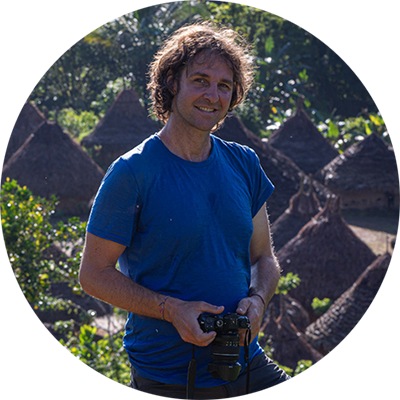
Tristan Quevilly
At the helm of Remote Expeditions, Tristan adeptly combines exploration, photography, tour design, web development, and tour leadership, encapsulating the essence of a versatile travel entrepreneur. His mission is to offer a limited number of high-quality tours each year, ensuring an unparalleled travel experience steering clear of mass tourism. He aims to guide you towards the true essence of each destination, facilitating a deep connection with both nature and yourself.
Frequently Asked Questions
To confirm your spot we request a first payment of 50% of the total trip price. The remaining 50% can be paid up to 3 months before the departure date.
We accept payments in euros and US dollars via bank transfer. Once your booking is made, we will send you all the information and details needed to make the payment.
No, anyone who loves nature is welcome. We always recommend bringing binoculars to enjoy a closer view, and if you have a camera you'll surely capture excellent images too.
You can find all the details about cancellations, refunds and booking conditions on our page: Terms and Conditions.
No. Our trips are designed both for people with experience in photography and wildlife watching and for travelers who simply enjoy nature and want to live a different experience.
The most important thing is to have interest, curiosity and a desire to enjoy the environment and the animals.
Yes. If you wish to arrive earlier or extend your stay, we can arrange additional nights of accommodation, activities and transfers. Just let us know your plans and we'll adjust the itinerary to your preferences.
Yes, of course. Many of our travelers join the expeditions on their own. Our groups usually bring together people with similar interests in wildlife, photography and nature, so the atmosphere tends to be very friendly and it's easy to connect with other travelers.
Start a conversation
Ask about this tour
Tell me what you would like to photograph, your preferred dates, and any questions about the journey.
- Flexible dates and custom itineraries available
- Response within 24 hours guaranteed
- No payment required to customize an itinerary


