
Costa Rica Birding and Photography Tour Across Osa and Savegre
Overview
This 20-day small-group birding circuit reads Costa Rica as a series of habitat shifts: Pacific dry forest at Carara and Orotina, the Osa Peninsula's primary and secondary rainforest at Danta Corcovado, the Talamanca highlands around San Gerardo de Dota, Caribbean foothill forest at Reserva El Copal, the wetlands and lagoons of Los Chiles and Caño Negro, and cloud forest at Arenal and Monteverde.
Days are built around patient field time — trails, feeders, flowering hedges and evening owling — with subjects that include Resplendent Quetzal at Paraíso Quetzal and Savegre, Great Green Macaw near Puerto Viejo, and Scaled Antpitta at Quelitales. Species remain possibilities, not guarantees.
Photographic opportunities
Across 20 days, the route moves through Pacific dry forest, Osa rainforest, Talamanca highlands, Caribbean foothills, northern wetlands, Arenal and Monteverde. Light shapes the work: early interior sessions at La Selva and Braulio Carrillo, late canopy light from Cerro Lodge's observation tower, and evening owling along the access road. Trails range from Carara's flat Laguna Meandrica to the steeper, sometimes slippery Botarrama Trail, so a macro or mid-range zoom suits forest understory while a longer lens is useful at feeders and over wetlands.
Subjects follow habitat: manakin display areas, army-ant swarms that may draw antbirds and antthrushes, flowering Heliconias and hedges where hummingbirds gather, and boats on the Tarcoles, Rio Frio and Cano Negro. Named possibilities include Resplendent Quetzal at Paraiso Quetzal and Savegre, Snowcap near El Tapir, and Great Green Macaws near Puerto Viejo. Treat all sightings as possibilities, not guarantees, and let patience and field conditions guide the frame.
Who this journey is for
This itinerary will appeal to birders who want a broad Costa Rica circuit rather than a single-lodge stay, moving through Pacific dry forest, Osa rainforest, the Talamanca highlands, Caribbean foothills, northern wetlands and cloud forest. It suits small groups comfortable with early starts, long road days, varied terrain and patient observation at feeders, trails and water. The pace is moderate, and the route is built around source-grounded species possibilities and flexible field time rather than guaranteed sightings. Those who value time spent listening, waiting and reading conditions over a fixed checklist will find it the best fit.
Highlights
- Pacific dry forest and Carara's contrasting trails, feeders, canopy viewpoints and evening owling.
- Danta Corcovado's primary and secondary forest, manakin display areas and hummingbird feeders.
- Resplendent Quetzal opportunities at Paraíso Quetzal and the Savegre highland reserve.
- Reserva El Copal foothill forest, Green Thorntail and a broad tanager search, followed by Quelitales cloud forest.
- La Selva's dawn forest interior, Bijagua's private reserves and the rare northern wetland targets around Los Chiles.
- Arenal private-reserve trails, Monteverde cloud forest and La Ensenada's dry forest and mangroves.
The journey at a glance
Following the route
The journey moves gradually through 8 distinct overnight bases.
Route shown schematically for orientation.
Itinerary
Day 1
Arrival in Alajuela and Hotel Aeropuerto
Alajuela welcomes arrivals with a short airport-area transfer to Hotel Aeropuerto, roughly five minutes from the terminal. This convenient airport hotel serves as the first stop and the final night before international departure. A generic dinner is included, allowing time to settle in after the journey. The evening centers on rest and easy access to the terminal, setting a practical tone for the start of the trip.
Day 2
Orotina Dry Forest and Cerro Lodge Birding
An early transfer from Alajuela reaches Orotina for dry-forest birding along the Ceibo-Cascajal Road, working forest, scrub and open fields for species such as Black-headed Trogon, Turquoise-browed Motmot and Long-tailed Manakin. The route continues to Cerro Lodge, where gardens, veranda feeders and grounds hosting over 200 recorded species draw hummingbirds including Green Hermit and Violet Sabrewing, with Scarlet Macaws often at the dining-room feeders late in the day. An optional Tarcoles River boat trip explores mangroves, while the observation tower offers canopy views and the access road allows evening owling.


Day 3
Parque Nacional Carara: Laguna Meandrica and Headquarters Trails
A morning walk along the flat Laguna Meandrica Trail follows the Tarcoles River through secondary forest, where species diversity is highest and specialties may include White-whiskered Puffbird, Baird's Trogon, Orange-collared Manakin and Scarlet-rumped Tanager. Ponds at the trail's end can hold roosting Boat-billed Herons. Later, the Headquarters Trail crosses primary rainforest on asphalt and boardwalk, offering habitat-restricted birds such as Streak-chested Antpitta and Riverside Wren. Between walks, meals are taken, and Cerro Lodge near Tarcoles provides gardens, feeders and an observation tower for Pacific lowland birding.
Day 4
Coastal Transfer to the Osa Peninsula and Danta Corcovado Lodge
A long coastal transfer from Cerro Lodge toward the Osa Peninsula passes through Manuel Antonio, Quepos, Dominical and Rincon, with birding stops along the way. At the Rincon River bridge, search for the scarce Yellow-billed Cotinga, with the Yellow-billed Cotinga Reserve near Danta Corcovado as an alternative setting. On arrival, bird the grounds of Danta Corcovado Lodge, five kilometres from La Palma and close to Corcovado National Park, the three-night base for forest trails and hummingbird feeders. Breakfast is included; lunch and dinner are separate.
Day 5
Danta Corcovado Forest Trails and Hummingbird Feeders
At Danta Corcovado Lodge, a three-night base on the Osa Peninsula near Corcovado National Park, the day pairs forest birding with feeder watching. A morning walk through a 30-hectare mosaic of primary and secondary forest targets species such as Rufous-winged Woodpecker, Black-hooded Antshrike, Chiriquí Foliage-gleaner, Isthmian Wren, Spot-crowned Euphonia, Black-cheeked Ant-Tanager, and manakins at display areas; Turquoise Cotinga is erratic, not promised. Later, a flexible session at the lodge feeders may bring Band-tailed Barbthroat, Stripe-throated Hermit, Purple-crowned Fairy, White-crested Coquette, Long-billed Starthroat, Garden Emerald, Violet-headed Hummingbird, Mangrove Hummingbird, and Blue-throated Goldentail. Breakfast is included; lunch and dinner are listed separately.
Day 6
La Gamba Road Birding and Jardín Botánico Wilson
A transfer from Danta Corcovado reaches the La Gamba Road, where grassland gives way to primary rainforest near Parque Nacional Piedras Blancas. The birding walk here looks for seedeaters and flycatchers, then near-endemics including Black-cheeked Ant-Tanager, with a check of the Esquinas/Tropenstation area for White-crested Coquette. Continuing to San Vito, the Jardín Botánico Wilson walk explores gardens and open woodland, searching for Turquoise Cotinga alongside wood-rails, aracaris, euphonias and hummingbirds at flowering and feeder areas.
Day 7
San Joaquín Wetlands, Cerro de la Muerte, and San Gerardo de Dota
Birding starts at the San Joaquín Wetlands, a focused stop for Chiriquí Yellowthroat. The route then climbs toward La Georgina, where high-elevation feeders draw hummingbirds such as Fiery-throated and Volcano, plus Ruddy-capped Nightingale-Thrush and Large-footed Finch. A walk along the Cerro de la Muerte antenna road targets Timberline Wren, Peg-billed Finch, Sooty-capped Chlorospingus and Volcano Junco. The journey descends into San Gerardo de Dota, ending with valley lodge feeders hosting numerous hummingbird species and an overnight at Savegre Mountain Hotel.
Day 8
Resplendent Quetzal and Savegre Forest
A focused birding walk at Paraíso Quetzal private finca opens the morning, with Resplendent Quetzal as the featured species and good viewing opportunities rather than any guarantee. Breakfast and hummingbird viewing follow at Paraiso Quetzal Lodge. Later, drive high behind the hotel for the Savegre Highland Downhill Trail, where the field list may include Spotted Wood-Quail, Barred Parakeet, Black-faced Solitaire and Flame-colored Tanager. The Savegre Mountain Hotel in the San Gerardo de Dota valley serves as the base, though Trogon Lodge or another valley lodge may substitute. Lunch and dinner are included.

Day 9
Reserva El Copal Birding and Quelitales Hummingbirds
After breakfast, a roughly three-hour transfer leads from San Gerardo de Dota to Reserva El Copal for a foothill birding walk in community-run Caribbean forest. Flowering bushes and Heliconias draw Green Thorntail, Snowcap and other hummingbirds, while edges and flocks reveal tanagers such as Flame-colored and Emerald. Lunch precedes the transfer to Hotel Quelitales, where an evening hummingbird garden session unfolds. Dinner follows, with the hotel serving as base near Quelitales and Turrialba, including a hide where Scaled Antpitta is described as reliable.

Day 10
Cloud-Forest Birding at Hotel Quelitales and Sarapiqui Lowlands
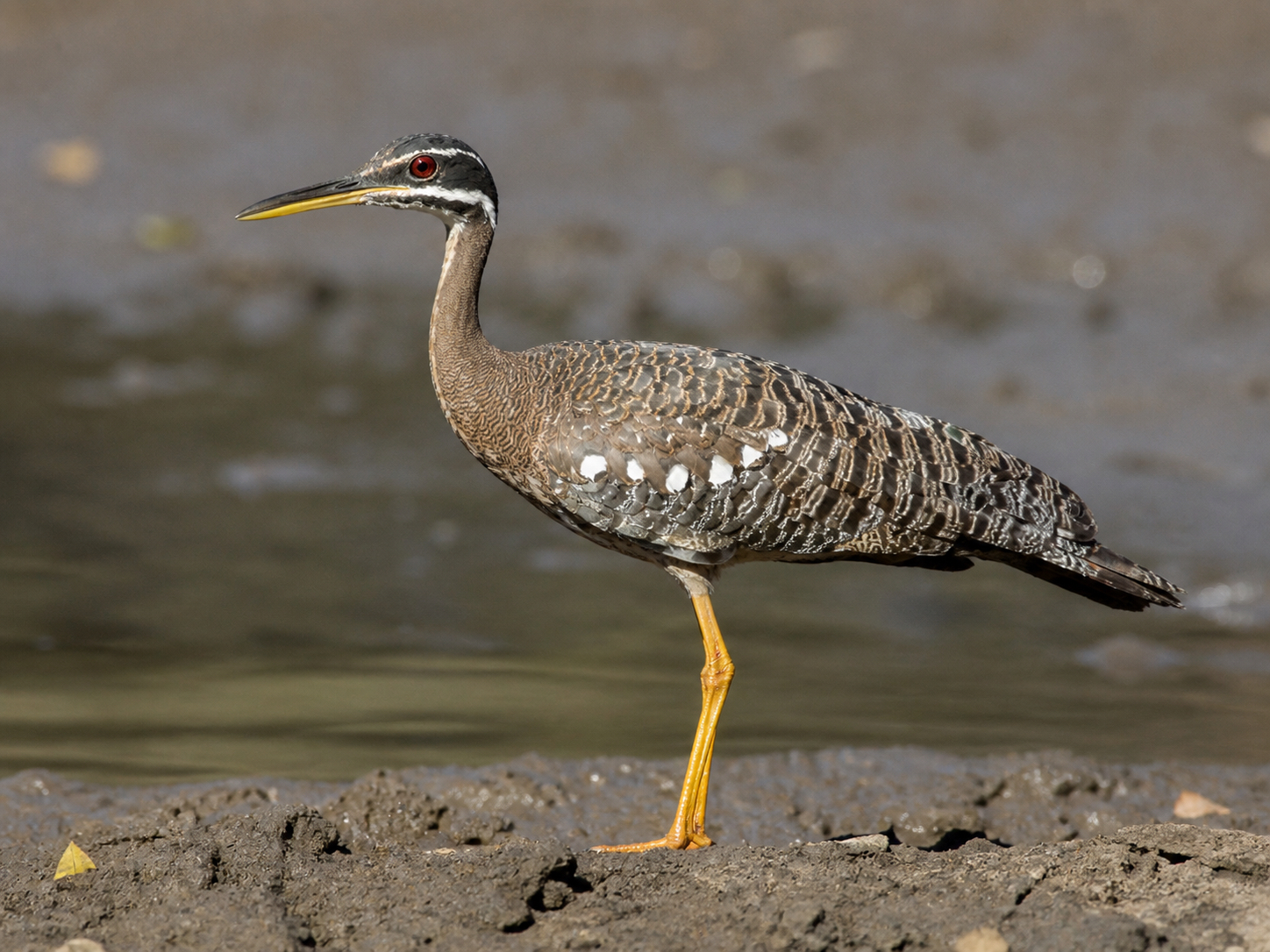
Start with a birding walk at Hotel Quelitales, where a hide offers good chances for Scaled Antpitta before exploring the cloud-forest property for Ochre-breasted Antpitta, Red-headed Barbet, Dark Pewee, Slaty-backed Nightingale-Thrush, Sooty-faced Finch and Cabanis's Ground-Sparrow. Transfer toward Sarapiqui via El Tapir Nature Reserve, working flowering beds for Snowcap and other hummingbirds, then roadside stops targeting Canebrake Wren and Gray-crowned Yellowthroat. Near Puerto Viejo, visit a site for endangered Great Green Macaw, with a conditional Sunbittern check at Selva Verde. Overnight at Hotel Ara Ambigua.


Day 11
Braulio Carrillo Rainforest Birding and Great Green Macaw Site
Start with breakfast before transferring to Quebrada González in Braulio Carrillo, where the Botarrama Rainforest Trail Birding session follows steep slopes and possible rain in pursuit of quail-doves, antbirds and ground birds, adjusting to understory flocks, canopy flocks or army-ant swarms. Continue with Las Palmas Rainforest Loop Birding at Sendero Las Palmas for canopy-flock species. After a midday pause, visit the Great Green Macaw Site near Puerto Viejo, then return to Alajuela, with overnight at Hotel Ara Ambigua.
Day 12
Birding from La Selva to Bijagua via Celeste Mountain Lodge
After breakfast, an early transfer reaches La Selva Biological Station, where birding starts along the entrance road and continues through the visitor-centre clearing into primary and secondary forest, with possible tinamous, antshrikes, woodpeckers, umbrellabirds and manakins, plus army-ant followers. A generic lunch precedes the transfer to Celeste Mountain Lodge. There, a focused Heliconia session near the entrance road targets White-tipped Sicklebill and Stripe-throated Hermit. A generic dinner follows at Celeste Mountain Lodge.

Day 13
Heliconias Reserve Birding and Tapir Valley Platforms
After breakfast, a morning transfer reaches Heliconias Lodge for a slow private-reserve birding walk, listening for antbirds and hoping an army-ant swarm draws Ocellated Antbird, with Tody Motmot also sought among guans, antwrens, manakins and wrens. Lunch precedes the transfer to Tapir Valley Nature Reserve, where three observation platforms overlook wetland, canopy and hummingbird activity before forest trails connect them. Possibilities include Great Curassow, Ornate Hawk-Eagle, trogons, motmots, toucanets, Bare-necked Umbrellabird and Lovely Cotinga. Dinner follows, then Celeste Mountain Lodge.
Day 14
Celeste Forest Birding and Los Chiles Lagoon Boat
A birding walk through Celeste Mountain Lodge's own forest starts the morning, targeting species such as White Hawk, Slaty-tailed Trogon, Tody Motmot and Rufous Piha. After lunch, the route continues from Bijagua to Los Chiles, where a boat session on Los Chiles Lagoon looks for the rare Yellow-breasted Crake and cryptic Pinnated Bittern. The day closes with dinner and an overnight stay in Los Chiles.


Day 15
Río Frío, Lago Caño Negro and Arenal Birding
A boat trip along Río Frío reaches the marshy edges of Lago Caño Negro, where Nicaragua Grackle is sought and shaded channels may reveal Green-and-Rufous Kingfisher or roosting Boat-billed Heron. A birding walk through Los Chiles follows, then a transfer toward Arenal. At Arenal Observatory Lodge, garden and flowering-hedge birding includes a dedicated Black-crested Coquette search, with Green Thorntail, Lovely Cotinga and hummingbirds noted as possibilities. Breakfast, lunch and dinner are covered; sightings are not guaranteed.


Day 16
Arenal Observatory Private Reserve Trails and Hummingbird Hedges
Breakfast leads into a full day exploring Arenal Observatory Lodge Private Reserve Trails, wandering private forest-reserve paths and lodge hedges. One route is singled out for Wrenthrush, while other prospects include Great Curassow, Smoky-brown Woodpecker, White-fronted Parrot, Russet Antshrike, Spotted Antbird, Bare-necked Umbrellabird, Black-and-yellow Tanager and Yellow-crowned Euphonia. A focused Arenal Observatory Hummingbird Hedge Session follows, where flowering hedges may yield Black-crested Coquette and Green Thorntail. Lunch and dinner are generic, and lodging at Arenal Observatory Lodge remains unconfirmed.

Day 17
La Fortuna Rails and Monteverde Canopy
An early stakeout near La Fortuna targets White-throated Crake, Uniform Crake and Gray-cowled Wood-Rail at an unnamed private reserve. The Bogarín Trail dry-forest walk then follows, with Keel-billed Motmot, Olivaceous Piculet, woodpeckers, Plain Xenops, Buff-fronted Foliage-gleaner, White-collared Manakin and Black-throated Wren among the search list. After lunch, transfer from Arenal to Monteverde. At Selvatura, montane forest and suspension bridges offer canopy views, with Three-wattled Bellbird the main target, alongside Black Guan, Buff-fronted Quail-Dove, Resplendent Quetzal, Collared Trogon, Black-banded Woodcreeper and White-eared Ground-Sparrow. Dinner precedes the overnight at Cala Lodge.
Day 18
Monteverde Cloud Forest Reserve and La Ensenada Birding
Breakfast precedes an early transfer to Reserva Biológica Bosque Nuboso Monteverde, where entrance feeders and broad, steeper trails offer chances for Buff-fronted Quail-Dove, Collared Trogon, Red-headed Barbet, Prong-billed Barbet, Blue-throated Toucanet, Costa Rican Warbler, Sooty-faced Finch and Golden-browed Chlorophonia. An afternoon feeder session returns upslope for Coppery-headed Emerald, Purple-throated Mountain-Gem, Green-crowned Brilliant, Violet Sabrewing and possibly Magenta-throated Woodstar, with White-nosed Coatimundi often present. Lunch precedes the roughly three-hour transfer to La Ensenada, with lower-elevation stops if useful. La Ensenada Dry-Lowland Birding covers dry scrub, dry forest, pasture and mangrove mosaic for Crested Bobwhite, Double-striped Thick-knee, Ferruginous Pygmy-Owl, Plain-capped Starthroat, Steely-vented Hummingbird, White-throated Magpie-Jay, Banded Wren, White-lored Gnatcatcher, Stripe-headed Sparrow, Streak-backed Oriole and Spot-breasted Oriole. Dinner follows at La Ensenada Sanctuary Lodge.


Day 19
La Ensenada Birding and Transfer to Alajuela
A final lowland morning at La Ensenada follows breakfast, with a birding walk through dry forest, scrub, pasture and mangroves. Possible sightings include Crested Bobwhite, Double-striped Thick-knee, Ferruginous Pygmy-Owl, hummingbirds, flycatchers, White-throated Magpie-Jay, Banded Wren and Spot-breasted Oriole. An optional mangrove boat trip may offer Mangrove Cuckoo, Mangrove Hummingbird and Panama Flycatcher. After lunch, transfer roughly three hours to Alajuela, staying at Hotel Aeropuerto near the terminal before international departure.
Day 20
Breakfast and Airport Transfer from Hotel Aeropuerto
A final included breakfast is served before leaving Hotel Aeropuerto for the international departure transfer. The journey takes guests from the hotel to the international airport, with the hotel typically reimbursing one taxi direction. This closing movement wraps up the Tristanphotos route and ensures a smooth exit toward outbound flights.
Accommodation
Where you’ll stay


Price details
Price per person
2 people
Per person
3 to 4 people
Per person
5 to 6 people
Per person
7 to 8 people
Per person
9 to 10 people
Per person
11+ people
Per person
Prices are per person and based on twin share, unless stated otherwise.
Additional costs
Deposit
30% deposit (3,059 USD approx.)
What is included
Included
- Accommodation throughout the journey
- Meals indicated in the programme
- Transportation during the itinerary
- Pre-trip planning assistance
Not included
- Lunch on arrival day and departure day
- Tips
- International flights
- Travel, Medical & Cancellation insurance
- Additional drinks and meals
- Expenses not specified in the programme
- Camera equipment
From past travellers
A few kind words
What a wonderful Trip !
What a wonderful trip. Tristan is such a lovely person and well organised.
We had a wonderful trip around the Sierra Nevada in Colombia, up to Camarones and even Mompox. We visited so many places and met so many great people and communities.
It was FANTASTIC.
I highly recommand Remote Expeditions and Tristan for any trip you intend to plan
Authentic and well organized expedition in an indigenous tribe
Tristan guided me through the mountains of Sierra Nevada and facilitated all the details for meeting a kogi tribe.
It was a work trip as I was working on a very specific topic ( panela) and Tristan took care of all the details and was very
understanding.
The whole experience felt very authentic, and overall Tristan is so passionate
about what he does it's hard not to have a blast during the trip.
Fantastic trip off the beaten path
Tristan is a very knowledgeable guide and photographer, and he is also very personable. Traveling with him was a very nice experience and we had lots of laughs too!
The trip was flawlessly organized and Tristan understood our needs very well, tailoring the itinerary to ensure we had the best experience possible. Thanks to him, we discovered Colombia off the beaten path.
Last but not least, I have done a number of photography trips and Tristan is probably the most dedicated teacher I have traveled with. He is really passionate about passing on his knowledge and passion about photography.
I will certainly book another trip with Remote Expeditions in the near future.
Why travel with us?
Expert, trusted guides
We work with carefully selected local guides chosen for their experience, knowledge of wildlife, and ability to find unique encounters ethically and safely.
Carefully selected accommodations
We choose each accommodation to find the perfect balance between comfort, location, and access to wildlife, so you can make the most of every moment of your journey.
Schedules designed for the best light
We organize activities and outings at key times of day to take advantage of the best light conditions and increase opportunities for wildlife viewing and photography.
You’ll come home with incredible photographs
We design each expedition to maximize opportunities for observation and help you enjoy unique encounters and capture the best photographs possible in the wild.
About your guide
Tristan Quevilly
At the helm of Remote Expeditions, Tristan adeptly combines exploration, photography, tour design, web development, and tour leadership, encapsulating the essence of a versatile travel entrepreneur. His mission is to offer a limited number of high-quality tours each year, ensuring an unparalleled travel experience steering clear of mass tourism. He aims to guide you towards the true essence of each destination, facilitating a deep connection with both nature and yourself.
Frequently Asked Questions
To confirm your spot we request a first payment of 50% of the total trip price. The remaining 50% can be paid up to 3 months before the departure date.
We accept payments in euros and US dollars via bank transfer. Once your booking is made, we will send you all the information and details needed to make the payment.
No, anyone who loves nature is welcome. We always recommend bringing binoculars to enjoy a closer view, and if you have a camera you'll surely capture excellent images too.
You can find all the details about cancellations, refunds and booking conditions on our page: Terms and Conditions.
No. Our trips are designed both for people with experience in photography and wildlife watching and for travelers who simply enjoy nature and want to live a different experience.
The most important thing is to have interest, curiosity and a desire to enjoy the environment and the animals.
Yes. If you wish to arrive earlier or extend your stay, we can arrange additional nights of accommodation, activities and transfers. Just let us know your plans and we'll adjust the itinerary to your preferences.
Yes, of course. Many of our travelers join the expeditions on their own. Our groups usually bring together people with similar interests in wildlife, photography and nature, so the atmosphere tends to be very friendly and it's easy to connect with other travelers.
Start a conversation
Ask about this tour
Tell me what you would like to photograph, your preferred dates, and any questions about the journey.
- Flexible dates and custom itineraries available
- Response within 24 hours guaranteed
- No payment required to customize an itinerary


