
Peru and Bolivia Photography Tour With Machu Picchu and Uyuni
Overview
This 19-day journey through Peru and Bolivia is built for photographers who want altitude, scale, and changing light. Begin among the Inca stones of Cusco, the Sacred Valley, and Machu Picchu, then trek the Ausangate circuit over passes at 4,800–5,200 m, past high lagoons and cordillera peaks.
The route continues to the Uros Islands on Lake Titicaca and La Paz, then to the Uyuni Salt Flats, Laguna Colorada, and the geysers and thermal baths of Los Lipez. Expect varied weather, remote camps, and long days—rewarded by landscapes that shift constantly.
Photographic opportunities
Light is the constant subject here, from the first train light through the Sacred Valley to the mirrored horizons of the Uyuni Salt Flats. At Machu Picchu, dawn departures mean the site may reveal itself slowly through cloud, so patience and a range of focal lengths serve you well. In the Sacred Valley, terraces, salt pans at Maras and the stonework of Ollantaytambo reward careful framing in soft morning or late-afternoon light.
On the Ausangate trek, expect high passes and high-altitude camping: Arapa, Extreme Ausangate, Palomani and Campa passes sit between 4,800 m and 5,200 m, with glacial lagoons along the way. The pace is demanding, so keep kit light and accessible. At Lake Titicaca, the Uros reed islands and a sunset boat trip offer quieter, human-scale scenes, while Cerro Calvario and La Paz’s hills provide elevated viewpoints.
In Bolivia, the Death Road allows photo stops, the Valley of the Moon supplies unusual rock formations, and the Salar de Uyuni invites perspective play. Laguna Colorada, Los Lipez, Sol de Mañana Geyser and Laguna Verde add colour and scale. The Cholitas Wrestlers close the journey with a singular cultural subject.
Who this journey is for
This itinerary will appeal to photographers drawn to high-mountain landscapes, Inca history and the surreal horizons of the Uyuni Salt Flats. The physical level is moderate, but the Ausangate section involves walking days of roughly five to eight hours and passes at 4,800–5,200 m, so a reasonable level of fitness and comfort at altitude are helpful. Expect an active pace with early starts, camping, 4x4 travel and long drives, balanced by free days in Cusco and La Paz. Photographers who enjoy varied subject matter—from Machu Picchu to flamingos and salt deserts—will find plenty to work with.
Highlights
- Machu Picchu: the Ancient Inca mysteries amidst clouds
- Uyuni Salt Flats: Mirrored horizons on crystalline salt.
- Ausangate Trek: Les magnifiques paysages des cordillères andines
- Uros Islands: Floating life on reed islands.
- Cusco: Cobblestone charm meets Inca legacy.
- Death Road: Thrillingly narrow path, breathtaking views.
- La Paz: Bustling high-altitude city of wonders.
- Sacred Valley: Verdant valleys cradling Inca history.
Itinerary
Day 1
Arrival in Lima
Arrival in Lima brings the first impressions of Peru's coastal capital, a sprawling city set against the Pacific. After transferring to the hotel, there is time to rest and settle in before the photography tour begins. The day is unhurried, with no activities scheduled beyond the arrival and overnight stay. Lima's coastal setting and urban edge offer a quiet introduction to the country, though no wildlife or birding is planned for this day. It is a chance to recover from travel and prepare for the days ahead.
Day 2
Flight Lima to Cusco
An early flight from Lima lifts the tour into the high Andes, where Cusco's terraced hillsides and colonial rooftops sit among the historic sites of the former Inca capital. The city itself becomes the subject: stone walls, arcaded plazas and the layered architecture of the old quarter offer plenty of material for slow, considered photography. Around the streets and squares, Andean birds such as the Rufous-collared Sparrow and Great Thrush are common, while the high altitude keeps the pace gentle and the light shifting across the valley.
Day 3
Sacred Valley of the Incas
Terraced hillsides and Inca stonework define the Sacred Valley, where the day moves between sites such as Ollantaytambo and the salt pans of Salinas de Maray. The valley's open slopes and scrub are known for hummingbirds, raptors and other Andean species moving through the terraces and ruins. Late in the afternoon, the train from Ollantaytambo runs toward Aguas Calientes, the village below Machu Picchu, with the surrounding scenery passing the windows.
Day 4
Machu Picchu
Dawn at Machu Picchu, where the citadel sits among cloud forest ridges above the Urubamba. A local guide accompanies the exploration of the terraces and temples, though the site can be unpredictable before revealing itself. Routes 1 and 2 are recommended for the finest viewpoints over the stonework and surrounding peaks. The area is known for Andean species such as the Andean condor, torrent duck and cock-of-the-rock. After the morning's photography, the return to Cusco is by train in the afternoon.
Day 5
Free Day in Cusco
Cusco's stone streets and colonial arcades offer a quieter kind of photography after a week in the field. With no fixed itinerary, the day is yours to wander at your own pace, turning your lens on the city's craft markets and the woven textiles and ceramics that carry the region's living culture. Street scenes, doorways and market displays reward a slow walk, and there is time simply to rest between frames. A free day to recover from this wonderful week and take in all these amazing adventures.
Day 6
Hiking from Cusco to Upis
The trail out of Cusco climbs into the high country around Ausangate, a landscape of open grassland and distant peaks. Five hours of walking leads to Upis, where the route passes through quiet Andean terrain and may cross paths with local communities working the land. This is the first taste of the mountain walking that defines the days ahead, with wide views opening at each rise and the campsite waiting at the end of the descent. The area is known for high-altitude birds and the hardy wildlife that shares these grasslands.
Day 7
Arapa and Extreme Ausangate Passes to Lake Ausangate
High traverses over the Arapa Pass at 4,800 m and the Extreme Ausangate Pass at 4,850 m define this stretch of the Ausangate circuit, roughly seven hours of walking on open, thin-aired ground. The route climbs steadily before dropping toward Lake Ausangate, where camp is set below the water and surrounding peaks. Andean gulls and mountain caracaras work the shoreline and ridges, with Andean flickers and giant coots among the birds this high country is known for. Light shifts quickly across the passes, and the descent to the lake closes the day.
Day 8
Palomani Pass and the Descent to Jampa
High open country above Lake Ausangate leads to the Palomani Pass, at 5,200 m the highest point of the trail. The route climbs steadily through bare Andean terrain, with the cordillera spread out in every direction and long views back over the lake. Around eight hours of walking bring a gradual descent to the Jampa camp at 4,700 m. This is high, exposed country, and the photography is mostly of scale and light on rock and snow rather than close subjects.
Day 9
Campa Pass and Pacchanta
A long day on the trail from Jampa crosses the Campa Pass at 5,100 m, a sustained ascent past a chain of high lagoons that mirror the surrounding peaks. The walking takes roughly eight hours, gaining altitude steadily before the descent to Pacchanta at 4,350 m, where camp is set. This is classic Ausangate terrain: open, quiet and demanding, with water and weather shaping the route. Photographers find the lagoons and mountain light rewarding, while the area is known for Andean waterbirds and the chance of spotting vicuña on the open slopes. Hot springs offer a way to ease tired legs at the end of the day.
Day 10
Pacchanta to Tinqui: Descent to the Trailhead
The trail descends from Pacchanta through open Andean grassland toward Tinqui at 3,900 m, a roughly three-hour walk across high country where the light shifts constantly over the ridges. This is terrain known for Andean geese, ground tyrants and the occasional Andean flicker working the open slopes. Photographers can use the descent to shoot landscape frames and any birds or wildlife encountered along the way rather than rushing the kilometres. From Tinqui, a bus ride of about four hours returns to Cusco, with a stop for a local meal en route.
Day 11
Free Morning and the Uros Islands
Begin this day with a free morning to recover from the trek, with an optional trip to Puno. Later, depart for the Uros Islands alongside a local guide, discovering the Inca culture of the legendary Lake Titicaca. The afternoon is free to relax, and you will stay on an island. A short boat trip at sunset rounds out the experience.
Day 12
Uros Islands and Destination Bolivia & Copacabana
Lake Titicaca marks the natural boundary between Peru and Bolivia, where the same cultural traditions continue across the border. A two-hour drive brings the group to the frontier, with arrival in Copacabana following lunch. The afternoon is free for independent exploration. Later, sunset from Cerro Calvario in Copacabana provides a sweeping view over the town and the surrounding landscape, closing the day with a memorable panorama.
Day 13
Journey to La Paz
The day begins with a drive of two to three hours toward La Paz. After checking in at the hotel, a city tour explores the historic center alongside an unusual guide, a Cholita. Later, sunset viewing is recommended from the city's hills, reached by cable car.
Day 14
Death Road and Valle de la Luna
Begin early for the legendary Death Road, a must-see Bolivia attraction, with photo stops along the way. Choose to ride a bike or take a 4x4; the bike tour is well supervised, and trucks no longer use the road. Pause for lunch near Coroico, a tropical mountain village. In the afternoon, continue to the Valley of the Moon, a striking site known for its unusual rock formations. Expect a range of weather conditions throughout the day.
Day 15
Salar de Uyuni (3-Day Tour)
Begin with a morning flight to Uyuni, then set off by 4x4 around 10 a.m. into the Salar de Uyuni. Along the way, stop at salt-producing villages, the Dakar Monument and Place des Drapeaux, and pause with your guide for perspective photos. Continue to Incahuasi Island, watch the sunset, and settle in for the night at a salt hotel.
Day 16
Laguna Colorada and Los Lipez
Setting off early, the journey heads into Los Lipez, with a route that brings a series of unexpected and varied stops, from lagoons and snow-capped peaks to pink flamingos and stone desert scenery. The day continues on the road until reaching Laguna Colorada in the late afternoon. The night is spent in a mountain hut.
Day 17
Los Lipez to Uyuni, Then Onward to La Paz
Begin the day with an early start to catch first light at Sol de Mañana Geyser. A 4x4 crossing over a mountain pass brings you to the Polca thermal baths, where a hot soak unfolds in a surreal landscape. Continue to Laguna Verde, then head back toward Uyuni with fresh stops such as the Valley of Rocks. Arrive in Uyuni by late afternoon, before an evening flight or night bus to La Paz, with flights subject to seasonal confirmation.
Day 18
La Paz Free Day and Cholitas Wrestling
Today in La Paz opens with a free morning, offering a chance to rest after the journey so far. Later in the afternoon comes the finale: the Bolivian Cholitas Wrestlers, described as a one-of-a-kind event worldwide. The day closes with a farewell dinner. This La Paz free day pairs quiet recovery time with an unforgettable Cholitas wrestling show and a final group meal together.
Day 19
Back Home
Today brings the journey to a close with a free morning before a transfer to the airport. After the varied experiences of the Andean adventures, this final stretch offers a quiet pause prior to departure. The route is simple: enjoy the open hours, then head to the airport for the onward flight. It is a fitting end to the itinerary, marking the transition from travel back to daily life without adding new stops or activities.
Price details
Price per person
2 people
Per person
3 to 4 people
Per person
5 to 6 people
Per person
7 to 8 people
Per person
9 to 10 people
Per person
11+ people
Per person
Prices are per person and based on twin share, unless stated otherwise.
Additional costs
Deposit
30% deposit (2,639 USD approx.)
What is included
Included
- Pre-trip planning assistance
Not included
- Tips
- International flights
- Travel, Medical & Cancellation insurance
- Additional drinks and meals
- Expenses not specified in the programme
- Camera equipment
From past travellers
A few kind words
Unveiling Beauty Through the Lens with Tristan
The Luminous Journeys “VIVA Colombia” trip was fantastic for photographic opportunities in a country that is still largely unexplored by travel photographers. Tristan was an enthusiastic leader offering insights into his creative approach to photographing Colombia, including its indigenous peoples. His patient and sensitive approach dealing with locals allowed participants learn and appreciate Colombia’s many diverse customs. There was a good balance between street & culture photography, nature/tropical birds, and landscapes.
In addition, Tristan’s willingness to help participants with the technical and artistic aspects of photography was greatly appreciated. Plus he’s just great fun! The trip was well organized and the hotels and food were superb. Overall, Viva Colombia! provided diverse photographic opportunities that would have broad appeal to photography enthusiasts looking for untrammeled travel adventure in a fascinating South American country.Highly recommended!
A Photographer’s Dream Tour with Tristan
From the very first communication Tristan was responsive and helpful, receptive to tailor making a travel and photographic experience that was exactly what I was looking for. As a passionate photographer himself, I knew I was speaking with a like-minded soul who understands the specific needs and wants of a fellow photographer.
The tour itself was brilliant. As well as being a capable and professional tour organizer, Tristan is great company and an interesting travel companion.
The special relationship he has built up over the years with the Kogui people and local guides enabled a very special opportunity to visit and photograph them, both culturally and photographically interesting, and a rare, much appreciated opportunity.
Combine this with Tristan’s ability to speak several languages fluently including the local one, and you’re onto a winner!
What a wonderful Trip !
What a wonderful trip. Tristan is such a lovely person and well organised.
We had a wonderful trip around the Sierra Nevada in Colombia, up to Camarones and even Mompox. We visited so many places and met so many great people and communities.
It was FANTASTIC.
I highly recommand Remote Expeditions and Tristan for any trip you intend to plan
Why travel with us?
Expert, trusted guides
We work with carefully selected local guides chosen for their experience, knowledge of wildlife, and ability to find unique encounters ethically and safely.
Carefully selected accommodations
We choose each accommodation to find the perfect balance between comfort, location, and access to wildlife, so you can make the most of every moment of your journey.
Schedules designed for the best light
We organize activities and outings at key times of day to take advantage of the best light conditions and increase opportunities for wildlife viewing and photography.
You’ll come home with incredible photographs
We design each expedition to maximize opportunities for observation and help you enjoy unique encounters and capture the best photographs possible in the wild.
About your guide
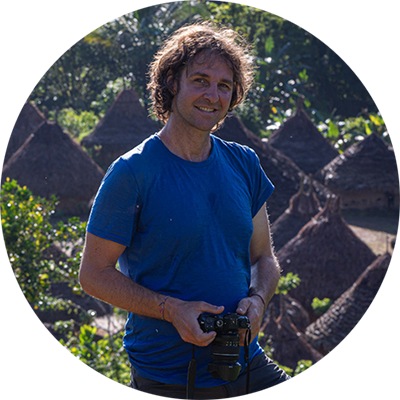
Tristan Quevilly
At the helm of Remote Expeditions, Tristan adeptly combines exploration, photography, tour design, web development, and tour leadership, encapsulating the essence of a versatile travel entrepreneur. His mission is to offer a limited number of high-quality tours each year, ensuring an unparalleled travel experience steering clear of mass tourism. He aims to guide you towards the true essence of each destination, facilitating a deep connection with both nature and yourself.
Frequently Asked Questions
To confirm your spot we request a first payment of 50% of the total trip price. The remaining 50% can be paid up to 3 months before the departure date.
We accept payments in euros and US dollars via bank transfer. Once your booking is made, we will send you all the information and details needed to make the payment.
No, anyone who loves nature is welcome. We always recommend bringing binoculars to enjoy a closer view, and if you have a camera you'll surely capture excellent images too.
You can find all the details about cancellations, refunds and booking conditions on our page: Terms and Conditions.
No. Our trips are designed both for people with experience in photography and wildlife watching and for travelers who simply enjoy nature and want to live a different experience.
The most important thing is to have interest, curiosity and a desire to enjoy the environment and the animals.
Yes. If you wish to arrive earlier or extend your stay, we can arrange additional nights of accommodation, activities and transfers. Just let us know your plans and we'll adjust the itinerary to your preferences.
Yes, of course. Many of our travelers join the expeditions on their own. Our groups usually bring together people with similar interests in wildlife, photography and nature, so the atmosphere tends to be very friendly and it's easy to connect with other travelers.
Start a conversation
Ask about this tour
Tell me what you would like to photograph, your preferred dates, and any questions about the journey.
- Flexible dates and custom itineraries available
- Response within 24 hours guaranteed
- No payment required to customize an itinerary


