
Birding Photography Tour in Colombia's Coffee Triangle and Western Andes
Overview
A slow-burn photographic journey from the mist-wrapped coffee fincas of the Eje Cafetero through the high páramo and Chocó cloud forests to the tropical wetlands surrounding Cali. Mornings begin in near-silence at antpitta feeding stations and fog-bound trails, evolving into afternoons spent with hummingbird feeders, coffee roasters, and the display perches of Andean Cock-of-the-rock. The itinerary gains its rhythm from a sequence of exceptionally bird-rich reserves — Otún Quimbaya, Río Blanco, Los Nevados, Montezuma, and La Florida — each offering a different quality of light and a distinct community of species. A full day at a working coffee farm adds texture and human scale before the final chapter at Laguna de Sonso, where Ruby-topaz Hummingbirds and wading birds gather in the last large natural wetland of the Cauca Valley.
Why I created this expedition
We begin in soft rain-light near Pereira, inside a colonial hacienda where the gardens already rustle with garden tanagers and flycatchers. The real work starts the next morning inside the clouded canopy of Otún Quimbaya. Moving at the pace of a mixed flock, we listen for the low clucking of Cauca Guan and watch for a flash of crimson as a Red-ruffed Fruitcrow crosses a gap in the leaves. The forest floor is dark, full of moss and ferns, and every few minutes the light changes, briefly illuminating a woodcreeper spiralling up a trunk.
At Río Blanco the narrative shifts: instead of searching, we wait. The antpitta feeding stations have rewritten the usual patience equation. A Brown-banded Antpitta steps out of the bamboo a metre away, moves like a soft grey ghost across the earth, and disappears. Later, hummingbirds — Long-tailed Sylph, Tourmaline Sunangel — pour through the feeders in steady, iridescent traffic. The same careful observation continues at Hacienda El Bosque where the almost mythical Equatorial Antpitta appears on cue.
Altitude changes everything. In Los Nevados we leave treeline behind and walk into a landscape of frailejones and volcanic horizons. A Buffy Helmetcrest hovers beside an alpine shrub; the encounter lasts seconds, the composition a tight balancing act between blowing mist and a tiny, brilliant subject. Dropping down into the Chocó forests of Montezuma, colour returns: Gold-ringed Tanager, Toucan Barbet, Club-winged Manakin. The final morning at La Florida, before the heat builds, a Chestnut Wood-Quail walks out from the shadows and a Little Tinamou freezes beneath a heliconia. The quiet is total, the image unforced.
Photographic opportunities
The itinerary has been tuned for the deliberate pace of nature photography rather than list-chasing. At Río Blanco and Hacienda El Bosque, managed feeding stations allow frame-filling encounters with Brown-banded, Bicolored, and Equatorial Antpittas in soft forest light. Hummingbird feeders at Termales del Ruiz, Montezuma, and La Florida attract Great Sapphirewing, Golden-breasted Puffleg, Tourmaline Sunangel, and a dozen other species, all at distances that reward careful composition and shallow depth-of-field work. The high páramo around Los Nevados offers stark landscape-backgrounds for Buffy Helmetcrest and Rainbow-bearded Thornbill in fleeting, weather-dependent moments. Along the Montezuma Road, the cloud forest’s epiphyte-laden branches provide natural perches for Gold-ringed Tanager and Black-and-gold Tanager, while a forest hide at Doña Dora puts you in front of singing Andean Cock-of-the-rock at a wild lek. The coffee farm interlude gives a different register: human hands, fermentation tanks, coffee cherries in every state of ripeness. The tour closes at Laguna de Sonso, where roosting herons and hunting kingfishers meet the warm afternoon light of the Cauca Valley.
Who this journey is for
This itinerary will appeal to bird and nature photographers who value patient, repeat encounters over rapid-listing. Days are structured around light and bird behaviour, with multiple feeder sessions and long blocks of trail time where you can wait for a single clean frame. It suits anyone comfortable with early starts, short walks on forest trails, and some time at altitudes above 3,500 metres — though the tour is rated Easy and never physically demanding. The atmosphere is unhurried: no rushing between sites, no competing for a view. If you enjoy studying the way mist filters through orchid-laden branches while waiting for a tapaculo to break cover, or prefer the slow rhythm of a coffee farm to a fast-paced itinerary, this is shaped for you.
Inspiration
Expedition highlights


The journey at a glance
Following the route
The journey moves gradually through 6 distinct overnight bases.
Route shown schematically for orientation.
Itinerary
Day 1
Pereira Arrival and Hacienda San Jose Welcome
Landing in Pereira, you are met by your guide Tristan once luggage is collected, then transferred to Hotel Hacienda San Jose. Check-in allows time to settle and relax before a first meeting covering itinerary highlights and tips for making the most of the journey. Dinner follows, and the colonial hacienda outside Pereira, surrounded by coffee farm immersion, lush gardens and a tranquil pool, serves as a peaceful base for exploring Risaralda's landscape.
Day 2
Otún Quimbaya Cloud Forest and Tinamu Bird Photography
After breakfast and hotel check-out, transfer to Otún Quimbaya Flora and Fauna Sanctuary, where a local guide leads forest trails and quiet roads in search of Cauca Guan, Red-ruffed Fruitcrow, Multicolored Tanager, Torrent Duck and mixed flocks. Following lunch, continue to Tinamu Birding and Nature Lodge for an afternoon around the feeders and forest trails, focusing on photography as light shifts. Later, transfer to Recinto del Pensamiento, check in at Estelar, relax, and have dinner.


Day 3
Rio Blanco Birding: Antpitta Feeders and Cloud Forest Trails
Breakfast precedes a morning of birdwatching at Rio Blanco's antpitta feeding stations, where a local guide leads the search for Bicolored, Chestnut-crowned, Slate-crowned and Brown-banded Antpittas, along with mixed flocks of tanagers, brushfinches and tapaculos. Lunch follows before an afternoon around hummingbird and fruit feeders, watching Long-tailed Sylph, Collared Inca, Bronzy Inca and Tourmaline Sunangel, then cloud forest trails for woodcreepers, Masked Saltator, Rusty-faced Parrot and Andean Motmot. Dinner and a stay at Estelar Recinto del Pensamiento complete the day.


Day 4
Equatorial Antpitta and High-Altitude Hummingbirds
After breakfast and checking out, transfer from Recinto del Pensamiento to Hacienda El Bosque for a morning at a managed feeding station, watching for the elusive Equatorial Antpitta plus Grey-breasted Mountain-Toucan, mountain tanagers and brushfinches. Lunch follows, then transfer to Hotel Termales Del Ruiz for check-in and a short break. The gardens' hummingbird feeders draw Great Sapphirewing, Shining Sunbeam, Golden-breasted Puffleg and Buff-winged Starfrontlet at close range, ideal for observation and photography. Dinner and an overnight stay at Hotel Termales Del Ruiz conclude the day.


Day 5
High-Altitude Birding and Thermal Soaks at Termales del Ruiz
After breakfast, head into Los Nevados National Park for páramo birdwatching from Termales del Ruiz, scanning high-altitude roads and open grasslands for the Buffy Helmetcrest, Rainbow-bearded Thornbill and Rufous-fronted Parakeet amid volcanic scenery. Later, trails near the lodge pass through elfin forest and waterfalls, where mountain tanagers, flowerpiercers, brushfinches and the elusive Tawny Antpitta may appear. Unwind afterward in the natural thermal pools, then dine and stay at Hotel Termales Del Ruiz.

Day 6
Coffee Traditions and Cloud Forest Arrival at Montezuma
After breakfast and hotel check-out, transfer from Hotel Termales Del Ruiz to Hacienda Venecia Coffee Farm Experience. A guided visit covers the plantation and processing areas, explaining how coffee is grown, harvested and transformed, with regional history and farm life shared before a tasting. Following lunch, transfer to Montezuma Rainforest Ecolodge Reserve for check-in and a break. If time allows, a relaxed birding session around the gardens, feeders and nearby forest introduces the Chocó cloud forest, where tanagers, toucans and hummingbirds may be encountered. Dinner precedes the overnight stay at Montezuma Rainforest Ecolodge Reserve.


Day 7
Montezuma High-Elevation Birding and Cloud Forest Exploration
Beginning with breakfast, the route heads before sunrise into the upper reaches of Tatamá National Park, where Montezuma Road is walked slowly through cool cloud forests in search of Gold-ringed Tanager, Black-and-gold Tanager, tapaculos, flowerpiercers and mountain tanagers. A packed lunch keeps the group in the field, followed by a picnic in nature and continued birding through the upper forest, adapting the route to sightings and mixed flocks. The day closes with dinner and the Montezuma Rainforest Ecolodge Reserve near Manizales, surrounded by Andean views.


Day 8
Birding the Montezuma Road in Tatamá National Park
Breakfast is included before exploring the mid-elevation cloud forests along the Montezuma Road in Tatamá National Park, where shifting habitats draw Chocó and Andean birdlife; walking at a relaxed pace, look for mixed canopy flocks and regional specialties including Toucan Barbet, Black-chinned Mountain Tanager and Orange-breasted Fruiteater, with a packed lunch keeping the day in the field. Later, lower elevations of Tatamá hold warmer Chocó forests and a distinct bird community, with chances for Club-winged Manakin, Beautiful Jay, Chocó Vireo, tanagers, woodcreepers and flycatchers, guided by recent sightings from the Montezuma Rainforest Ecolodge Reserve near Manizales.


Day 9
Final Birding at Montezuma and Journey to Araucana Lodge
A last morning of birding around Montezuma makes the most of any remaining target species, revisiting productive forest trails near the lodge in the Chocó Andes. After breakfast and hotel check out, the route continues from Montezuma Rainforest Ecolodge Reserve to Pueblo Rico, then on to Araucana Lodge for check in and time to settle in. Lunch and dinner round out the transfer day, with the flexible morning session offering memorable encounters before leaving the region.

Day 10
La Florida Dawn Feeders and Little Tinamou Afternoon
An early transfer from Araucana Lodge to La Florida – El Bosque de las Aves leads into dawn birdwatching at the feeders, where hummingbirds, tanagers and flowerpiercers gather in the soft light, with a chance of the resident Chestnut Wood-Quail. After lunch, the afternoon focuses on the elusive Little Tinamou and forest hummingbirds feeding among flowering plants, alongside possible woodcreepers, foliage-gleaners and antpittas. The visit closes with a return transfer to Araucana Lodge.

Day 11
Birding at Doña Dora and San Felipe
After breakfast, transfer from Araucana Lodge to Avistamiento de aves Doña Dora, a tropical garden at 1,200 m between the Western Andes and the Pacific. Walk the short, steep trail to a lek where Andean Cock of the Rock males display, watching from a rustic hide. Continue birdwatching at the Doña Dora farmhouse amid hummingbirds, then transfer to San Felipe. With a local guide, visit feeding stations and water mirrors suited to photography. Return to Araucana Lodge for dinner.


Day 12
Cloud Forest Birding at Bosque de Niebla and Buga
After breakfast and checking out of Araucana Lodge, transfer to Bosque de Niebla Birding & Nature for an early morning exploration of La Elvira's cloud forests. A garden lookout and balcony attract hummingbirds and tanagers, while a 360° observation hide and handmade forest hide offer discreet wildlife viewing along 1.5 km of internal trails. Possible observations include Golden Tanager, Red-headed Barbet, Blue-naped Chlorophonia, Orange-bellied Euphonia, Blue-winged Mountain Tanager, Golden-naped Tanager, endemic Colombian Chachalaca, Golden-headed Quetzal and White-necked Jacobin. Continue to Buga, check in at Guadalajara de Buga Hotel near the Basilica del Señor de los Milagros, then enjoy evening backup and image review.

Day 13
Laguna de Sonso Birdwatching and Transfer to Cali Airport
Birdwatching at Laguna de Sonso unfolds in Colombia's largest remaining natural wetland in the Cauca Valley, where a local guide leads exploration of trails and observation points through lagoons, reedbeds and gallery forest. The Ruby-topaz Hummingbird stands out among herons, jacanas, kingfishers, ibises and raptors, with a relaxed pace allowing time for photography. A transfer from Laguna de Sonso to Cali Airport follows, concluding with departure and a drop-off for the flight home.

Accommodation
Where you’ll stay


Price details
Price per person
2 people
Per person
3 to 4 people
Per person
5 to 6 people
Per person
7 to 8 people
Per person
9 to 10 people
Per person
11+ people
Per person
Prices are per person and based on twin share, unless stated otherwise.
Additional costs
Deposit
30% deposit (1,799 USD approx.)
What is included
Included
- Accommodation throughout the journey
- Meals indicated in the programme
- Transportation during the itinerary
- Pre-trip planning assistance
Not included
- Lunch on arrival day and departure day
- Tips
- International flights
- Travel, Medical & Cancellation insurance
- Additional drinks and meals
- Expenses not specified in the programme
- Camera equipment
From past travellers
A few kind words
What a wonderful Trip !
What a wonderful trip. Tristan is such a lovely person and well organised.
We had a wonderful trip around the Sierra Nevada in Colombia, up to Camarones and even Mompox. We visited so many places and met so many great people and communities.
It was FANTASTIC.
I highly recommand Remote Expeditions and Tristan for any trip you intend to plan
Authentic and well organized expedition in an indigenous tribe
Tristan guided me through the mountains of Sierra Nevada and facilitated all the details for meeting a kogi tribe.
It was a work trip as I was working on a very specific topic ( panela) and Tristan took care of all the details and was very
understanding.
The whole experience felt very authentic, and overall Tristan is so passionate
about what he does it's hard not to have a blast during the trip.
Fantastic trip off the beaten path
Tristan is a very knowledgeable guide and photographer, and he is also very personable. Traveling with him was a very nice experience and we had lots of laughs too!
The trip was flawlessly organized and Tristan understood our needs very well, tailoring the itinerary to ensure we had the best experience possible. Thanks to him, we discovered Colombia off the beaten path.
Last but not least, I have done a number of photography trips and Tristan is probably the most dedicated teacher I have traveled with. He is really passionate about passing on his knowledge and passion about photography.
I will certainly book another trip with Remote Expeditions in the near future.
Why travel with us?
Expert, trusted guides
We work with carefully selected local guides chosen for their experience, knowledge of wildlife, and ability to find unique encounters ethically and safely.
Carefully selected accommodations
We choose each accommodation to find the perfect balance between comfort, location, and access to wildlife, so you can make the most of every moment of your journey.
Schedules designed for the best light
We organize activities and outings at key times of day to take advantage of the best light conditions and increase opportunities for wildlife viewing and photography.
You’ll come home with incredible photographs
We design each expedition to maximize opportunities for observation and help you enjoy unique encounters and capture the best photographs possible in the wild.
About your guide
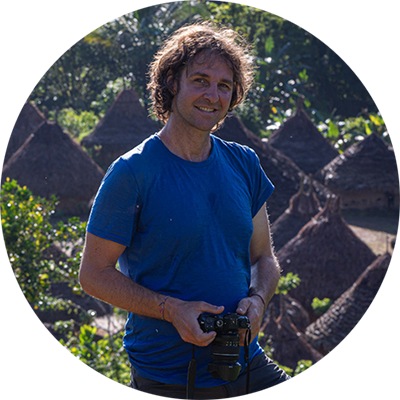
Tristan Quevilly
At the helm of Remote Expeditions, Tristan adeptly combines exploration, photography, tour design, web development, and tour leadership, encapsulating the essence of a versatile travel entrepreneur. His mission is to offer a limited number of high-quality tours each year, ensuring an unparalleled travel experience steering clear of mass tourism. He aims to guide you towards the true essence of each destination, facilitating a deep connection with both nature and yourself.
Frequently Asked Questions
To confirm your spot we request a first payment of 50% of the total trip price. The remaining 50% can be paid up to 3 months before the departure date.
We accept payments in euros and US dollars via bank transfer. Once your booking is made, we will send you all the information and details needed to make the payment.
No, anyone who loves nature is welcome. We always recommend bringing binoculars to enjoy a closer view, and if you have a camera you'll surely capture excellent images too.
You can find all the details about cancellations, refunds and booking conditions on our page: Terms and Conditions.
No. Our trips are designed both for people with experience in photography and wildlife watching and for travelers who simply enjoy nature and want to live a different experience.
The most important thing is to have interest, curiosity and a desire to enjoy the environment and the animals.
Yes. If you wish to arrive earlier or extend your stay, we can arrange additional nights of accommodation, activities and transfers. Just let us know your plans and we'll adjust the itinerary to your preferences.
Yes, of course. Many of our travelers join the expeditions on their own. Our groups usually bring together people with similar interests in wildlife, photography and nature, so the atmosphere tends to be very friendly and it's easy to connect with other travelers.
Start a conversation
Ask about this tour
Tell me what you would like to photograph, your preferred dates, and any questions about the journey.
- Flexible dates and custom itineraries available
- Response within 24 hours guaranteed
- No payment required to customize an itinerary


