
Atlantic Forest Bird Photography Tour in Brazil: Feeders, Trails, and Hides
Overview
The Atlantic Forest holds one of the planet’s highest concentrations of endemic birds, yet seeing them well often demands time, quiet, and local knowledge. This seven-day photography tour moves between two carefully chosen reserves in São Paulo state—Parque Estatal Intervales and the acclaimed Trilha dos Tucanos—where a network of forest trails, feeding stations, and hides brings species like toucans, tanagers, antbirds, and, with patience, the red-and-green macaw within reach of a lens. Days are shaped around light and bird activity: early mornings at hummingbird feeders, afternoons with mixed flocks, nights spent searching for owls and tree frogs. Throughout, the focus stays on patient observation and making images that reflect the forest’s layered character, not just its vivid colour.
Why I created this expedition
The rhythm of photography in the Atlantic Forest follows the light. At Intervales, we arrive in the late afternoon, just as the canopy cools and the first mixed flocks begin to move. The forest here is dense, old, and full of hidden birds—trogons, antbirds, and woodcreepers that rarely show themselves without a quiet wait. The first two days are spent learning this rhythm: long walks along trails where every bend might reveal a flock of tanagers or a solitary tinamou stepping onto the leaf litter. Evenings bring night walks, where torch beams pick out the orange glow of a nightjar’s eye and the forest fills with the sound of frogs and insects.
Midway through the week, we shift to Trilha dos Tucanos, a reserve that has shaped its gardens and forest edge around the needs of photographers. Here, feeding stations draw a different cast: yellow-fronted woodpeckers, aracaris, and a parade of tanagers that hover around fruit-laden perches. The pace changes subtly—now we work with light and composition, refinishing images rather than simply finding birds. Afternoons we return to the forest, searching for manakins and foliage-gleaners along quiet roads. The final evening is set aside for a backup and review session, a chance to see the week’s work in one place before the last morning session closes the loop.
By the time we leave, the forest no longer feels like a puzzle. It has become a series of familiar calls, favourite perches, and a deep respect for the time it asks of those who want to photograph it honestly.
Photographic opportunities
Photographic opportunities centre on two distinct environments. At Parque Estatal Intervales, the focus is on forest birds encountered along trails and wetlands: jacamars on low branches, perhaps the red-and-green macaw gliding across a clearing, mixed-species flocks moving through the mid-canopy. Low-light conditions under the canopy reward those who can work with wider apertures and higher ISOs, while occasional clearings offer soft, diffused morning light. Nocturnal sessions yield owls, nightjars, and frogs, testing low-light capability. At Trilha dos Tucanos, the photographic rhythm shifts to feeder setups designed for consistent, close-range shooting. Hummingbirds hover in filtered sun, toucans perch on natural-looking branches, and a diverse cast of tanagers and woodpeckers provide near-continuous action. Reflective ponds and edge habitats add variety, allowing for wider environmental compositions and behaviour shots. The flexible afternoon schedule lets photographers revisit subjects with different light or fill gaps in their portfolios.
Who this journey is for
This itinerary will appeal to bird photographers who enjoy a considered, unhurried approach to making images. The schedule mixes forest trail walks, feeder sessions, and after-dark searches, rewarding patience and an interest in the smaller details of the Atlantic Forest ecosystem. Physical demands are minimal: trails are well-maintained, the pace is slow, and most sessions are accessible from near the lodges. The close feeder setups reward those who enjoy composing detailed portraits and behaviour studies, while the forest walks offer the chance to photograph birds in more natural, layered settings. Photographers who want to spend meaningful time with their subjects rather than racing through a checklist will find the rhythm of these two reserves deeply satisfying.
Inspiration
Expedition highlights


The journey at a glance
Following the route
The journey moves gradually through 2 distinct overnight bases.
Route shown schematically for orientation.
Itinerary
Day 1
Arrival at Parque Estatal Intervales via Sao Paulo
Met at Sao Paulo airport by Tristan, then transferred to Parque Estatal Intervales. After hotel check-in and a short rest, a tour orientation covers the itinerary and initial tips. A late afternoon forest walk offers a gentle introduction to Atlantic Forest bird photography, with trogons, toucans, tanagers, and hummingbirds possible along quiet roads and trails. A welcome dinner follows before a night walk searching for owls, nightjars, tree frogs, insects, and spiders. Overnight at Pousada Pica-Pau.


Day 2
Forest Trails and Wetland Edges at Pousada Pica-Pau
Breakfast at Pousada Pica-Pau precedes a search for Atlantic Forest endemics along trails where elevation and light shift the birdlife. Mixed-species flocks moving through canopy and mid-story are a highlight, with pauses for mammals, butterflies, and orchids. Later, wetlands and forest edge habitats around ponds and clearings offer kingfishers, herons, jacamars, and flycatchers, plus reflections and softer light. A second night in the forest allows revisiting productive areas for owls, nightjars, or amphibians, complementing the daytime exploration.


Day 3
Forest Feeders and Atlantic Forest Trails
After breakfast, the first hours after sunrise are spent photographing at forest feeders, where maintained stations allow close views of elusive birds, hummingbirds, and tanagers. Later, forest trails are explored in search of Atlantic Forest endemics, following routes where birdlife shifts with elevation, vegetation, and light. Mixed-species flocks moving through the canopy and mid-story are a focus, with a flexible pace for watching behavior. Mammals, butterflies, and orchids also receive attention along the way. Lunch and dinner are available, and the stay is at Pousada Pica-Pau.


Day 4
Final Forest Birding and Transfer to Trilha dos Tucanos
An included breakfast precedes a last morning outing in the forest, where early light can bring fresh bird activity and a final chance to revisit species photographed over previous days. After checking out and transferring from Parque Estatal Intervales, lunch is followed by hotel check-in at Trilha dos Tucanos. The afternoon is spent at the reserve's renowned bird feeders, a setting known for attracting Atlantic Forest birds such as Yellow-fronted Woodpeckers, tanagers, toucans, and aracaris, offering prolonged views and photographic opportunities before dinner.


Day 5
Trilha dos Tucanos: Feeders, Forest Trails and a Night Walk
Start at the lodge feeders as morning light draws colourful tanagers, woodpeckers, euphonias and toucans. Later, walk forest trails and quiet roads around Trilha dos Tucanos, watching for mixed flocks, trogons, foliage-gleaners and manakins of the Atlantic Forest. After dinner, a night walk along dark paths reveals owls, nightjars, frogs, insects, spiders and small mammals. Breakfast is included, with lunch and dinner available.

Day 6
Trilha dos Tucanos: Final Morning Among Feeders and Forest
A final morning at Trilha dos Tucanos is split between the feeders and nearby forest, following the light and recent bird activity. This flexible time offers further chances to photograph Atlantic Forest species before moving on. After lunch, the afternoon stays open: revisit productive feeders, explore the forest, or return where shifting light brings new compositions, behaviour and portfolio gaps. An evening backup and image review follows, then a farewell dinner. The reserve remains a premier São Paulo birdwatching sanctuary, with toucans and rare species amid lush surroundings.

Day 7
Final Morning at Trilha Dos Tucanos Before São Paulo Departure
A last morning session around Trilha Dos Tucanos makes the most of soft early light, when the feeders and surrounding forest tend to stir, giving a final chance to photograph Atlantic Forest birds. Breakfast is included in the package before checking out of the lodge. A transfer then runs from Trilha dos Tucanos – Birdwatching Lodge to São Paulo, ending with an airport drop-off for the flight home.
Accommodation
Where you’ll stay


Price details
Price per person
2 people
Per person
3 to 4 people
Per person
5 to 6 people
Per person
7 to 8 people
Per person
Prices are per person and based on twin share, unless stated otherwise.
Additional costs
Deposit
30% deposit (869 USD approx.)
What is included
Included
- Accommodation throughout the journey
- Meals indicated in the programme
- Transportation during the itinerary
- Pre-trip planning assistance
Not included
- Lunch on arrival day and departure day
- Tips
- International flights
- Travel, Medical & Cancellation insurance
- Additional drinks and meals
- Expenses not specified in the programme
- Camera equipment
From past travellers
A few kind words
Unveiling Beauty Through the Lens with Tristan
The Luminous Journeys “VIVA Colombia” trip was fantastic for photographic opportunities in a country that is still largely unexplored by travel photographers. Tristan was an enthusiastic leader offering insights into his creative approach to photographing Colombia, including its indigenous peoples. His patient and sensitive approach dealing with locals allowed participants learn and appreciate Colombia’s many diverse customs. There was a good balance between street & culture photography, nature/tropical birds, and landscapes.
In addition, Tristan’s willingness to help participants with the technical and artistic aspects of photography was greatly appreciated. Plus he’s just great fun! The trip was well organized and the hotels and food were superb. Overall, Viva Colombia! provided diverse photographic opportunities that would have broad appeal to photography enthusiasts looking for untrammeled travel adventure in a fascinating South American country.Highly recommended!
A Photographer’s Dream Tour with Tristan
From the very first communication Tristan was responsive and helpful, receptive to tailor making a travel and photographic experience that was exactly what I was looking for. As a passionate photographer himself, I knew I was speaking with a like-minded soul who understands the specific needs and wants of a fellow photographer.
The tour itself was brilliant. As well as being a capable and professional tour organizer, Tristan is great company and an interesting travel companion.
The special relationship he has built up over the years with the Kogui people and local guides enabled a very special opportunity to visit and photograph them, both culturally and photographically interesting, and a rare, much appreciated opportunity.
Combine this with Tristan’s ability to speak several languages fluently including the local one, and you’re onto a winner!
What a wonderful Trip !
What a wonderful trip. Tristan is such a lovely person and well organised.
We had a wonderful trip around the Sierra Nevada in Colombia, up to Camarones and even Mompox. We visited so many places and met so many great people and communities.
It was FANTASTIC.
I highly recommand Remote Expeditions and Tristan for any trip you intend to plan
Why travel with us?
Expert, trusted guides
We work with carefully selected local guides chosen for their experience, knowledge of wildlife, and ability to find unique encounters ethically and safely.
Carefully selected accommodations
We choose each accommodation to find the perfect balance between comfort, location, and access to wildlife, so you can make the most of every moment of your journey.
Schedules designed for the best light
We organize activities and outings at key times of day to take advantage of the best light conditions and increase opportunities for wildlife viewing and photography.
You’ll come home with incredible photographs
We design each expedition to maximize opportunities for observation and help you enjoy unique encounters and capture the best photographs possible in the wild.
About your guide
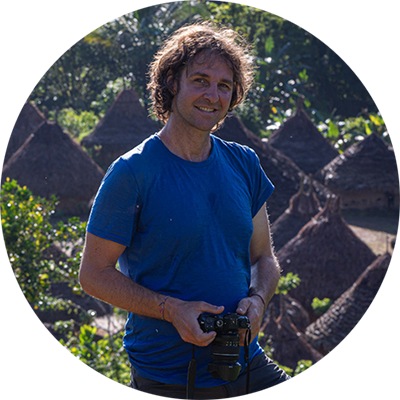
Tristan Quevilly
At the helm of Remote Expeditions, Tristan adeptly combines exploration, photography, tour design, web development, and tour leadership, encapsulating the essence of a versatile travel entrepreneur. His mission is to offer a limited number of high-quality tours each year, ensuring an unparalleled travel experience steering clear of mass tourism. He aims to guide you towards the true essence of each destination, facilitating a deep connection with both nature and yourself.
Frequently Asked Questions
To confirm your spot we request a first payment of 50% of the total trip price. The remaining 50% can be paid up to 3 months before the departure date.
We accept payments in euros and US dollars via bank transfer. Once your booking is made, we will send you all the information and details needed to make the payment.
No, anyone who loves nature is welcome. We always recommend bringing binoculars to enjoy a closer view, and if you have a camera you'll surely capture excellent images too.
You can find all the details about cancellations, refunds and booking conditions on our page: Terms and Conditions.
No. Our trips are designed both for people with experience in photography and wildlife watching and for travelers who simply enjoy nature and want to live a different experience.
The most important thing is to have interest, curiosity and a desire to enjoy the environment and the animals.
Yes. If you wish to arrive earlier or extend your stay, we can arrange additional nights of accommodation, activities and transfers. Just let us know your plans and we'll adjust the itinerary to your preferences.
Yes, of course. Many of our travelers join the expeditions on their own. Our groups usually bring together people with similar interests in wildlife, photography and nature, so the atmosphere tends to be very friendly and it's easy to connect with other travelers.
Start a conversation
Ask about this tour
Tell me what you would like to photograph, your preferred dates, and any questions about the journey.
- Flexible dates and custom itineraries available
- Response within 24 hours guaranteed
- No payment required to customize an itinerary


