Les 20 photos de La Havane à voir absolument
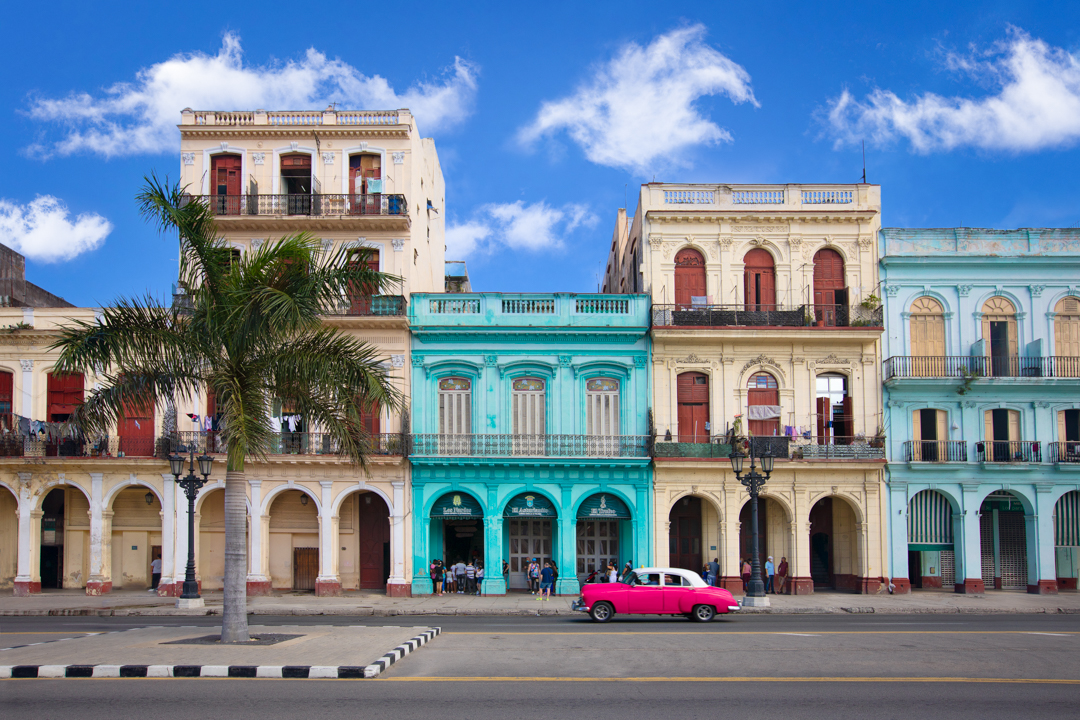
La Havane est une petite merveille que vous prendrez plaisir à découvrir. Entre les voitures mythiques, une musique et une danse omniprésentes, une architecture riche en histoire et des habitants accueillants, vous ne saurez pas où commencer. Pour vous donner un peu d’inspiration pour votre prochain voyage, voici une sélection de mes meilleures photos. Plongeons !
Photo de La Havane n°1 : Paseo del Prado
Voici l'une des avenues les plus animées de La Havane : le Paseo de Martí, également appelé Paseo del Prado, mesure 1 km de long et, comme le Malecon, n'est jamais vide. Partant de la Forteresse San Salvador de la Punta, cette belle avenue pavée et ombragée rassemble habitants, touristes et vendeurs ambulants.
Photo de La Havane n°2 : Plaza de la Revolución
1 million, c'est le nombre de personnes que la Plaza de la Revolución peut accueillir. Les jours de fête, comme le 26 juillet, jour de la révolution cubaine, les habitants de La Havane se rassemblent sur cette place pour commémorer des événements importants. La place elle-même est assez banale, mais ne manquez pas les deux immenses portraits (difficiles à manquer !) de Che Guevara et de Camilo Cienfuegos, illuminés la nuit.
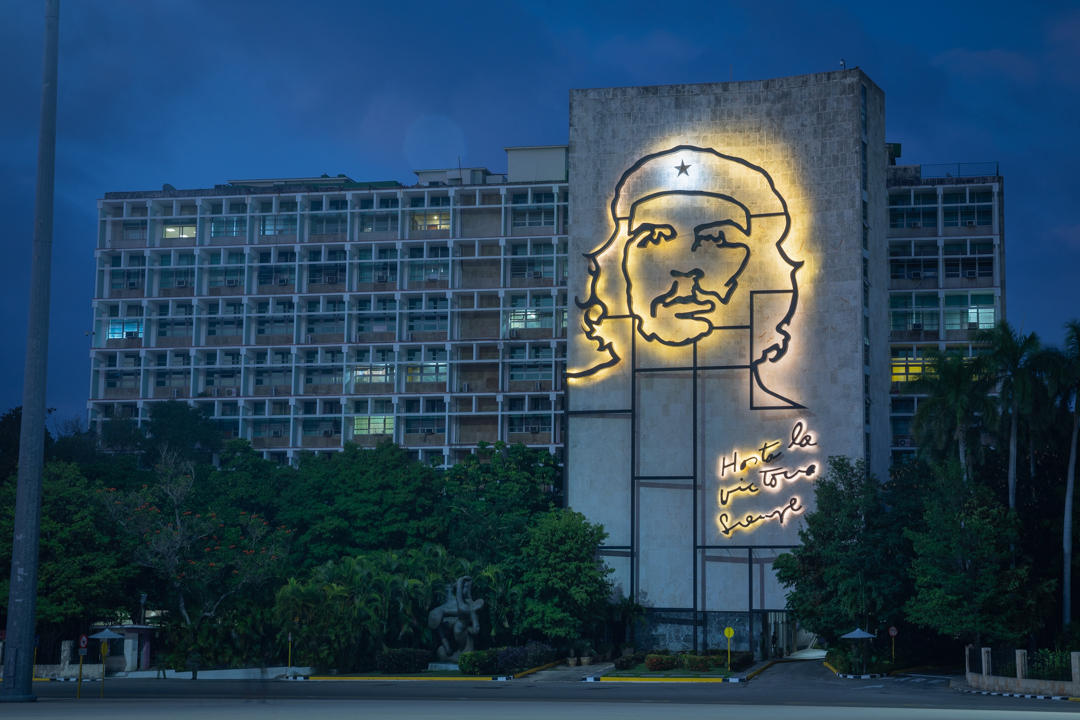
Photo de La Havane n°3 : Habaneras à la Plaza Vieja
La « Plaza Vieja » est un incontournable de la Vieille Havane. C'est une place magnifiquement rénovée avec une architecture éclectique et plusieurs restaurants et cafés. Elle est pleine de terrasses et de restaurants, ainsi que de sculptures étranges et d'une fontaine très frappante. Dans et autour de la place, il y a plusieurs belles étapes : la microbrasserie La Factoria, le musée du rhum, le musée du chocolat, le musée de la pharmacie…
Photo de La Havane n°4 : Plaza de la Catedral
Entouré de bâtiments de grande valeur : les anciens bains publics, le palais des marquis d'Aguas Claras, particulièrement beau, la maison de Lombillo, actuellement le musée de l'éducation, la maison du marquis d'Arcos, considérée comme la meilleure demeure coloniale de La Havane et le musée d'art colonial, connu pour sa collection de vitraux, dans lesquels sont représentées la vie et les coutumes de la vie coloniale cubaine.

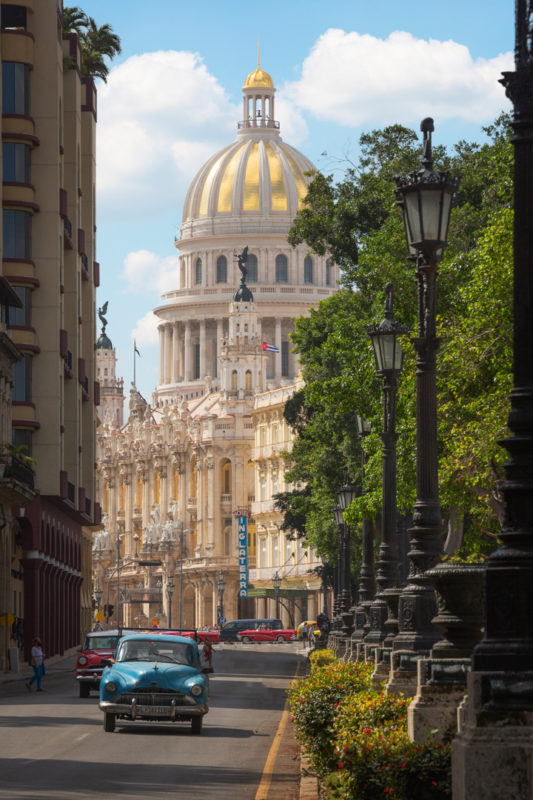
Photo de La Havane n°5 : El Capitolio
El Capitolio est un autre monument incontournable, situé sur une avenue très fréquentée qui se voit de loin. Construit sur le modèle du Capitole de Washington, il était autrefois le siège du gouvernement cubain et abrite aujourd'hui l'Académie des sciences. Très photogénique, ce bâtiment se retrouve sur un grand nombre de cartes postales du pays.
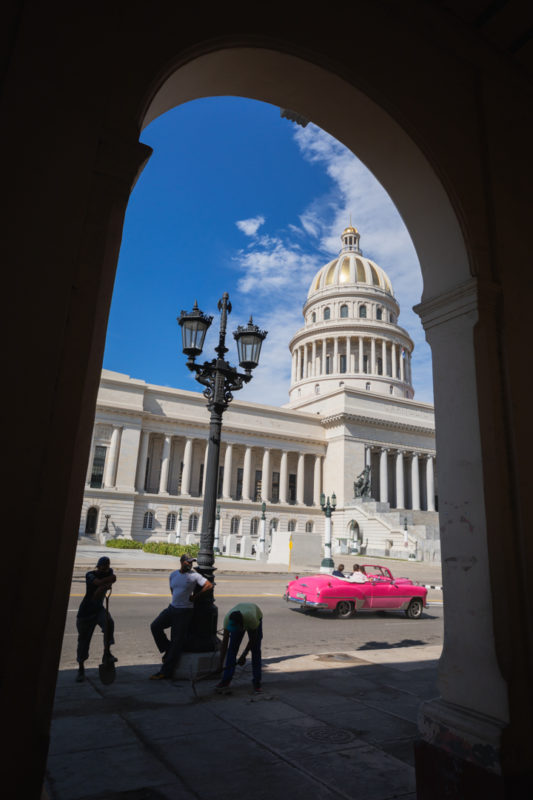
Photo de La Havane n°6 : Bodeguita del Medio
La Bodeguita del Medio est célèbre pour son mojito. Hemingway a écrit sur les murs : « Mon mojito à la Bodeguita, mon daiquiri à La Floridita ». Plein de photos et de murs écrits au stylo rappelant qui y est passé, c'est la trace du passé et du présent. Ernest Hemingway, Pablo Neruda ou Nicolás Guillén sont passés par cette petite bodega.

Photo de La Havane n°7 : Voitures américaines
Ce sont les voitures prédominantes, des Américaines de l’époque de la dictature de Batista. Aujourd’hui, beaucoup sont entièrement reconstruites, avec un éclat qui illumine les rues de La Havane.
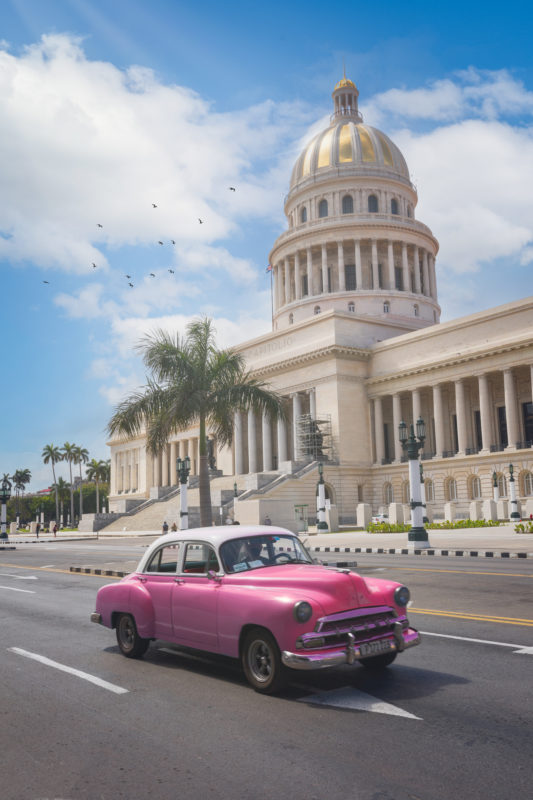
Photo de La Havane n°8 : Photo de La Havane n° Hotel Inglaterra
Avec le Ballet national de Cuba, il se distingue par sa propreté et son architecture. Il se distingue encore plus à côté du reste des bâtiments.
C’est probablement l’un des hôtels les plus chers de la ville, avec l’Hotel Nacional ou l’Habana Libre à Vedado.
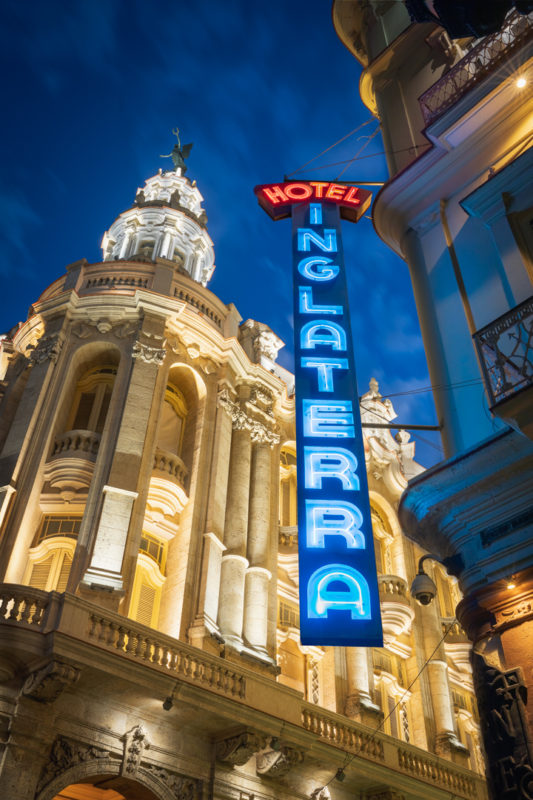
Photo de La Havane n°9 : El Floridita
Si vous voulez simplement y jeter un coup d'œil, vous pouvez opter pour un daiquiri au bar. Il est impossible de ne pas mentionner l'adresse : dans les années 1930 et 1940, une pléthore d'artistes s'y sont succédé. C'était l'endroit préféré d'Hemingway pour boire des daiquiris. Une statue rend hommage à l'écrivain.
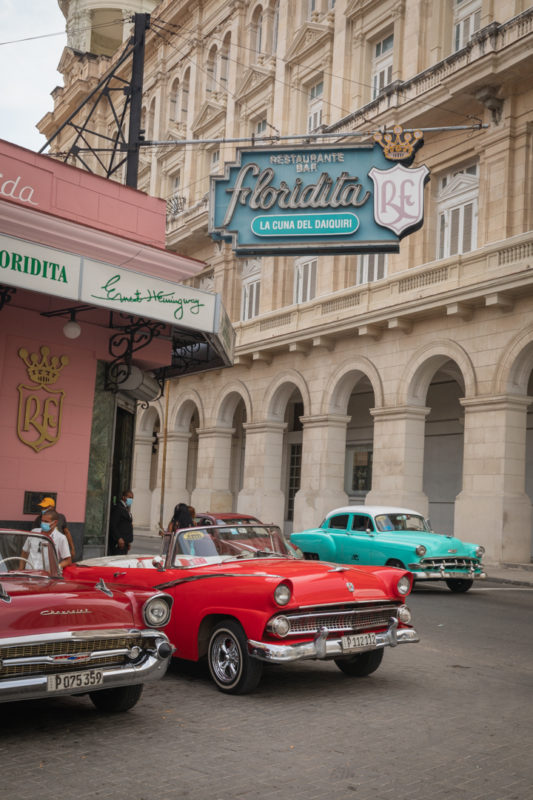
Photo de La Havane n°10 : Gran Teatro
C'est peut-être le bâtiment le plus spectaculaire de la ville, de style néo-baroque, rempli de statues en pierre. Il a été inauguré en 1834, presque deux cents ans plus tard, il éblouit le début du Paseo del Prado.
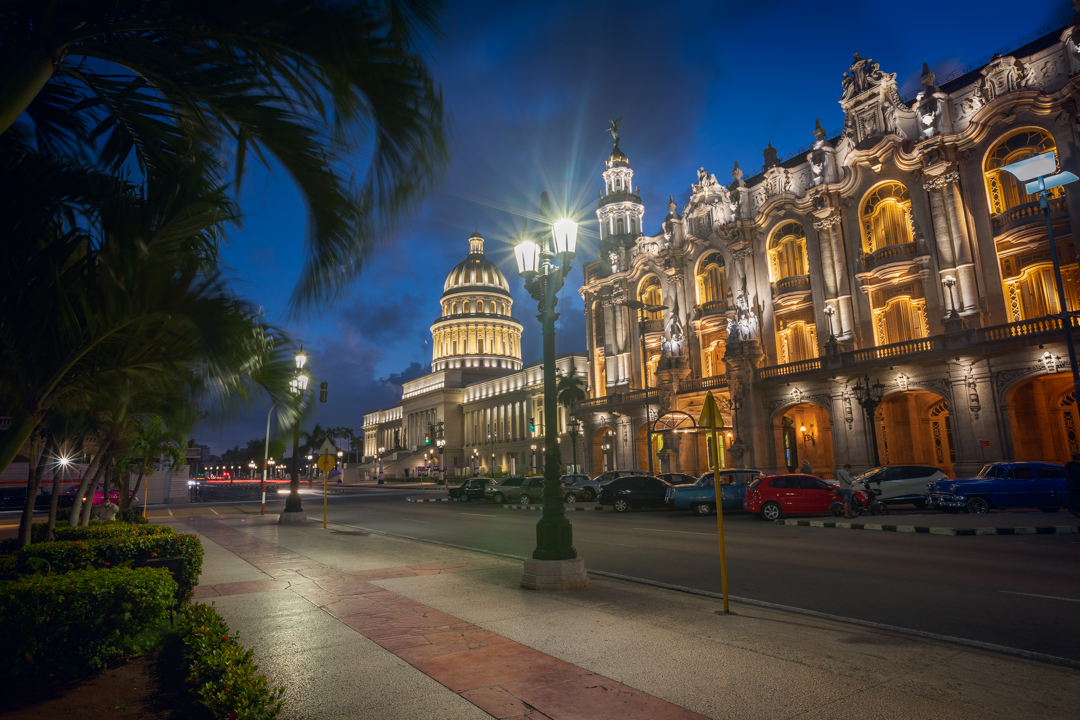
Photo de La Havane n°11 : Portrait d'un Habanero cubain

Photo de La Havane n°12 : Carnaval de La Havane
Le carnaval introduit par les Espagnols s'est imposé comme une fête nationale populaire. Intégrant les traditions africaines, tant en musique qu'en danse, il est aujourd'hui l'un des éléments centraux de l'identité culturelle cubaine.
Entre le 15 juillet et le 15 août, le Malecón de La Havane vibre chaque week-end au rythme de la musique, des danses et des défilés de chars. Les comparsas (grandes troupes populaires) s'éclatent. Le public, installé sur des gradins ou debout le long des avenues, profite du spectacle.
Une fois le défilé terminé, les spectateurs prennent le relais sur les avenues.
La bière et le rhum coulent à flots, de généreux stimulants pour la bonne humeur !

Photo de La Havane n°13 : Callejón de Hamel
Cette rue unique est le repaire d'une population pleine d'espoir, mi-artiste, mi-hippie. Toujours bondée le dimanche, cette rue est devenue un passage obligé pour les touristes, mais elle est surtout fréquentée par les locaux, qui y chantent et y dansent jusqu'à l'aube, ou s'installent pour boire un verre en terrasse pour refaire le monde.
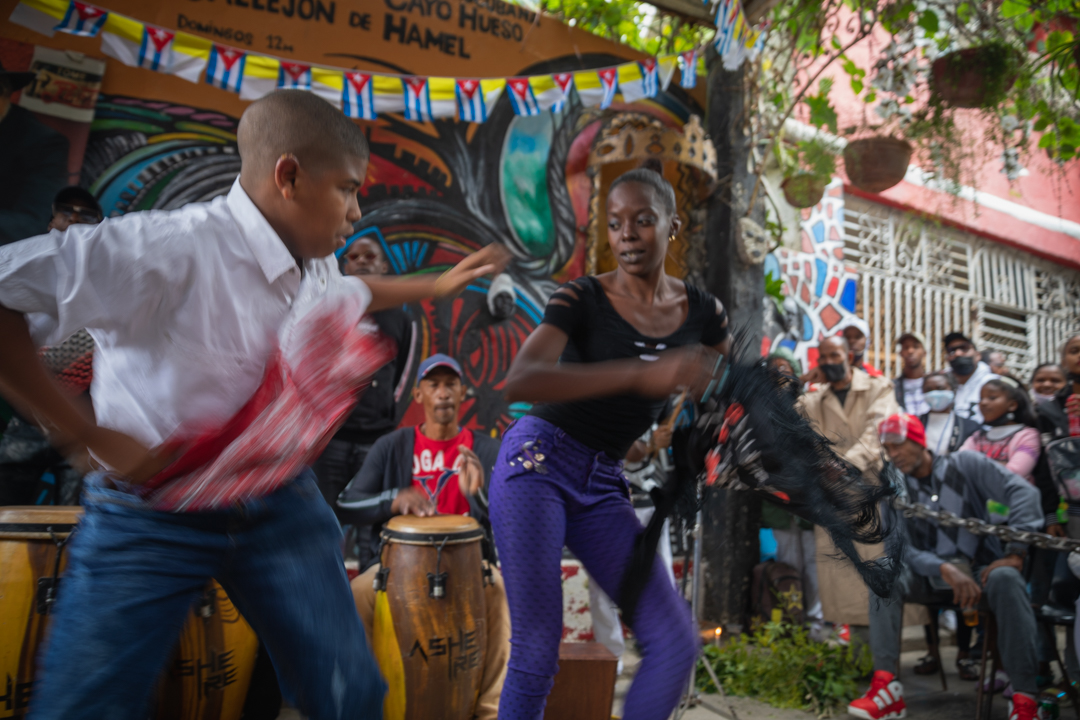
Photo de La Havane n°14 : Parque Central
Le Central Park de La Havane est un espace boisé, conçu comme une place publique, un lieu de récréation et de loisirs. En son centre se trouve la première statue de José Martí érigée à Cuba.
Situé en marge du centre historique de la capitale cubaine, dans le quartier de la Vieille Havane, entouré par les rues Paseo de Martí, Agramonte, Neptuno et San José, depuis sa création il a toujours été un lieu de rencontre pour les habitants de la ville.
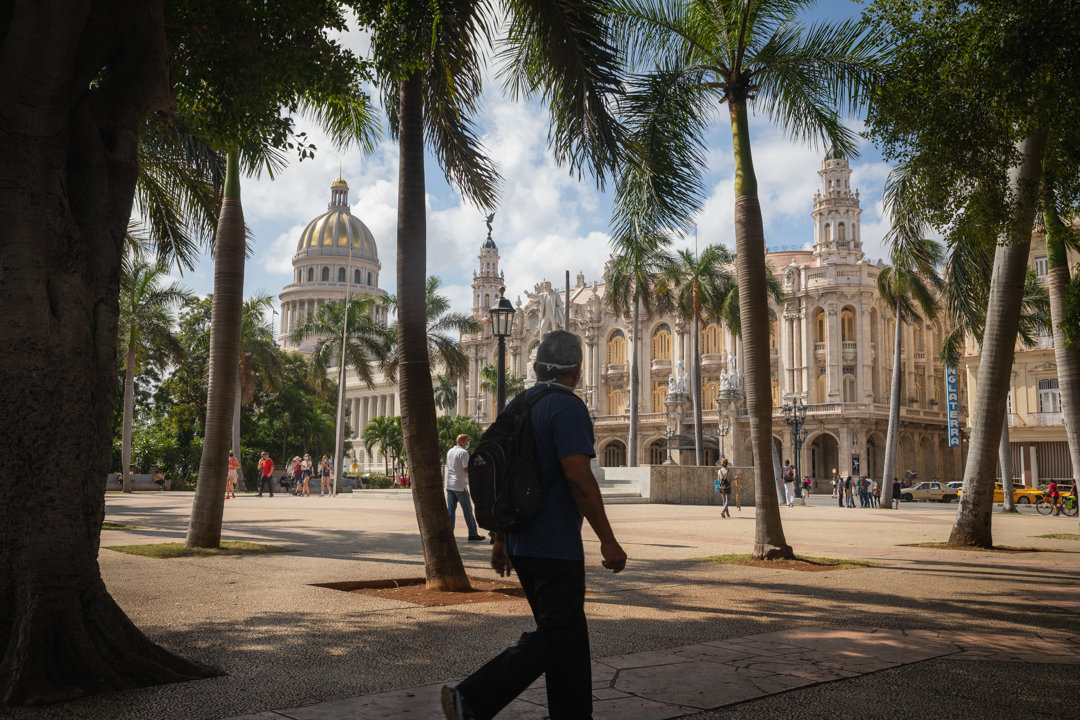
Photo de La Havane n°15 : Hotel Internacional

Photo de La Havane n°16 : El Malecón de la Habana
Le Malecón, promenade mythique au bord de la mer, est l'un des incontournables de La Havane. Long de 8 km, le front de mer s'étend au nord de la ville et relie la vieille Havane au quartier de Miramar. Quel que soit le moment de la journée ou la saison, le Malecón est toujours animé.

Photo de La Havane n°17 : Paseo del Prado
C'est l'une des avenues les plus fréquentées de La Havane : le Paseo de Martí, également appelé Paseo del Prado, mesure 1 km de long et, comme le Malecon, il n'est jamais vide.
Partant de la forteresse San Salvador de la Punta, cette belle avenue pavée et ombragée rassemble les habitants, les touristes et les vendeurs de rue. Sa promenade centrale, remplie de sculptures de lions vigilants, vous permet de regarder des deux côtés et d'admirer des bâtiments incroyables et impressionnants.
Comptez-vous voyager à Cuba ? Si c'est le cas, je vous invite à jeter un coup d'œil à mon prochain Voyage Photo à Cuba. La recette est simple : beaucoup de belles rencontres, salsa, architecture, voitures américaines et quelques mojitos pour garder la forme !
Et si vous aimez ce que vous voyez ici, ou si vous avez des questions, laissez un commentaire ci-dessous !