
Tour de Fotografía en Colombia: Aves, Vida Indígena y Pueblos Coloniales
Overview
Una ruta tranquila y sinuosa por los corazones ornitológicos de Colombia y sus rincones culturales menos transitados. Este viaje transita desde los bosques repletos de colibríes del Valle del Cauca hasta las bandadas mixtas de la Sierra Nevada, y luego desciende a la costa caribeña para ver flamencos, encuentros indígenas y la elegancia atemporal de Mompox y Cartagena. La atención fotográfica se centra en los comederos, los escondites en el bosque de niebla, los retratos pacientes con familias wiwa, kogui, arhuaco y wayuu, y la suave geometría de las calles coloniales. Nada es apresurado. El ritmo se construye en torno a la luz, la espera y esa forma de mirar que recompensa el paso más lento.
Why I created this expedition
El viaje comienza no con una lista de verificación, sino con un hábito. En los bosques nubosos cerca de Cali, la quietud matutina se rompe por el zumbido de alas en las estaciones de alimentación situadas entre los árboles. Flores en forma de copa, espejos de agua vidriados y el constante ir y venir de tángaras, mieleros y colibríes marcan los primeros días. Aquí, la fotografía significa permanecer en silencio dentro de las pequeñas y deliberadas rutinas del bosque—esperando a que un tinamú chico se deslice entre la maleza a una hora conocida, o a que un quetzal crestado se detenga en una rama desnuda en el Bosque de Niebla.
Al dejar ese corredor verde, la altitud cambia. Un vuelo hacia el norte aterriza en la Sierra Nevada de Santa Marta, donde Mundo Nuevo se asoma a laderas que combinan café, nubes y canto de aves. Las caminatas matinales siguen a bandadas mixtas, mientras que las tardes se dedican a un retrato sin prisa: una familia wiwa abre su hogar en Awindua, la cámara se asienta en una conversación, y luego el sol se oculta tras el mirador, pintando los valles en ocres estratificados. Las cascadas de Marinka permiten la disciplina más lenta de las largas exposiciones, con los mismos amigos indígenas entrando en el encuadre contra la niebla.
La llanura costera trae una paleta diferente. Los flamencos se alimentan en lagunas poco profundas al amanecer, su color intensificado por el sol naciente. En una estación de alimentación de bosque seco, un Cardenal Bermellón se posa con un rojo improbable contra el matorral espinoso apagado. Río arriba, una aldea de palafitos flota en la Ciénaga Grande, sus pasarelas de madera y casas sobre pilotes pidiendo una mirada documental, mientras una familia arhuaca en Taironaka comparte espacio entre piedras arqueológicas. Para cuando la carretera llega a Mompox, la luz se ha suavizado hasta convertirse en el ámbar de una tarde colonial: agujas de iglesias reflejadas en el Magdalena, bailarines de cumbia con sus trajes, barcas lentas cruzando lagunas al anochecer. Cartagena es la puntuación final: sombras de balcones, palenqueras en los portales de las plazas, y ese tipo de mañana en la que revisar fotos con un café parece totalmente apropiado.
Photographic opportunities
El itinerario ofrece una cuidadosa alternancia entre fauna silvestre y retrato cultural. Las estaciones de alimentación en el bosque nuboso, los espejos de agua y los escondites hechos a mano permiten una fotografía de aves precisa y en gran proximidad: colibríes, tángaras, quetzales y el esquivo tinamú chico. Las sesiones al amanecer y por la tarde están programadas para aprovechar la luz suave y difusa y la máxima actividad. El lek del gallito de las rocas andino requiere una corta caminata por el bosque hasta un escondite rústico, que recompensa con el vívido plumaje de los machos en exhibición.
En la Sierra Nevada, la observación de aves por los senderos del bosque se combina con un acceso cultural respetuoso. Una sesión privada con una familia Wiwa en su aldea y, más tarde, un día completo con una comunidad Kogui producen retratos ambientales arraigados en las tareas cotidianas: la selección de hojas de coca, la preparación de fibras y el tejido. A lo largo de la costa, las excursiones en barco al amanecer hacia las lagunas de flamencos, las tomas de cerca en los comederos del bosque seco para el cardenal bermellón y las visitas vespertinas a pueblos pesqueros como Taganga ofrecen momentos documentales. En Mompox, los bailarines profesionales de cumbia, la arquitectura colonial, los reflejos del río en la hora azul y las demostraciones de mapalé añaden una rica capa documental. Las palenqueras y las calles de Cartagena ofrecen un clásico retrato urbano bañado por la luz.
Who this journey is for
Este itinerario se desarrolla a un ritmo fácil y sin prisas, adecuado para fotógrafos que disfrutan tanto de la observación cuidadosa como de la inmersión cultural. Los paseos diarios son cortos y cómodos: los hides de aves y los comederos se acceden por senderos suaves o directamente desde el albergue. Los traslados en barco y algunos recorridos en coche más largos proporcionan pausas naturales entre sesiones. No se requiere caminata extenuante, pero es esencial un enfoque abierto y paciente para las visitas indígenas, donde establecer una relación de confianza tiene prioridad sobre disparar rápidamente. El viaje atraerá a los fotógrafos de viaje que se sienten atraídos por los ritmos más tranquilos de Colombia: aquellos que valoran las mañanas en un comedero tanto como las tardes con una familia indígena, y que encuentran una satisfacción igual en un retrato de ave bien observado, una puerta colonial o un gesto de bailarina al anochecer.
Inspiration
Expedition highlights


The journey at a glance
Following the route
The journey moves gradually through 7 distinct overnight bases.
Route shown schematically for orientation.
Itinerary
Day 1
Llegada al bosque nuboso
Se incluye un traslado desde San Felipe Birding Ecolodge al Aeropuerto de Cali, seguido de una cena relajada. El entorno de observación de aves y bienestar del lodge, ubicado en los biodiversos bosques nubosos cerca de Cali, ofrece una introducción suave y acogedora a la exuberante avifauna de la región y a su atmósfera tranquila.
Day 2
Comederos y Interiores de Bosque en San Felipe
Pase el día observando aves por los senderos de San Felipe con un guía local, visitando varios comederos. Algunos lugares cuentan con espejos de agua que capturan reflejos mientras las aves llegan a alimentarse. Busque la chara verde, el mielero verde, la tangara de cuello azul, la sílfide de cola larga y el esquivo tinamú chico en el sotobosque circundante.
Day 3
La Florida: Minueto del Amanecer y Secretos de la Tarde
Una salida temprana lleva a La Florida antes del amanecer. Los comederos atraen colibríes, tangaras y robaflores en la suave luminosidad matutina, mientras que el Chestnut Wood-Quail puede emerger del bosque. Por la tarde, una vigilia silenciosa revela el críptico Little Tinamou y una sesión más lenta con colibríes del bosque alrededor de perchas naturales.


Day 4
Bosque de Niebla y el Santuario de Colibríes
Mañana en los senderos de bosque nuboso y escondites de observación de Bosque de Niebla, donde la Tangara Dorada, el Barbudo Cabecirrojo y el Quetzal Cabecidorado se mueven a través del dosel. Más tarde, Finca Alejandría revela más de 340 especies de aves; el jardín parece una galería natural de colibríes y tángaras, ideal para primeros planos de la Tangara Multicolor.


Day 5
El Lek, el jardín y el regreso
Un sendero moderado de 700 metros conduce a un escondite con vistas a un lek de gallito de las rocas andino—un teatro de plumaje naranja intenso y llamadas rituales. El jardín tropical de Doña Dora, ubicado entre los Andes y el Pacífico, ofrece colibríes y refrescante jugo de frutas antes del viaje de regreso a San Felipe para cenar.

Day 6
Noches Estrelladas en Mundo Nuevo
Una sesión temprana de observación de aves en San Felipe precede a un traslado al Aeropuerto de Cali y un vuelo a Santa Marta. Una escarpada subida en 4×4 termina en Mundo Nuevo Ecolodge, ubicado en lo alto de la Sierra Nevada. Después de una cena vegetariana, una sesión opcional de fotografía nocturna en el mirador del albergue abre el cielo nocturno.


Day 7
Café, Retratos Indígenas y el Atardecer de la Sierra
La observación de aves antes del amanecer con un guía local busca al tucán pico iris y bandadas mixtas. Una visita a una pequeña finca cafetera revela las tradiciones de cultivo de la región. Por la tarde, una sesión de fotos privada con una familia Wiwa en Awindua produce retratos ambientales íntimos, seguida de fotografía al atardecer desde el mirador.


Day 8
Cataratas y una puesta de sol en la desembocadura del río
Un paseo en 4×4 nos lleva a las cascadas de Marinka, donde composiciones de larga exposición enmarcan el flujo del agua. Los acompañantes wiwa se unen para retratos ambientales en el entorno de roca y musgo. Más tarde, en Barlovento, donde el río Piedras se encuentra con el mar, la Sierra Nevada forma un telón de fondo dramático para imágenes al atardecer.


Day 9
Un día con la Comunidad Kogui
Viaje a Mulkwakungui (Quebrada del Sol) para ser recibidos por un cacique kogui. Pasamos tiempo sin prisas observando las tareas diarias—la preparación de la hoja de coca, el trabajo con fibra de fiqué, la cocina—, ganándonos la confianza antes de alzar la cámara. Los retratos resultantes llevan el peso de un intercambio genuino, no de una actuación.


Day 10
Río, ruinas y danza wayuu
Un paseo en bote por el río Don Diego revela aves, monos y caimanes antes de llegar a Taironaka, donde amigos arhuacos se unen para retratos en medio de terrazas arqueológicas. Por la tarde, una cacique wayuu demuestra la danza ceremonial Yona, ofreciendo una rara oportunidad de documentar esta tradición costera.


Day 11
Flamencos, cardenales y los pescadores de Taganga
Al amanecer, un pequeño bote se desliza por las lagunas del Santuario Los Flamencos mientras los flamencos americanos se alimentan. Más tarde, un puesto de alimentación en el bosque seco nos sitúa para retratos de cerca del cardenal bermellón y el colibrí leonado. Al anochecer nos encontramos en Taganga, un pueblo pesquero donde se desarrollan encuentros espontáneos con pescadores locales bajo la luz dorada.


Day 12
La aldea flotante y la hora ámbar del Magdalena
Una lancha rápida navega por la Ciénaga Grande hasta Nueva Venecia, un pueblo palafítico donde la vida diaria transcurre en pasarelas de madera. Después del almuerzo, conducimos a Mompox, una ciudad colonial declarada Patrimonio de la Humanidad por la UNESCO. Al caer el atardecer, una sesión de hora azul en la Plaza Santa Barbara capta la serena geometría de su arquitectura ribereña.


Day 13
Cumbia, Canales y Ecos Coloniales
Mañana con bailarines profesionales de Cumbia en vestuario, utilizando los rincones coloniales de Mompox como escenario natural. Un paseo en bote por la tarde a través de la Ciénaga de Pijiño revela lagunas y una vista fluvial del pueblo al atardecer. Más tarde, una demostración de Mapalé y Cumbia añade marcos culturales animados durante el aperitivo.


Day 14
Llegada a Cartagena
Camino al sur hacia Cartagena, llegando a media tarde. Después de registrarse, un paseo relajado por la ciudad amurallada captura la última luz dorada. La hora azul cae suavemente sobre balcones y cúpulas de iglesias: una introducción sin prisas a las riquezas visuales de la ciudad. La cena tiene lugar en un rincón apartado.

Day 15
Palenqueras y Calles Pintadas
Una sesión matutina en la Plaza Santo Domingo se centra en las Palenqueras, sus vestidos coloridos y su presencia serena dando lugar a retratos icónicos. Más tarde, fotografiamos la intrincada arquitectura colonial de Cartagena, y luego deambulamos por los callejones sombreados por sombrillas y los murales de Getsemaní, absorbiendo composiciones de color y vida callejera.


Day 16
Reposo matinal y partida
Una mañana libre ofrece tiempo para un desayuno tranquilo, mirar recuerdos, o una sesión de revisión de fotos y edición informal. Cuando estemos listos, un traslado nos lleva al Aeropuerto de Cartagena, cerrando el circuito con una suave sensación de cierre.


Accommodation
Where you’ll stay


Price details
Price per person
2 personas
Per person
3 a 4 personas
Per person
5 a 6 personas
Per person
7 a 8 personas
Per person
De 9 a 10 personas
Per person
11+ personas
Per person
Prices are per person and based on twin share, unless stated otherwise.
Additional costs
Deposit
30% deposit (2.849 USD approx.)
Single supplement
1.171 USD
Available upon request and subject to availability.
What is included
Included
- Alojamiento durante todo el viaje
- Comidas indicadas en el programa
- Transporte durante el itinerario
- Asistencia de planificación previa al viaje
Not included
- Almuerzo el día de llegada y el día de salida
- Propinas
- Vuelos internacionales
- Seguro de viaje, médico y de cancelación
- Bebidas y comidas adicionales
- Gastos no especificados en el programa
- Equipo de cámara
From past travellers
A few kind words
Un recorrido mágico por la Colombia desconocida
No puedo creer la suerte que tengo de haber descubierto Remote Expeditions, con Tristan como guía turístico y fotógrafo extraordinario, compartiendo su visión de Colombia con nosotros a través del lente.
Tristan es un guía increíble. Seguro, organizado, atento y experimentado. Realmente eligió lo mejor que este recorrido mayormente remoto de Colombia tiene para ofrecer. Ha construido relaciones sólidas con personas en aldeas remotas y ha encontrado formas de dar visibilidad a sus especialidades culturales. Danza, canto, comida, todo combinado para permitir grandes oportunidades fotográficas.
En la tierra de Gabriel García Márquez, puedes sentir la energía, experimentar la cultura y llevar a casa fotografías increíbles que capturan los momentos.
Si Colombia está en tu lista de deseos fotográficos, Tristan es tu guía. Lo recomiendo a él y su recorrido bellamente curado, sin dudarlo.
Nuestro segundo viaje inolvidable con Tristan
Nuestro segundo viaje a medida con mi marido y nuestro amigo Tristan, ¡quien siempre sabe cómo hacer que el viaje sea agradable con su enfoque sencillo y su propio toque especial que añade ese pequeño algo extra!
Tristan es muy tranquilo, alegre y siempre comprensivo con nuestras expectativas.
Nuestro primer viaje a la Patagonia fue excepcional, y ahora en septiembre vamos de viaje a Madeira, que será completamente diferente pero también muy agradable.
Gracias, Tristan.
Las cosas buenas vienen de tres en tres 😉
Magnífico viaje
Viaje magnífico, Tristan conoce perfectamente Colombia, nos hizo vivir una experiencia durante 1 mes. Nunca habíamos recurrido a un guía, resulta que es muy relajante no tener que pensar en nada durante el viaje; Tristan nos compartió su pasión por la fotografía. Un viaje único con una persona excepcional.
¿Por qué viajar con nosotros?
Guías expertos y de confianza
Trabajamos con guías locales cuidadosamente seleccionados por su experiencia, conocimiento de la vida silvestre y capacidad para encontrar encuentros únicos de manera ética y segura.
Alojamientos cuidadosamente seleccionados
Elegimos cada alojamiento para encontrar el equilibrio perfecto entre comodidad, ubicación y acceso a la vida silvestre, para que puedas aprovechar al máximo cada momento de tu viaje.
Horarios diseñados para la mejor luz
Organizamos actividades y salidas en momentos clave del día para aprovechar las mejores condiciones de luz y aumentar las oportunidades de observar la vida silvestre y tomar fotografías.
Volverás a casa con fotografías increíbles.
Diseñamos cada expedición para maximizar las oportunidades de observación y ayudarle a disfrutar de encuentros únicos y capturar las mejores fotografías posibles en la naturaleza.
Acerca de tu guía
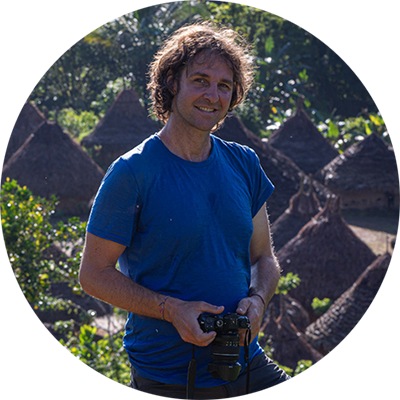
Tristan Quevilly
Al frente de Remote Expeditions, Tristan combina hábilmente exploración, fotografía, diseño de tours, desarrollo web y liderazgo de tours, encapsulando la esencia de un emprendedor de viajes versátil. Su misión es ofrecer un número limitado de tours de alta calidad cada año, garantizando una experiencia de viaje inigualable que evite el turismo masivo. Su objetivo es guiarte hacia la esencia verdadera de cada destino, facilitando una conexión profunda tanto con la naturaleza como contigo mismo.
Preguntas frecuentes
Para confirmar tu plaza, solicitamos un primer pago del 50% del precio total del viaje. El 50% restante puede pagarse hasta 3 meses antes de la fecha de salida.
Aceptamos pagos en euros y dólares estadounidenses mediante transferencia bancaria. Una vez realizada su reserva, le enviaremos toda la información y los detalles necesarios para realizar el pago.
No, cualquier persona que ame la naturaleza es bienvenida. Siempre recomendamos traer binoculares para disfrutar de una vista más cercana, y si tienes una cámara, seguramente capturarás imágenes excelentes también.
Puedes encontrar todos los detalles sobre cancelaciones, reembolsos y condiciones de reserva en nuestra página: Términos y Condiciones.
No. Nuestros viajes están diseñados tanto para personas con experiencia en fotografía y observación de vida silvestre como para viajeros que simplemente disfrutan de la naturaleza y quieren vivir una experiencia diferente.
Lo más importante es tener interés, curiosidad y un deseo de disfrutar del medio ambiente y de los animales.
Sí. Si desea llegar antes o prolongar su estancia, podemos organizar noches adicionales de alojamiento, actividades y traslados. Solo tiene que comunicarnos sus planes y ajustaremos el itinerario a sus preferencias.
Sí, por supuesto. Muchos de nuestros viajeros se unen a las expediciones por su cuenta. Nuestros grupos suelen reunir a personas con intereses similares en la vida silvestre, la fotografía y la naturaleza, por lo que el ambiente tiende a ser muy amigable y es fácil conectar con otros viajeros.
Start a conversation
Ask about this tour
Tell me what you would like to photograph, your preferred dates, and any questions about the journey.
- Fechas flexibles e itinerarios personalizados disponibles
- Respuesta garantizada en 24 horas
- No se requiere pago para personalizar un itinerario


